Last updated November 18, 2026







Free written scope consultation - allowances, timeline, and change-order rules on paper before a single trade is scheduled
General Contractor Maintenance Checklist for Kendall Homeowners
Most maintenance checklists are built for anywhere: caulk a window, clean a gutter, change a filter. That advice assumes the house will fail the way houses fail in Ohio. In Kendall, houses fail differently. Concrete block construction, salt air moving in off the coast, nine months of humidity, and a sun that bleaches a west-facing wall by mid-afternoon all push wear on a different schedule. A CBS home built in Kendall in 1988 is, statistically, overdue for exterior stucco attention right now, and most owners have never been told stucco has a service life at all. This guide walks through what a licensed contractor actually inspects, why it matters in this climate, and what to ask for in writing.
Quick Answer
A contractor’s maintenance visit for a Kendall home should focus on four things above all others: stucco and exterior wall condition, roof-to-wall flashing at the HVHZ-rated roof system, wood rot at thresholds and soffits driven by humidity, and underground plumbing behavior in clay-heavy soil. Cosmetic touch-ups matter, but water intrusion at these four points is what turns a small repair into a structural bill.
Styles & brands we work with
- Kitchen remodeling
- Bathroom remodeling
- Home additions & ADU
- Roofing
- Windows & doors
- Driveway & pavers
- Fence
Table of Contents
- Why Stucco Needs Its Own Inspection Schedule in Kendall
- Roof-to-Wall Flashing and What an HVHZ Roof Really Demands
- Humidity and the Wood Rot Most Kendall Owners Miss
- Plumbing and Drain Checks in Kendall’s Clay-Heavy Soil
- A Seasonal Maintenance Calendar for South Florida
- What a Written Maintenance Visit Should Document
- What You Can Check Yourself and What You Shouldn’t
- Common Mistakes to Avoid
Why Stucco Needs Its Own Inspection Schedule in Kendall
Stucco over concrete block is a hard, three-coat system when it’s applied correctly, and it holds up for decades. But “decades” is not “forever.” In Kendall’s UV load, the acrylic finish coat that gives stucco its color and its first line of water resistance starts breaking down in roughly 12 to 18 years. Once that finish coat chalks or crazes, water can wick into the cement base coat. Concrete block doesn’t rot, so the failure shows up somewhere else: at the interior paint near the baseboard, at the drywall behind a bathroom vanity, or at the anchor points of a lanai screen frame.
Crack patterns tell you almost everything. In CBS construction, there are two you need to learn to tell apart.
- Hairline cracks (less than about 1/16 inch, tightly closed, wandering in no particular direction) are usually cosmetic or seasonal. They follow the finish coat, not the block.
- Step cracks (stair-stepped, following the mortar joints between block courses) are different. They follow the path of least resistance in the masonry, which means they’re often the visible echo of foundation movement, a roofline load, or a window or door corner taking stress.
- Diagonal cracks from a corner that run more than a few feet and widen at one end deserve a walk-through from a professional, not a tube of sealant.
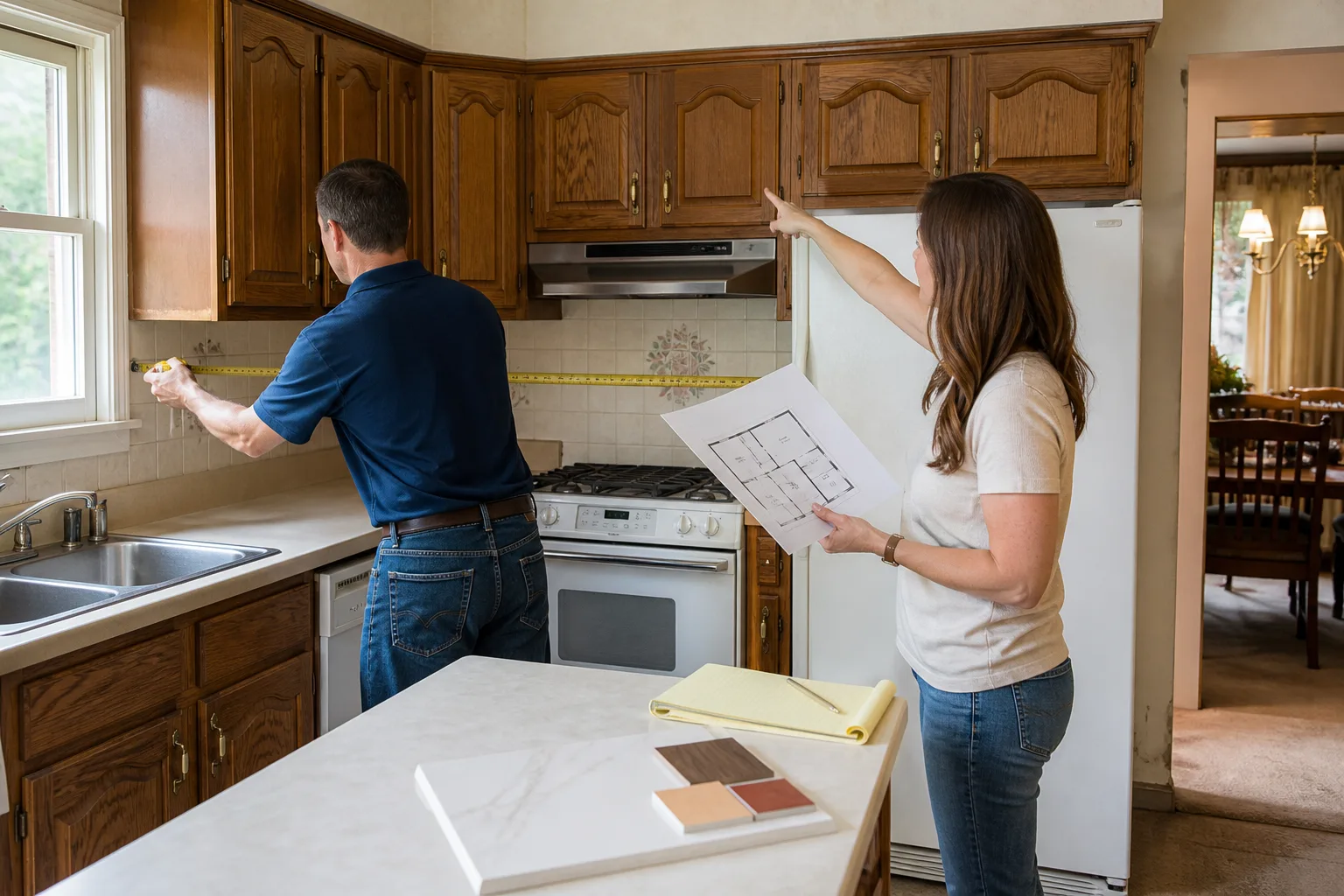
For a Kendall home of 1980s or 1990s vintage, plan on a full stucco inspection every 8 to 10 years, with a finish recoat at roughly 15. When the finish coat is being renewed, that’s also the moment to look at the wall assembly behind it. If you’re planning a larger exterior refresh or a kitchen remodel Kendall homeowners ask about around the same time, a general contractor can sequence the two so the wall work isn’t undone by later penetrations.
Roof-to-Wall Flashing and What an HVHZ Roof Really Demands
Kendall sits inside Florida’s High Velocity Hurricane Zone, and that means every roof on a home here was permitted, inspected and installed to a stricter standard than roofs in most of the country. What that standard doesn’t do is eliminate wear. It changes where a roof fails first.
Contractors working in HVHZ areas see the same pattern: the roof field itself often holds longer than homeowners expect, but the junctions – especially where the roof plane meets a wall, a chimney, a parapet, or the top of a second-story addition – are where leaks start. That’s because flashing at these points is a metal or membrane detail that relies on sealant and mechanical fastening, and both degrade faster than the shingle or tile field.
Here’s what a contractor looks for on a roof inspection beyond shingle condition:
- Lifted or punched-through flashing at wall bases – the metal should sit tight against the wall cladding or stucco with no visible gap.
- Sealant life – flashing sealants in Kendall typically need reapplication every 5 to 7 years. If the sealant has pulled, the flashing isn’t doing its job even if the metal is intact.
- Rusted fasteners and drip-edge corrosion – salt air accelerates both, especially on homes east of the turnpike.
- Granule loss on shingles near west-facing slopes – sun exposure on a west roof here is more punishing than a full roof in a milder climate.
- Attic-side staining under the flashing line – a flashlight in the attic during a maintenance visit tells you more about what a roof is doing than a roof inspection alone.
If a roofer quotes you a full replacement before the flashing has been examined, ask why. In our experience, a flashing repair at a fraction of the cost often buys several more years on a roof that’s still serviceable.
Humidity and the Wood Rot Most Kendall Owners Miss
Kendall’s humidity doesn’t just make the air feel thick. It maintains wood at a moisture content high enough that rot fungi stay viable year-round. In drier climates, wood dries out between wet seasons and rot stalls. Here, it doesn’t. That means the wood in your home can be well painted, well maintained, and still rotting quietly where paint can’t reach.
The three failure points contractors find most often in Kendall homes:
- Exterior door thresholds – the bottom of the door frame, particularly on the south and east sides of a home, takes rain splash and sits in shade. If the threshold sill has a wood core or if the jamb legs are wood rather than composite, the bottom 6 inches of the jamb is the first to soften.
- Window sills and sills below vinyl frames – even newer windows with vinyl frames often come with wood sill supports or wood blocking behind the trim. Water wicks in at the sill, stays, and rots the framing.
- Soffit boards – plywood or hardboard soffit in the shade of the eave stays damp longer than any other exterior wood on the house. It’s also the hardest to inspect, which is why it’s the last thing most owners think about.
What to do: during your written maintenance visit, ask specifically for a probe check at thresholds, sills and soffit boards. A contractor uses an awl or a small pick to test softness in inconspicuous spots. That ten-second probe finds rot that paint and caulk have been covering for years, and it’s the difference between a $200 trim repair now and a rebuild later.
Plumbing and Drain Checks in Kendall’s Clay-Heavy Soil
Most of Kendall sits on a soil profile that includes a heavy clay component in the near surface layer. Clay expands when wet and contracts when dry. In a South Florida cycle of downpours followed by dry weeks, that expansion and contraction works on underground plumbing lines the way a slow, patient hand works a wire. It’s the reason old cast-iron or orangeburg drain lines in older Kendall neighborhoods fail earlier and more often than the age of the pipe alone would suggest.
The plumbing check points that should be part of any annual maintenance visit:
- Water pressure at the hose bib – anything above about 80 psi puts extra stress on supply lines and fixtures. A simple gauge test tells you where you stand.
- Toilet and shutoff valve condition – the shutoff valve under each sink and toilet should turn without forcing. If it doesn’t, that’s a future flood waiting for the day you need it.
- Drain flow check at the lowest fixture – slow drains at the lowest point in the house often signal a main line issue, not a localized clog.
- Water heater flush and anode rod – in hard water areas, sediment can reduce heater life by a third. An annual flush and an anode rod inspection at year 5 to 6 is worth the small cost.
- Cleanout access – confirm the exterior cleanout is accessible and not buried under mulch or a paver. If a line fails, access is the difference between a camera inspection and a hand dig.
Underground plumbing is the one item on this list we strongly recommend having a licensed plumber review rather than a handyman. A camera inspection of the main line costs less than a repair, and it catches clay-soil pipe problems before they back up into the house. If you’re already planning a bathroom remodel Kendall owners often schedule near a plumbing milestone, that’s a smart time to scope the underground lines while the floor is open.
A Seasonal Maintenance Calendar for South Florida
The four-season calendar that comes with most maintenance advice doesn’t apply here. Kendall has wet season (roughly May through October) and dry season (November through April), and the failure risks shift with each. A home maintenance checklist Kendall homeowners can actually follow looks more like this:
- Early dry season (November): Stucco inspection after the wet season, roof-to-wall flashing review, exterior paint assessment, window and door seal check.
- Mid dry season (January – February): Wood probe check at thresholds, sills and soffits. Now is the cheapest time to spot rot because it’s dry and easier to repair and paint.
- Late dry season (March – April): Plumbing and drain review, water heater flush, attic check before the heat sets in, screen enclosure hardware.
- Early wet season (May – June): Roof and gutter clearing before the first big rain, drainage grading check around the foundation, exterior caulk refresh.
- Mid wet season (July – September): Interior moisture monitoring, bathroom fan and vent function, dehumidifier performance if you run one.
Following that rhythm rather than a generic seasonal list is the single biggest thing you can do to keep a Kendall home ahead of the water.
What a Written Maintenance Visit Should Document
A verbal walk-through is a conversation. A written maintenance visit is a record. The difference matters because most of what fails in a Kendall home fails slowly, and the only way to see the change is to have a baseline. A written report should include, at minimum:
- A dated condition note for each inspection point – stucco finish status, flashing sealant condition, wood probe results, plumbing pressure and drain flow readings.
- Photographs of any noted issue, with the location identified (e.g., “south wall, below second-story window, hairline crack 3 ft from corner”).
- A priority list – what needs attention this year, what can wait, what to monitor.
- Line-item repair pricing for anything recommended. A written number beats a verbal ballpark every time.
That’s the standard we hold our maintenance visits to. Every Penhallow job begins with a written price before any work starts, and the number on day one is the number on the invoice. There are no change orders that surprise you when the crew is already in the driveway.
What You Can Check Yourself and What You Shouldn’t
Some maintenance is genuinely owner-friendly. Other items are not just a bad idea, they’re a real hazard. Here’s the division we use.
Reasonable to check yourself:
- Visual inspection of exterior caulk lines at windows and doors.
- Attic check for water staining with a flashlight, from the access hatch, without climbing onto joists.
- Garden hose check of drain flow at ground-level cleanouts.
- Water pressure test with a screw-on gauge at a hose bib.
- Clearing the visible top of gutters with a leaf blower from the ground.
Leave to a professional:
- Any probe into suspected rot where framing is involved.
- Anything on the roof – HVHZ roofs are steep, adhesive-sealed, and a fall from one is not a small fall.
- Electrical panel, wiring or breaker work. This is not a DIY category, ever.
- Stucco repair that involves the base coat, not just the finish coat.
- Any water heater, gas or main plumbing line work.
If you’re at all unsure, the safe call is to include it in a written maintenance visit and let a licensed contractor put eyes on it. A contractor will tell you when something is a $40 part and a screwdriver, and when it’s a real repair.
Common Mistakes to Avoid
- Treating hairline and step cracks the same. Filling a step crack with caulk hides the symptom and leaves the underlying masonry movement unaddressed. Diagram the crack, note its length, and have it looked at if it’s over a few feet.
- Skipping the roof flashing because the shingles look fine. In Kendall’s HVHZ homes, the field of the roof usually lasts; the flashing sealant is what fails first. Ask specifically for the flashing check each visit.
- Painting over suspected wood rot. Paint is a moisture barrier, not a structural fix. If a threshold or sill is soft, painting traps water behind the film and accelerates the decay.
- Relying on a verbal “all good” after an inspection. Ask for a dated written report with photos and locations. Without that record you can’t prove what changed between this visit and the next one.
- Ignoring the exterior cleanout under the mulch. Many Kendall homes have a cleanout that hasn’t been found since the house was built. Before it’s needed, locate it and keep it accessible.
- Calling a handyman for stucco base coat repair or roof access. Stucco base coat over concrete block is an assembly problem, not a patch problem. Roof access on an HVHZ home requires the right equipment and fall protection.
- Waiting for the wet season to schedule the dry-season visit. Stucco and rot repairs are easier, faster, and cheaper in the dry months. By May you’re working around rain and a queue.
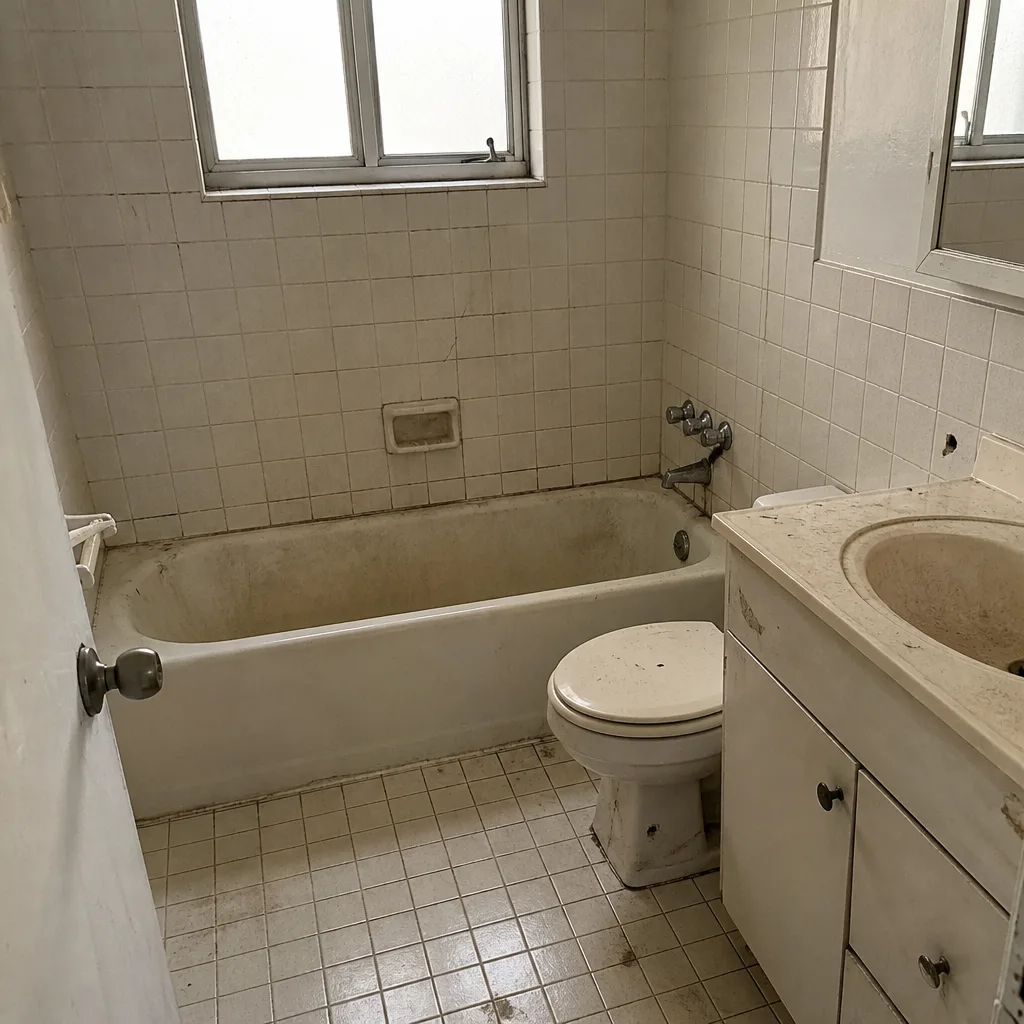
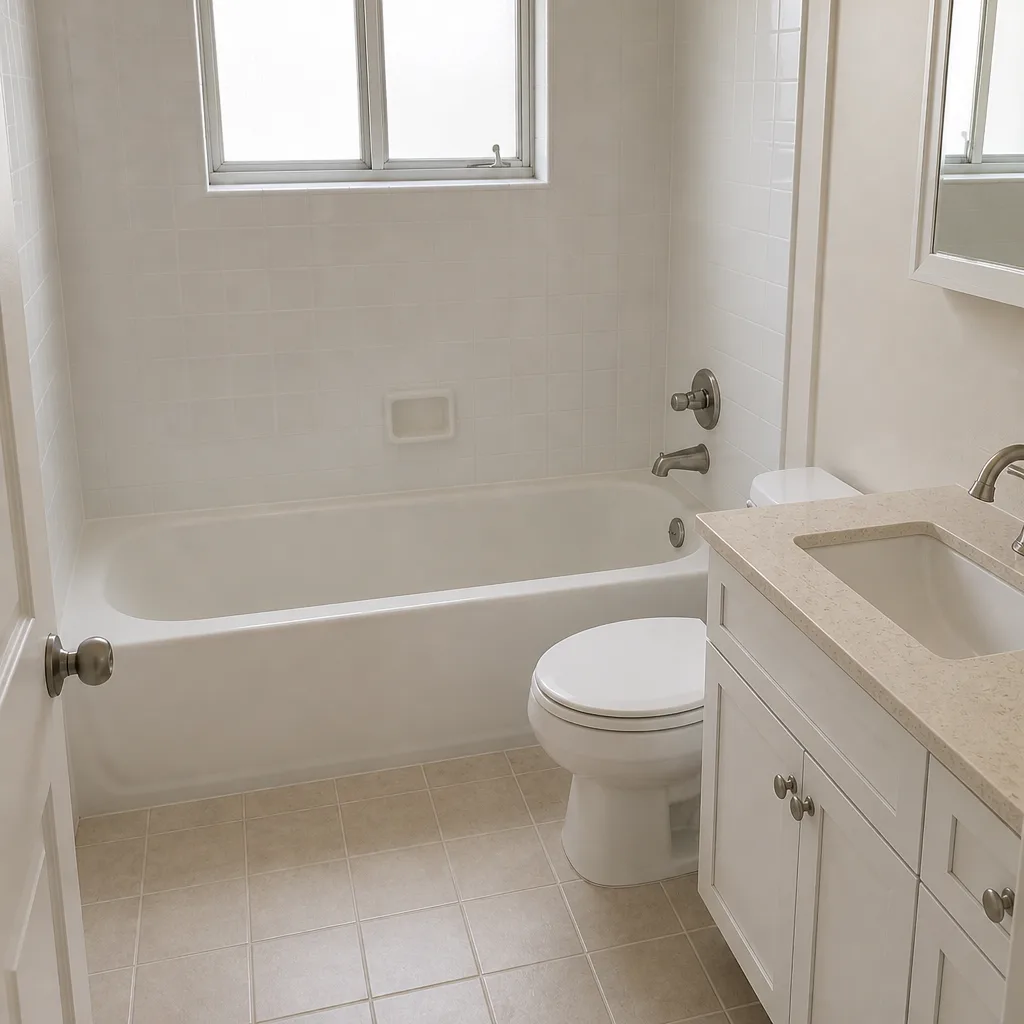
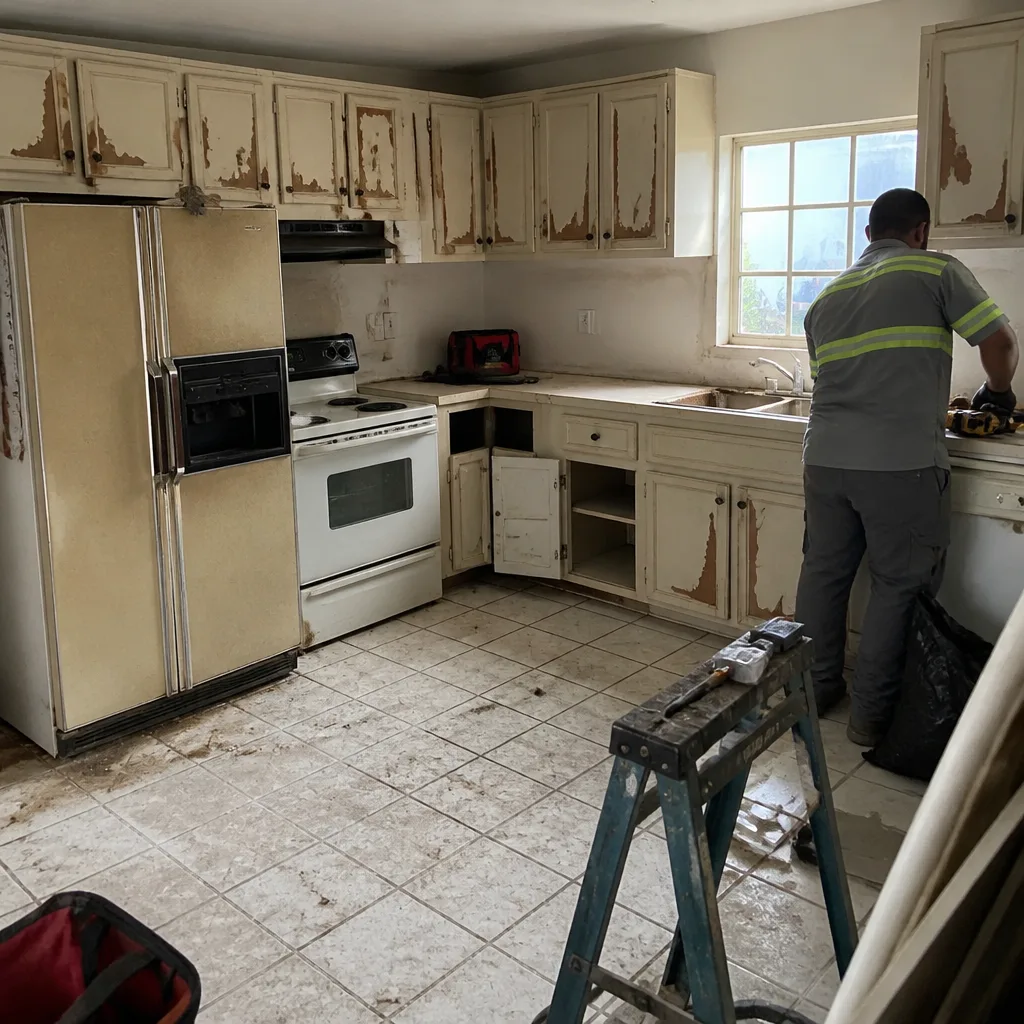
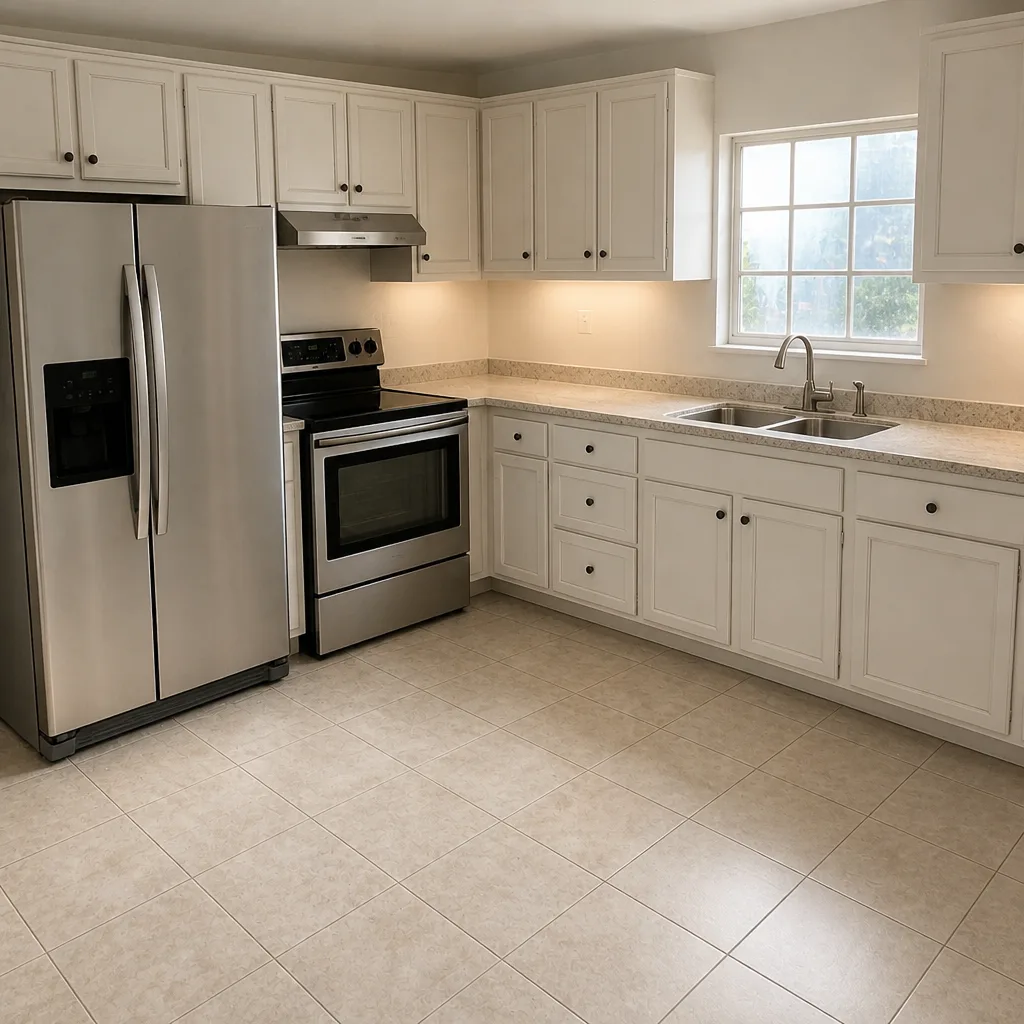
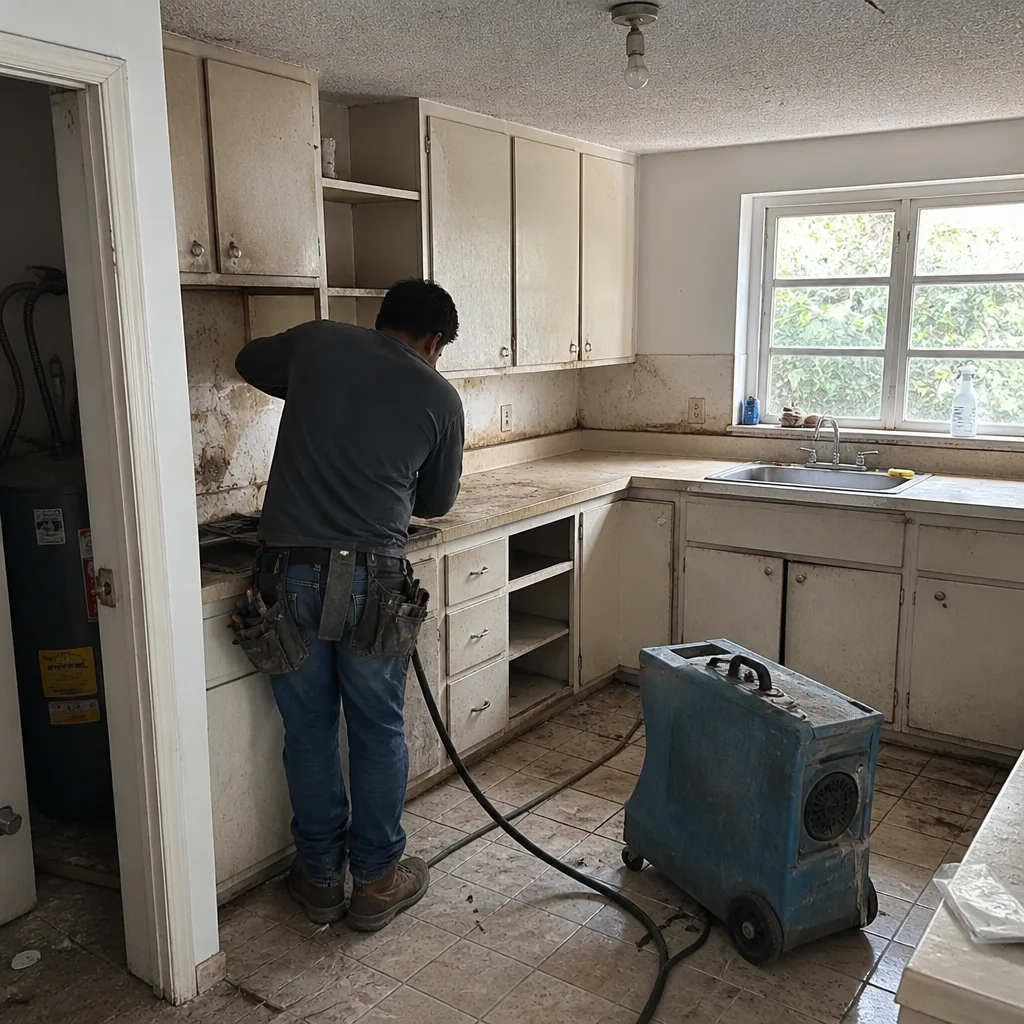
See the difference
 Before
 After
 Before
 After
 Before
 After
When to Call a Professional
Call a licensed contractor when you find any of the following: a step crack that’s widened since the last visit, softness at a door threshold or window sill that you can press with your thumb, water staining on interior walls near the baseboard, a roof leak that reappears after patching, slow drains at the lowest fixture in the house, or a stucco finish coat that’s chalked to the touch and leaving residue on your hand. None of these are emergencies in themselves, but each one accelerates if it waits through a wet season. A written maintenance visit gives you a dated baseline, a priority list, and real pricing before work begins. Penhallow Remodeling Kendall offers free estimates in Kendall. Call (844) 560-5417 to schedule yours. The phone is answered by a real person 24/7, so you won’t be leaving a message with a machine.
Frequently Asked Questions
Once a year is the right baseline for a CBS home in Kendall, ideally scheduled in November or early December after the wet season. A home built before 1995 or one with any history of water intrusion should get a second, shorter check in April before the next wet season starts. The annual visit is where you catch slow change; the April check is where you confirm nothing failed over the dry months.
A written maintenance inspection in Kendall typically runs $250 to $500 depending on home size and how many inspection points are covered. A full roof review with attic-side assessment can push toward the top of that range. The number should be quoted in writing before anyone arrives, and any recommended repairs should be priced line by line. Call (844) 560-5417 for an exact quote; estimates are free.
Yes. A stucco finish coat applied in the early 1990s in Kendall’s climate is at or past the end of its UV service life. That doesn’t mean the stucco is failing – the base coat is usually still fine. But the finish layer is the water-resistant skin, and when it chalks or crazes, water gets behind it. A finish recoat is a fraction of the cost of repairing water damage to interior walls and framing later.
Cracks smaller than about 1/16 inch that wander in no particular direction are usually cosmetic. Cracks that step along the mortar joints between blocks, or that run diagonally from a window or door corner and widen at one end, deserve a professional look. If you’re unsure, taking a dated photo with a ruler held against the crack gives a contractor enough to triage it remotely. Call (844) 560-5417 to talk it through.
Not on a Penhallow project. Every job begins with a written price before any work starts, and that’s the number that appears on the invoice. If a contractor hands you a verbal ballpark and says “we’ll figure out the rest after demo,” that’s the moment to get a second written quote. The written number is the single most reliable protection you have as a homeowner. Call (844) 560-5417 for a written estimate.
Permits are required for most structural, electrical, plumbing and roof work in Kendall, even when the project feels routine. We pull permits and pass inspections where the work requires it, and we tell you up front which parts of a job need a permit and which don’t. Unpermitted work creates problems at resale and can void insurance coverage. If a contractor offers to skip the permit to save time, walk away.
The Bottom Line

Kendall homes fail first in four places: the stucco finish coat, the roof-to-wall flashing, the wood at thresholds, sills and soffits, and the underground plumbing working in clay-heavy soil. Everything else on a generic maintenance checklist is secondary to those. Get a written, dated inspection once a year, focus it on those four systems, keep the report so you can track change, and don’t let a stucco or flashing repair slide into the next wet season. If you’re ready to start with a written number and a written guarantee, our team at Penhallow Remodeling Kendall is here to help – our technicians bring up to 22 years of experience, arrive background-checked and in uniform, and every project carries the 365-Day Done Right Promise. Call (844) 560-5417 to schedule your free estimate. For the full picture of what we do in Kendall, visit our home page, read more about our general contractor services in Kendall, and see how the same maintenance-first approach carries into our kitchen remodeling in Kendall and bathroom remodeling in Kendall work.
Written by the team at Penhallow Remodeling Kendall.