Last updated November 18, 2026








Free written scope consultation - allowances, timeline, and change-order rules on paper before a single trade is scheduled
General Contractor Warning Signs Every Homeowner Should Know
By the time a contractor is three weeks late and the price has doubled, you’ve already missed the five moments where the outcome was still in your hands. Every one of those moments happened before demolition started. That’s the uncomfortable truth about hiring a general contractor: the warning signs are rarely the obvious ones, like a missing license or a refusal to insure. They’re quieter. They’re in how the contractor talks about price, how they handle your first scheduling call, and what specific words show up in the contract. This guide walks through those patterns so you can spot them while you still have leverage, written from our experience doing remodeling work across Kendall and Miami-Dade.
Quick Answer
The biggest warning signs of a bad contractor show up before work starts: a verbal estimate with no written number, vague contract language about change orders and extras, an unverifiable or incorrectly classified license, and a first scheduling call that’s all improvisation. If the contractor won’t put a price and a date in writing up front, you’re looking at how they’ll behave once they’re already in your home and hard to replace.
Styles & brands we work with
- Kitchen remodeling
- Bathroom remodeling
- Home additions & ADU
- Roofing
- Windows & doors
- Driveway & pavers
- Fence
Table of Contents
- Why a Verbal Estimate Is a Warning Sign (Even When the Number Is Right)
- The Exact Contract Language That Signals Change Orders Are the Business Model
- How to Actually Verify a Florida Contractor License in Miami-Dade
- What “We’ll Figure It Out As We Go” Really Costs in Kendall
- The Arrival Window Test: Your First Call Predicts Week Three
- Late-Stage Red Flags That Confirm What You Suspected Early
- How to Protect Yourself Before You Sign Anything
Why a Verbal Estimate Is a Warning Sign (Even When the Number Is Right)
A verbal estimate is a warning sign because it tells you how every future disagreement will be settled: with memory, not paper. If a contractor tells you $24,000 for a kitchen in Kendall and then, months later, the invoice says $31,000, you have no written record that $24,000 ever existed. The number might have been accurate. It doesn’t matter. What matters is that nothing holds them to it.
We see this pattern constantly. A homeowner gets a ballpark over the phone, feels good about it, and hands over a deposit. The price was never the problem. The problem was that a ballpark isn’t a commitment, and once crews are in the house, you’ve lost the ability to walk away cheaply.
- The estimator who won’t email a number. If they can say it out loud, they can write it down. Refusal is the tell, not laziness.
- “That’s just a rough figure, we’ll firm it up later.” Later means after demo, when you’re committed.
- A number that’s suspiciously lower than every other bid. It usually gets recovered through change orders, which we cover next.
- No line items. A single lump sum tells you nothing about where the money goes, so you can’t challenge a substitution later.
Our standard is a written price before any work starts. Not a range, not a ballpark, a real number in a document you can hold. When you’re comparing bids, the one with actual line items is easier to trust, even if the total is higher. You can read it. You can question it. That’s the point. For an idea of what a properly itemized remodel looks like, our Kitchen Remodeling in Kendall page breaks down how real pricing is structured.
The Exact Contract Language That Signals Change Orders Are the Business Model
Change orders are legitimate. Things get discovered behind a wall. A homeowner asks for a different cabinet line mid-project. The problem is a contractor who treats change orders as a revenue strategy, and the language in the contract gives them away before you’ve signed anything.
Watch for these clauses. Any one of them might be innocent. Several together is a pattern:
- “Additional work billed at prevailing rates” or “at contractor’s discretion.” There’s no cap and no agreed rate. You’re signing a blank check.
- “Materials may be substituted with equal or better” without naming the brands. Equal or better by whose measure? If the contract doesn’t name KraftMaid or Wellborn cabinetry, for example, you don’t know what you’ll get.
- Long stop-work provisions. If they can pause the job for “client delay in decisions” while still billing standby time, the incentive is to manufacture delays.
- A change-order fee or markup that’s not disclosed. Some contractors charge 15 – 20% on every change. That’s fine if it’s in writing. It’s a problem if it appears on the first invoice.
- No dollar threshold for what counts as a change. A well-written contract might set a rule like “changes over $500 require written approval.” No threshold means anything can be reclassified as extra.
The fix is simple. Insist the contract names the brands, sets the change-order rate, and requires your written sign-off on anything above a stated amount. A contractor who pushes back on that is telling you something important. If you want to see how we price a project with those safeguards baked in, our General Contractor in Kendall page explains the sequence.
How to Actually Verify a Florida Contractor License in Miami-Dade
Very few homeowners know how to check a license properly. “They showed me a license number” isn’t verification. In Florida, a license can be active but encumbered, or classified for the wrong type of work. Here’s how to actually check, step by step:
- Look up the license number on the Florida DBPR website (Department of Business and Professional Regulation). Search by the individual name or company name, not just the number they wrote on a business card.
- Confirm the status says “Current, Active” and not “Null and Void,” “Delinquent,” or “Suspended.” A suspended license is no license.
- Check the qualifying agent. In Florida, a license is held by a person who qualifies the company. Ask who that person is and confirm they’re actually involved, not a name rented to a company.
- Read the complaint history. Prior disciplinary actions are public. A pattern of complaints, even resolved ones, tells you more than any review score.
- Confirm the license class covers your project. A general contractor’s license vs. a building contractor vs. a specialty license are not interchangeable. Kitchen and bath remodels usually fall under a certified or registered general contractor; confirm the category matches the scope.
- Ask for the certificate of insurance separately and call the carrier to confirm the policy is current. A certificate is easy to print and hard to check, so actually call the number on the certificate.
In Kendall and the rest of unincorporated Miami-Dade, the county also requires contractors to register and pull permits locally, and that’s a separate record from the state license. If a contractor can’t produce both quickly, move on. A working relationship with someone who can’t answer a straightforward licensing question will only get worse after demo day.
What “We’ll Figure It Out As We Go” Really Costs in Kendall
“We’ll figure it out as we go” sounds friendly. In Miami-Dade, it’s expensive. Inspections here are sequential: rough-in inspections have to pass before drywall, and drywall has to pass before finishes. If a rough-in fails, everything stops, and in the middle of summer, that’s weeks of a job site sitting idle while the schedule reshuffles.
This matters more in Kendall than elsewhere. Our climate is humid year-round, and a home remodel that drags into the rainy season risks water intrusion at exposed framing or delays from county inspection scheduling backlogs. A contractor who hasn’t planned the sequence hasn’t planned around your climate, your permits, or your calendar.
What “we’ll figure it out” actually costs, roughly:
- Inspection re-fees: a failed rough-in usually means a new inspection fee and a new appointment slot.
- Lost time: a two-week slip on a 90-day project becomes six weeks once you’re fighting for inspection slots.
- Rework: correcting an out-of-sequence rough-in can run several thousand dollars, and that cost usually lands in a change order.
- Rent or displaced living costs if a family has to stay in a hotel or extend a rental agreement.
The alternative is a written schedule tied to permit milestones before work starts. When a contractor can show you that schedule up front, they’ve already thought through the inspections. For a walkthrough of how the permit sequence plays out on real Kendall jobs, see our Bathroom Remodeling in Kendall writeup.
The Arrival Window Test: Your First Call Predicts Week Three
How a contractor handles your first scheduling call predicts exactly how they’ll handle the third week of your project. This is the single most reliable test we know, and it costs nothing to run. Call them on a Tuesday morning and pay attention to these things:
- Does a live person answer, or do you reach voicemail? If it rings twice and goes to a robot asking you to leave a message, that’s the same responsiveness you’ll get when a toilet is leaking mid-remodel.
- Do they give you a window, or a vague day? “Sometime Tuesday afternoon” is a prediction. “Between 1 and 3 pm” is a promise. Only one of those is usable.
- Do they call if they’re running late? This is the test. Anyone can be on time when things go well. The contractor who calls ahead to say they’re 20 minutes out is the one who’ll do it in week three when a sub is stuck in traffic on Kendall Drive.
- How do they respond when you ask to move the appointment? A calm, flexible reschedule says the schedule is managed. A defensive reaction says it isn’t.
We arrive in a defined window, in uniform, background-checked, and we call if we’re going to be late. This isn’t a marketing line. It’s the same promise made again and again on every job because it’s the only way a homeowner can plan around having people in their house. If the first call is chaos, expect chaos on the calendar.
Late-Stage Red Flags That Confirm What You Suspected Early
Sometimes you hire anyway and find out the hard way. Watch for these confirmation signals, which almost always trace back to something you could have spotted before signing:
- The crew changes every week. Not just the labor, the foreman is a new face. That’s a subcontractor shell, not a crew.
- No written guarantee. The contractor who promised to “make it right” verbally will be unreachable after final payment.
- Cash-only payment requests with no invoice trail, or a pattern of up-front deposits that escalate well beyond state limits.
- Endless “unforeseen conditions.” Some are real. A pattern of daily discoveries is a pricing strategy.
- Substitutes without notice. The contract promised Barrette railing or Master Halco fencing and you got the cheapest equivalent. That’s a substitution in the wrong direction.
- Disappearing after the final draw. No follow-up, no punch list, no return calls. The 365-Day Done Right Promise exists precisely because this is so common.
The first five are worth walking out on. The sixth is what happens when there’s no written guarantee to hold them to. Our promise is a written number before work starts and a written guarantee after the final walkthrough, and we come back at no charge if something fails in the first year. That’s not a favor. It’s what the agreement says.
How to Protect Yourself Before You Sign Anything
Everything above comes down to leverage. Before you sign, you have all of it. After demo day, you have very little. Use it in the first conversation, and you’ll avoid almost every pattern in this guide.
- Get everything in writing, including the price. Not a range, not a ballpark. A line-item written price. If they can’t produce one, ask why.
- Read the change-order clauses closely. Confirm the rate, the threshold, and the brand names. Insist on your written sign-off for extras above a stated amount.
- Verify the license and insurance yourself. Both the state DBPR record and the local Miami-Dade registration.
- Ask for the schedule in calendar form. Permit milestones, inspection dates, expected completion window. A real schedule holds up to questions.
- Ask about the guarantee in writing. What does it cover, how long does it last, and what happens if something fails? Get the answer in print.
- Confirm who’ll be in your home. Background-checked and uniformed is a standard, not a courtesy. Ask about it plainly.
None of those steps are rude. A contractor who treats them as annoying is giving you the answer you need before any money changes hands. For how we run a full job against those standards, our Penhallow Remodeling Kendall home page lays out the sequence.
Common Mistakes to Avoid
- Accepting a verbal estimate because the number “feels right.” Even if the number is accurate, you have no way to hold them to it later, and the contractor knows it.
- Hiring on price alone without comparing line items. In Kendall, two bids that look identical on the cover sheet often diverge entirely in materials and scope once you read them.
- Not checking the DBPR record, or not opening the complaint history. The license number being real doesn’t mean the license is clean.
- Signing a contract with vague change-order language. “Prevailing rates” or “at contractor’s discretion” are the words you’ll regret first.
- Ignoring the first scheduling call. If a contractor can’t give you a two-hour window on a Tuesday estimate, they won’t give you one mid-project.
- Assuming inspections will sort themselves out. In Miami-Dade, sequential inspections mean a failed rough-in stalls the whole job, sometimes for weeks during rainy season.
- Paying the deposit before the written price and written guarantee are in hand. The order matters more than the amounts.
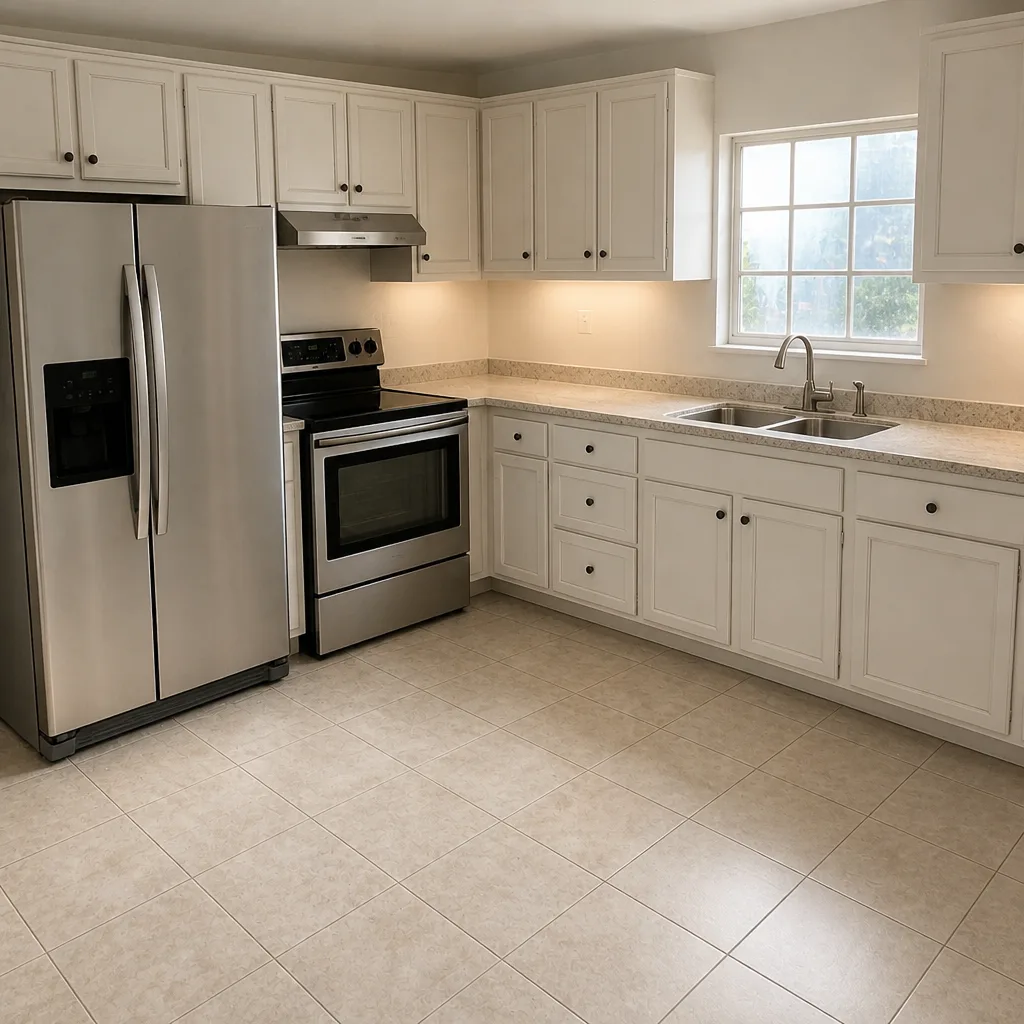
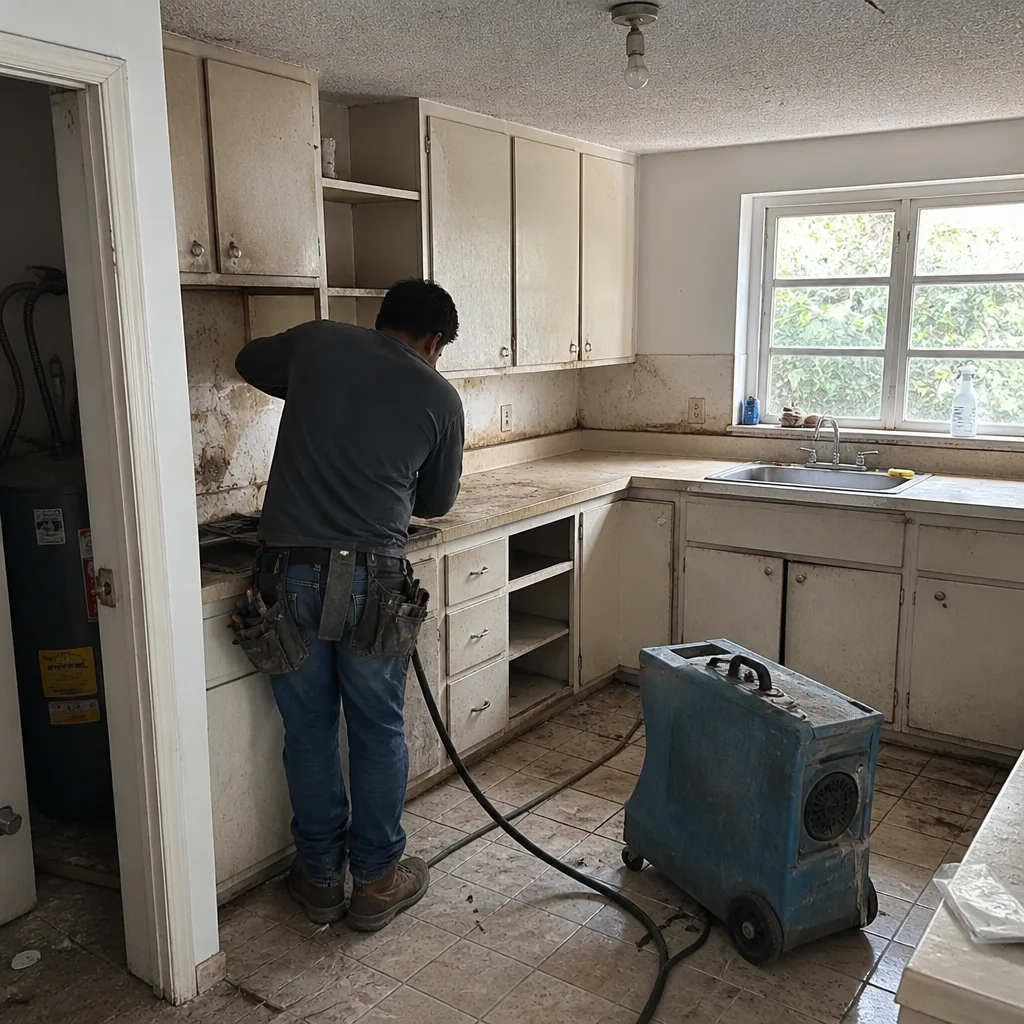
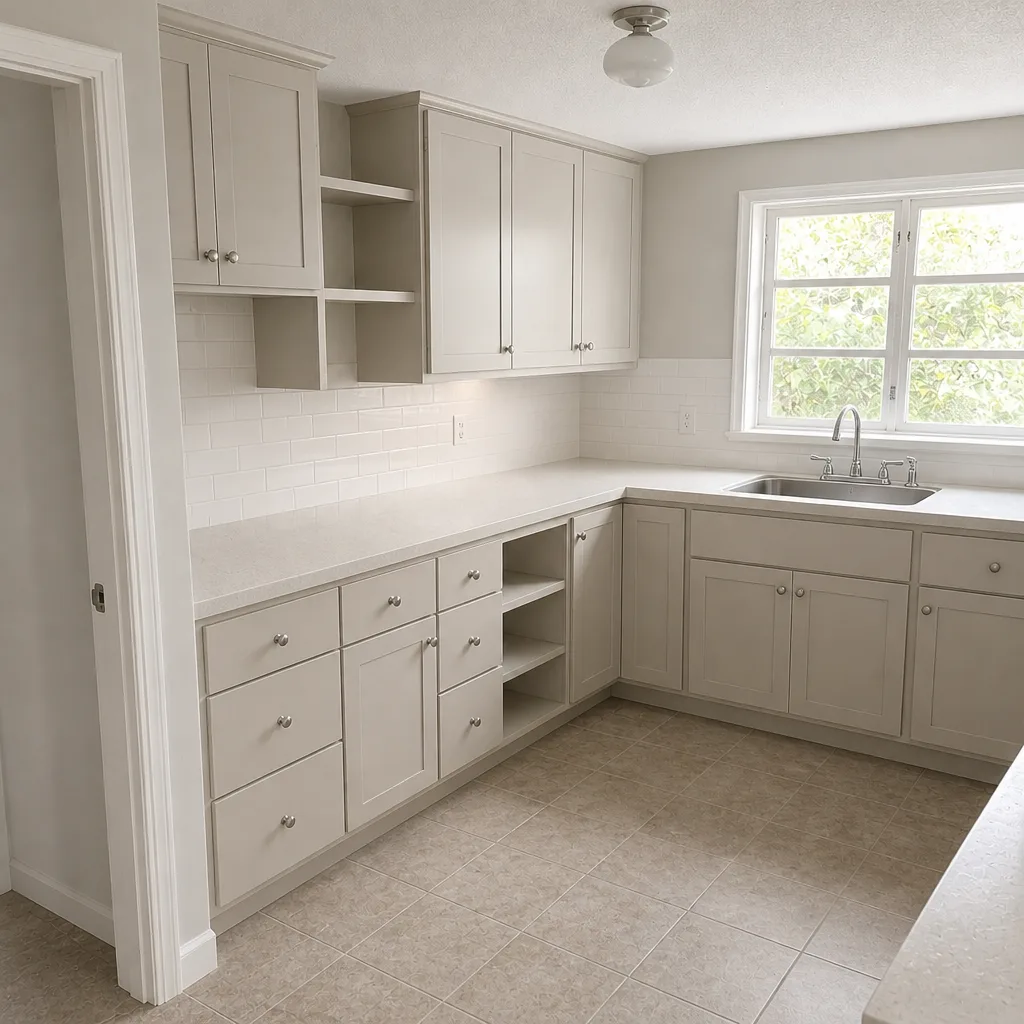
See the difference
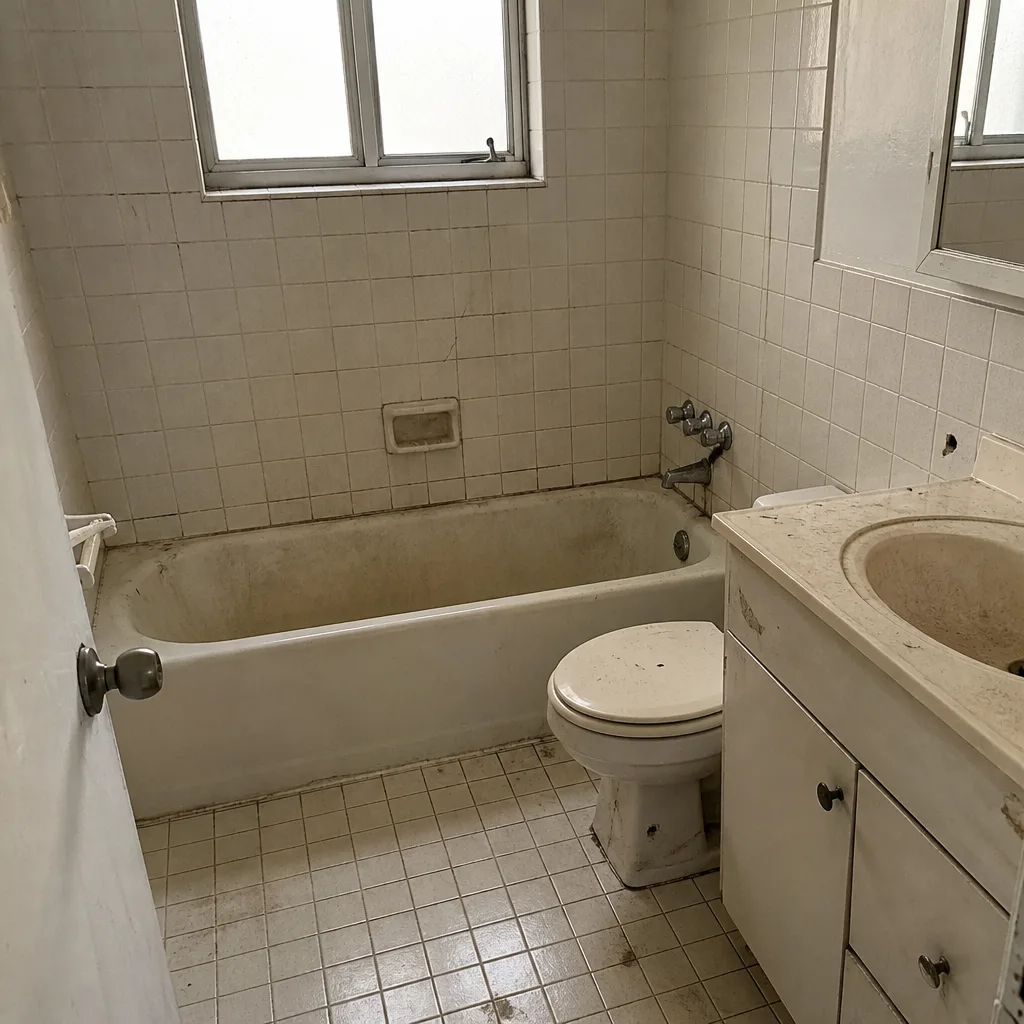 Before
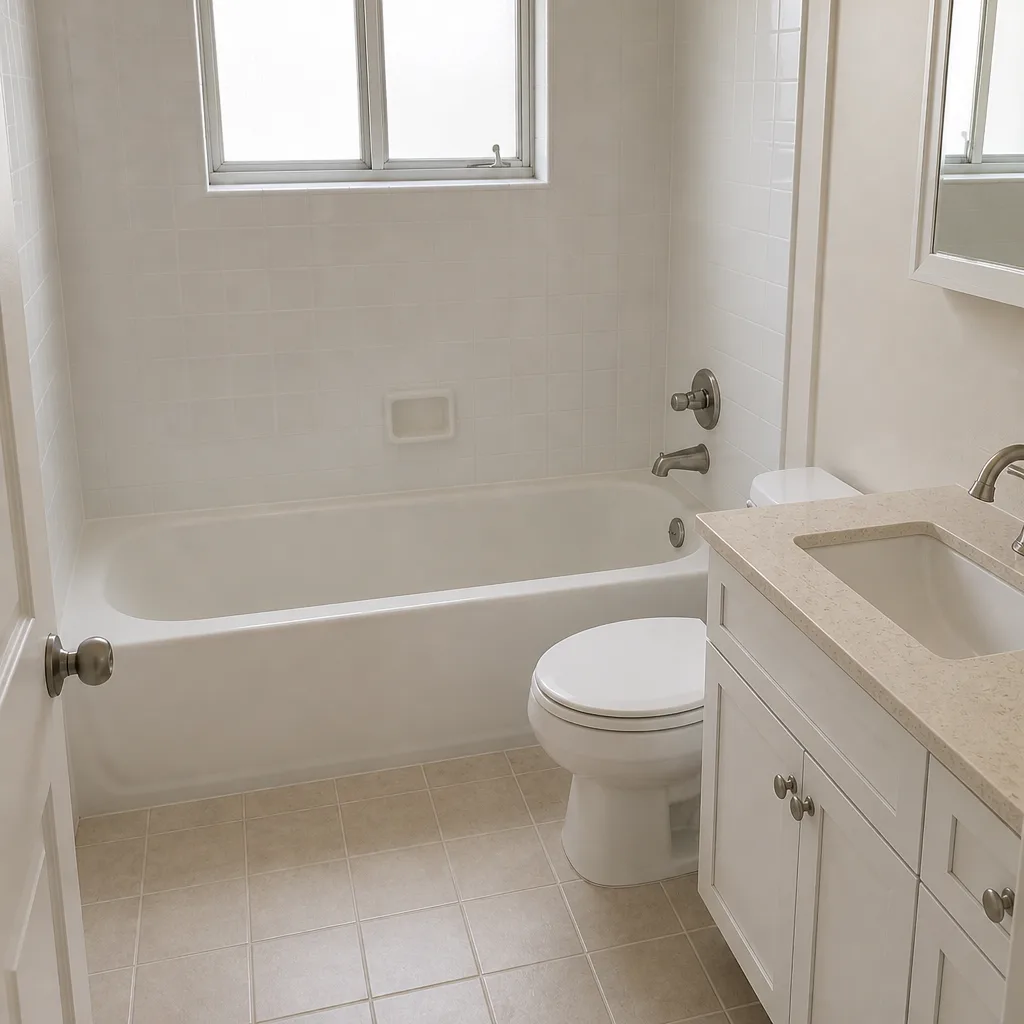 After
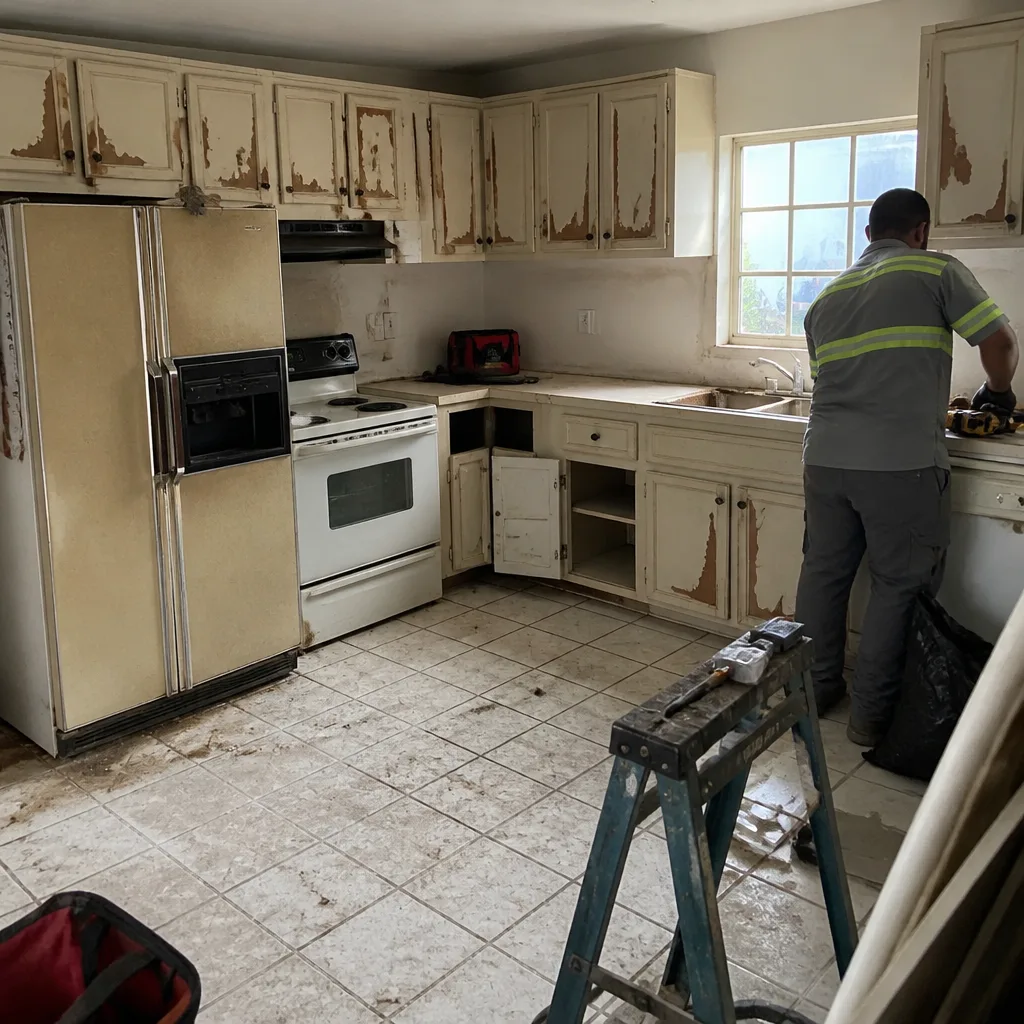 Before
 After
 Before
 After
When to Call a Professional
Call a licensed general contractor before you remove a wall, move plumbing, reconfigure a bathroom, or take on any project that requires a permit. In Kendall, permits are required for most structural, electrical, plumbing, and mechanical work, and doing it without one can complicate resale and home insurance. If you’ve already hired someone and you’re seeing the patterns in this guide, the earlier you bring in a second opinion, the cheaper the recovery. A failing rough-in or a half-installed shower pan is far less costly to correct before finishes go in. Penhallow Remodeling Kendall offers free estimates in Kendall, with a written price and a written guarantee before any work starts. Call (844) 560-5417 to schedule your free estimate.
Frequently Asked Questions

The biggest warning signs are a verbal estimate with no written number, vague contract language about change orders and substitutions, no verifiable license or a license that’s misclassified for your project, and a first scheduling call that’s all improvisation. A contractor who won’t put a price and a date in writing up front is telling you how they’ll behave once crews are in your home.
A correction usually runs 30 – 70% of the original project cost, depending on how far the work went before you stopped it. In Kendall, a failed rough-in caught before drywall is often a few thousand dollars. Caught after tile goes down, it’s much more. Call (844) 560-5417 for an assessment. Estimates are free.
It shouldn’t, and a written line-item price is how you enforce that. Our written price up front means the number on day one is the number on the invoice unless you approve a change in writing. Any contractor who hedges on that with “we’ll firm it up later” is signaling the opposite. Call (844) 560-5417 to schedule a free estimate with a written price.
Use the Florida DBPR website to search by name or license number, confirm the status is “Current, Active,” review the complaint history, and verify the license class matches your project. In Miami-Dade, also confirm local county registration. It takes five minutes and it’s the most reliable check you can run on any contractor you’re considering in Kendall.
Yes. We pull the permits and manage the inspection sequence so rough-ins pass before drywall and drywall passes before finishes. In a county where inspections are sequential, that’s not a courtesy, it’s how a schedule stays on track. If a contractor suggests skipping permits to save time in Kendall, that’s a reason to walk away.
A typical kitchen remodel takes 6 – 10 weeks and a bathroom 3 – 5 weeks, depending on scope and inspection timings. Miami-Dade scheduling can add one to three weeks during the busiest months. Get the schedule in writing with permit milestones, and confirm what happens if an inspection gets delayed. Call (844) 560-5417 for a realistic timeline on your project – estimates are free.
The Bottom Line
The warning signs that actually matter aren’t the obvious ones. They’re the moment a contractor won’t put a written price in front of you, the contract language that turns change orders into a revenue strategy, the first call that’s all improvisation. Those are the moments you still have leverage, before demo day, before deposits, before anyone’s torn open a wall. Verify the license properly. Read the change-order clauses. Run the arrival window test. Do those four things in Kendall and you’ll sidestep most of what goes wrong on a remodel, and you’ll know within a week whether you’re talking to the right contractor.
Written by the team at Penhallow Remodeling Kendall.