Last updated November 18, 2026






Free written scope consultation - allowances, timeline, and change-order rules on paper before a single trade is scheduled
Home Remodeling Warning Signs Every Homeowner Should Know
A beautiful tile job hiding a missing waterproofing membrane will look perfect for 18 months. Then it will cost $12,000 to rip out and redo. That gap between what a remodel looks like on the day the crew leaves and what it looks like two years later is where most Kendall homeowners lose money. The visible workmanship is usually the least of it. The expensive failures hide inside walls, under floors, and in the paperwork nobody reads. This guide covers what to watch for before you sign, during construction, and in the first 60 days after, so the red flags show up while you can still do something about them.
Quick Answer
The biggest home remodeling warning signs are missing permits, vague scope-of-work language, verbal-only guarantees, and subcontractors who can’t name the general contractor they work for. In South Florida, add skipped moisture barriers in wet rooms, no mold remediation protocol, and no mention of hurricane strapping. Most of these are invisible on a walkthrough, which is why you check documents rather than finishes.
Styles & brands we work with
- Kitchen remodeling
- Bathroom remodeling
- Home additions & ADU
- Roofing
- Windows & doors
- Driveway & pavers
- Fence
Table of Contents
- The Paper Trail: What a Legitimate Contractor Has Before Work Starts
- Invisible Warning Signs During Active Construction
- Vague Scope Language and Verbal Guarantees: The Contract Red Flags
- South Florida-Specific Red Flags: Moisture, Mold, and Hurricane Strapping
- Post-Remodel Warning Signs Homeowners Dismiss as Settling
- Pricing Signals: What a Real Central Lab Bid Looks Like
- The One Document That Decides Whether You Hire or Walk
The Paper Trail: What a Legitimate Contractor Has Before Work Starts
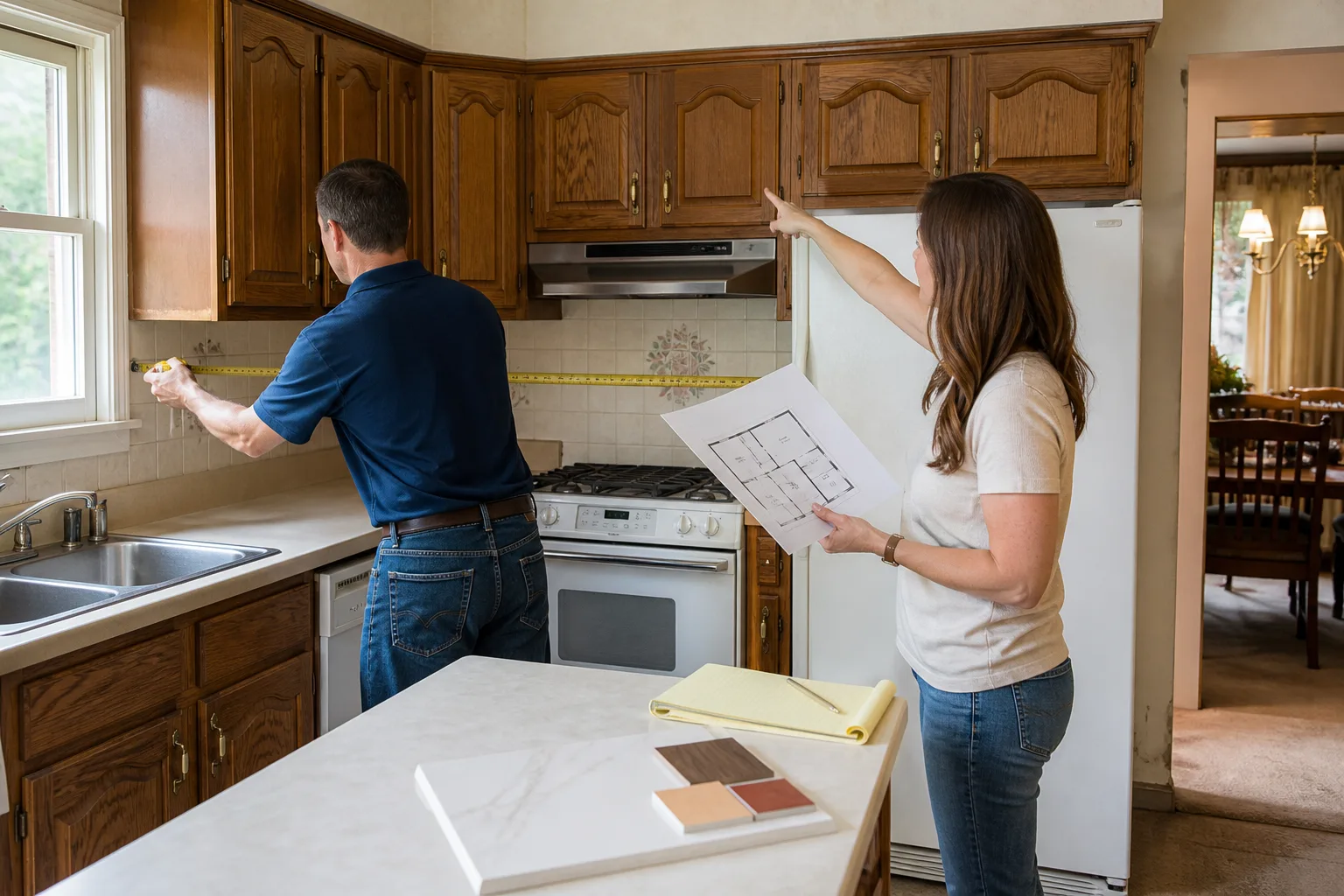
Before anyone pulls a cabinet, a real contractor can hand you four things without a phone call to the office. We’ve watched homeowners sign $40,000 contracts without asking for a single one of them. That’s the moment the leverage shifts.
- A written, line-item price. Not a range, not a “ballpark,” not a total at the bottom with “miscellaneous” in the middle. Cabinets, countertops, labor, demo, permits, and contingency should each have a number next to them.
- The permit application or the permit number. In Kendall and across Miami-Dade, most kitchen and bathroom remodels require a building permit. If the contractor can’t produce a permit number or show you the filed application, the work isn’t being inspected, and your homeowner’s insurance may treat future claims differently.
- A written workmanship guarantee. What it covers, how long it lasts, and what happens if something fails. A verbal “we stand behind our work” isn’t a guarantee. It’s a sentence.
- Proof of insurance and a state license you can verify. Not a photocopy handed across a table. A number you can look up.
The contractor who has these ready is not doing you a favor by producing them. They’re showing you that this is how they operate on every job. If getting a written price takes three follow-ups, imagine how the punch list goes.
Invisible Warning Signs During Active Construction
The most expensive problems happen while the job is still underway, and they are almost all hidden behind something. You won’t see a skipped vapor barrier under a finished shower floor. What you can see is whether the process looks disciplined. Here’s what to watch during the work itself.
- No permit posted. A permit card should be visible at the job site, usually near the front door or the room being worked on. If it’s “in the truck” for the entire job, that’s a problem.
- No inspections scheduled. Miami-Dade requires inspection at defined points: rough-in framing, electrical, plumbing, and final. Ask when the next inspection is. If the answer is “we don’t need one for this,” verify that with the building department before you accept it.
- Subcontractors who can’t name the GC. It’s normal for a general contractor to bring in electricians, plumbers, and drywall crews. It’s not normal for those crews to have no idea who’s running the job. Ask a tile setter who the general contractor is. If they shrug, the job has no single point of responsibility, and warranty claims go nowhere.
- Spray foam over a wet wall. In Kendall’s humid climate, sealing moisture into a cavity is a recipe for mold. Closed-cell foam is fine when the substrate is dry. Over a wall with any active or recent water intrusion, it traps the problem.
- Electrical work without visible permits or rough-in inspection. Kitchen remodels routinely move outlets and add circuits for a range hood, a dishwasher, or under-cabinet lighting. None of that should be closed up before inspection.
A contractor who runs a clean site usually runs a clean paper trail. When our technicians arrive, they arrive background-checked and in uniform because who’s in your home matters as much as what they’re building in it.
Vague Scope Language and Verbal Guarantees: The Contract Red Flags
The contract is where most disputes are actually born. If you’re renewing your home here or anywhere in South Florida, get a General Contractor in Kendall who puts the scope in writing before the first nail, not one who explains it at the table.
Read the scope-of-work section the way a claims adjuster would. These phrases are the ones that cost homeowners money later.
- “Standard installation.” Standard according to whom? Without a specification (cement board substrate, thickness, fastener schedule), the contractor can meet the language while cutting corners. Define the layer behind the tile, not just the tile.
- “Subfloor repairs as needed.” “As needed” is an open-ended change order. Ask what the threshold is. What triggers a repair credit or a fixed price? What’s the per-square-foot rate if the subfloor is found to be rotten?
- “Materials of equal or comparable quality.” That clause lets a contractor swap your specified Cambria quartz for an unspecified alternative. If you’re paying for a named product, the contract should name it, and name the substitution process.
- An allowance with no cap. A $3,000 allowance for lighting sounds generous until you’re choosing fixtures. Ask what happens at overage and who sets the number.
- A verbal guarantee. “If anything goes wrong, call me.” A guarantee needs a duration, a scope, a remedy, and a name on the contract. A written guarantee is the only kind that survives a change of heart.
Penhallow operates under the Kingswell standard: a written price before any work starts, a defined arrival window, a clean job site, and a 365-Day Done Right Promise backed in writing on every project. That’s the baseline to hold any Kendall contractor to. If they can’t match it in writing, don’t sign.
South Florida-Specific Red Flags: Moisture, Mold, and Hurricane Strapping
Kendall is a wet climate with a building code that reflects it, and a very large share of remodeling failures here come from contractors who work as though they’re in a drier state. Our technicians have up to 22 years of experience between them, and the same three issues come up on inspection after inspection.
1. No moisture barrier in wet rooms
Any tiled shower or wet-area floor needs a waterproof membrane beneath the setting bed. In Kendall, where indoor humidity routinely sits above 60% most of the year, a shower without a proper membrane will fail. Sometimes it takes 18 months. Sometimes it takes four. When it does, you’re looking at $8,000 – $15,000 to remove tile, replace substrate, and start over. Ask your contractor to identify the membrane product by name. If they can’t, ask again.
2. No mold remediation protocol
If demo reveals mold behind drywall or under a vanity, the fix isn’t “spray it and paint over it.” Florida has a defined remediation process, and remediation isn’t the same as cosmetic repair. Ask how the contractor handles a discovery. A professional stops, assesses, and documents the finding before continuing. In our experience, the contractors who skip that step are the ones who also skip the moisture barrier.
3. No mention of hurricane strapping
If your remodel touches framing, roof-line, or window openings, hurricane strapping and wind-load compliance come into play. Miami-Dade has specific product approval requirements for impact glazing and doors. When you’re sourcing out of brands like Therma-Tru or a storm-rated system from ECO Window Systems, the contractor should be able to tell you up front whether the product is rated for wind-borne debris in your zone, and whether an inspection is required after install. That conversation happens before the quote, not after.
Post-Remodel Warning Signs Homeowners Dismiss as Settling
After the job wraps, there’s a window of roughly 60 days when a real defect looks identical to normal settling. Here’s how to tell the difference. If you see any of the following, call the contractor while the guarantee period is still active.
- Grout cracking within 60 days. Hairline movement at a corner joint is common. Continuous cracking across a floor, or cracking that follows a straight line for more than a few feet, usually means a deflect issue in the subfloor or inadequate substrate. Both are repair items, not settling.
- Doors sticking after tile work. If a door suddenly binds after a tile floor goes down, either the tile thickness was wrong for the clearance or the framing was shimmed incorrectly. It’s a quick fix early and a complicated one later.
- Unexplained humidity spikes. A bathroom that gets noticeably more humid after a remodel is often a ventilation problem. A new exhaust fan that was sized wrong or vented into the attic rather than outside will do it. Ask the contractor to verify the vent termination point.
- Soft spots or a hollow sound under floor tile. That’s usually a thin-set issue, and it doesn’t heal. Walk the floor with a bare foot after the job. If a section sounds different from the rest, mark it and document it.
- Water pooling at a shower curb or door threshold. Pitch should be set during install. If water pools a quarter inch deep at the doorway, it’s a slope problem, and it will slowly feed a moisture issue behind the membrane.
The “365-Day Done Right Promise” exists for exactly this window. In plain terms: if it fails inside the year, Penhallow comes back and fixes it at no charge. A contractor without a comparable written commitment is asking you to accept the 60-day risk alone. For kitchens, that gap is where you can see a $18,000 – $55,000 remodel turn into a repair project.
Pricing Signals: What a Real Kendall Bid Looks Like
Real numbers are the best red-flag detector. A contractor who can’t break down a bid is either guessing or hiding margin. Here’s roughly what a legitimate mid-range remodel in Kendall runs by scope. If a bid is dramatically below the low end, ask what’s being left out. If it’s dramatically above, ask what’s being included.
- Kitchen remodel: $18,000 – $55,000, driven by cabinet line (KraftMaid and Wellborn sit in that range), countertop material (Cambria and Silestone quartz typically add $4,000 – $12,000 over laminate), and whether walls are being moved.
- Bathroom remodel: $12,000 – $32,000, with the biggest line items being tilework, shower waterproofing, plumbing relocation, and fixture selection (Kohler and Moen are common spec choices for good reason).
- Whole-home remodel: $85,000 – $250,000+, and the range is that wide because “whole home” can mean a cosmetic refresh or a studs-out rebuild. Ask for a room-by-room breakdown.
- Permit fees: Plan on $1,200 – $4,500+ for a kitchen or bathroom in Miami-Dade, depending on valuation and whether impact or structural work is involved.
- Contingency line: 10 – 15% of the contract total, priced on the bid. Not on the invoice after the fact.
Any bid that doesn’t separate labor, materials, permits, and contingency into line items is a warning sign. Period. For a deeper look at what drives the number, our Kitchen Remodeling in Kendall page breaks down the cabinet and countertop cost structure room by room.
The One Document That Decides Whether You Hire or Walk
If you remember one thing from this guide, remember this. The single document a legitimate contractor always has before pulling the first cabinet is a written, line-item price paired with a written workmanship guarantee. Both. Not one or the other. Not a range on a napkin and a handshake on the follow-up.
Here’s why it’s the deciding document. A written price forces the contractor to commit numbers to the scope, which means they can’t balloon the price after demo when you have no leverage. A written guarantee forces them to name the remedy, which means “we’ll make it right” has a definition. Everything else in this guide is a symptom. This document is the cause.
If a contractor doesn’t have it, don’t walk away from the conversation. Walk away from the job. You can ask for it. Ask directly: “Can you send me the line-item price and the written guarantee before we sign?” A professional sends both. A contractor who pushes back is telling you something useful.
Our entire operating model, right down to the delivery of that first quote, is built around this. That’s also the reason we insist technicians arrive uniformed and background-checked: the same commitment to accountability that applies to the paperwork applies to the people in your home.
Common Mistakes to Avoid
- Hiring on the lowest bid without checking the permit status. A $9,000 kitchen bid often leaves out permits and inspections. When the job is complete and unpermitted, you own the problem, including any insurance implications on a future claim.
- Accepting a “verbal guarantee” because the conversation felt good. Guarantees are paper, not tone. Ask for the duration, the scope, and the remedy in writing before you sign, and don’t accept a handwritten note on the back of an invoice.
- Not asking who’s responsible for the drywall behind the tile. In Kendall, that’s the layer where moisture problems start. If your contractor treats the substrate as a detail rather than a scope item, you’ll likely find out the expensive way.
- Choosing materials without confirming the substitution clause. If the contract says “equal or comparable” without naming the product, you have no protection when the specified Kohler fixture arrives as an unlabeled alternative.
- Ignoring humidity spikes in the month after the job. A 10% jump in relative humidity in the bathroom post-remodel usually points to a ventilation or waterproofing issue. It’s a $300 fix in month one and a $6,000 fix in year two.
- Paying a large deposit with no written schedule. A deposit should be tied to a milestone and be paid against a plan. If the deposit is half the contract with no schedule, you’ve funded the job before the job has started.
- Treating “no permit posted” as a minor detail. On a kitchen or bathroom remodel in Miami-Dade, it’s a full-stop signal. If there’s no card on the wall, there’s no inspection, and there’s no paper trail protecting you if something fails.
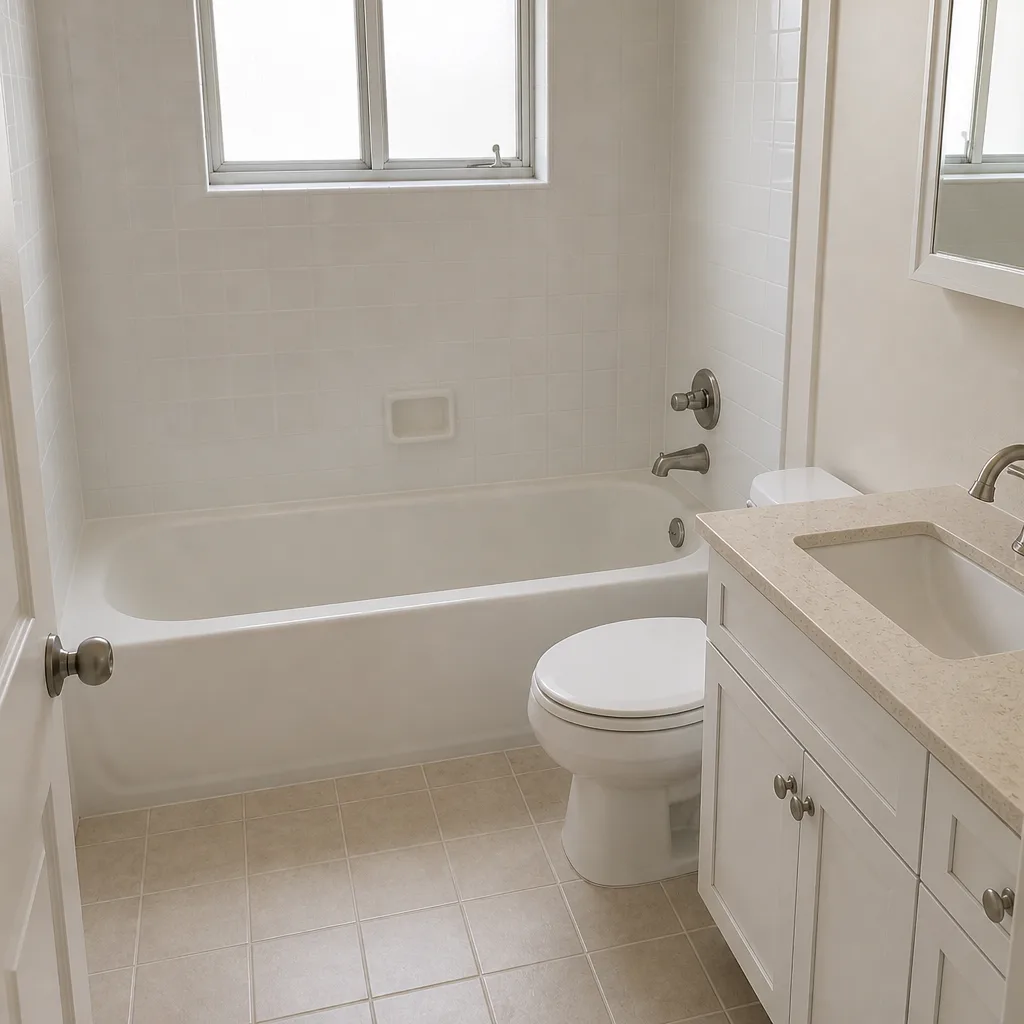
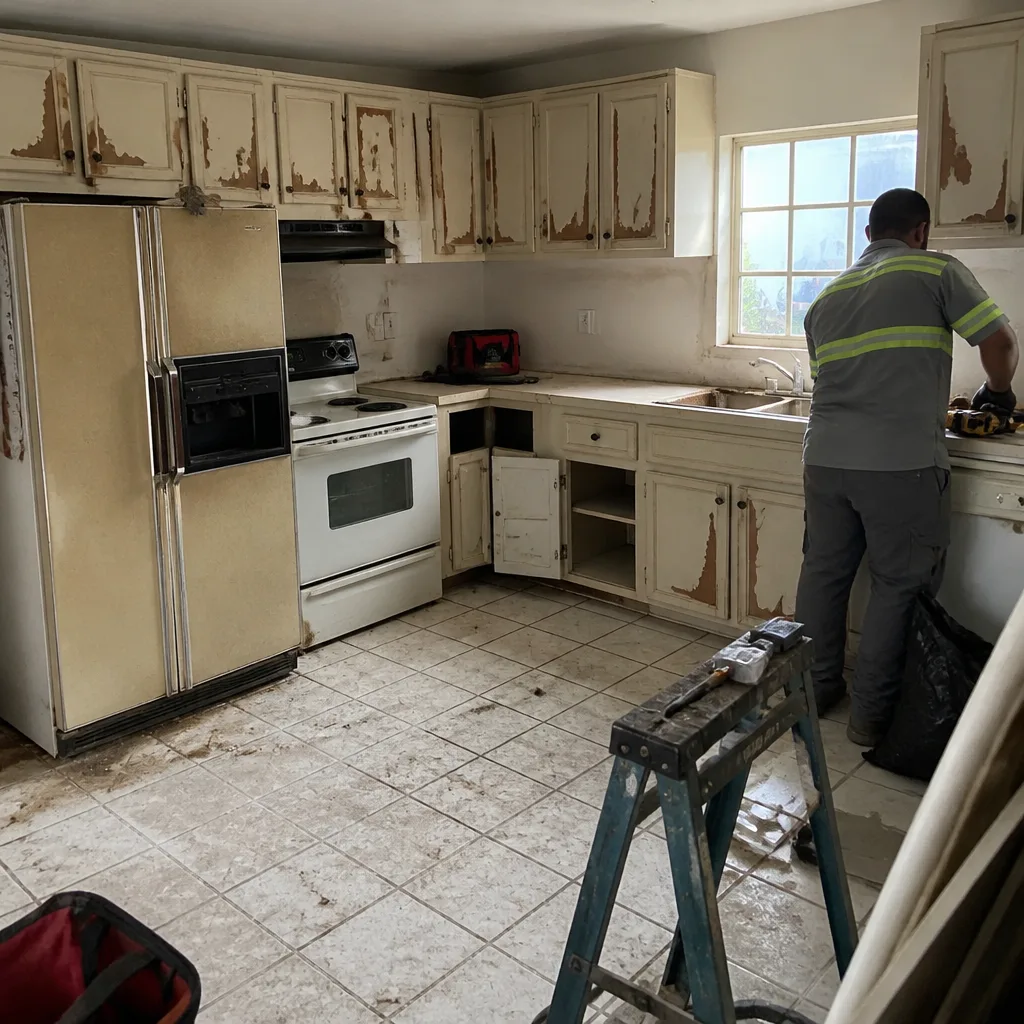
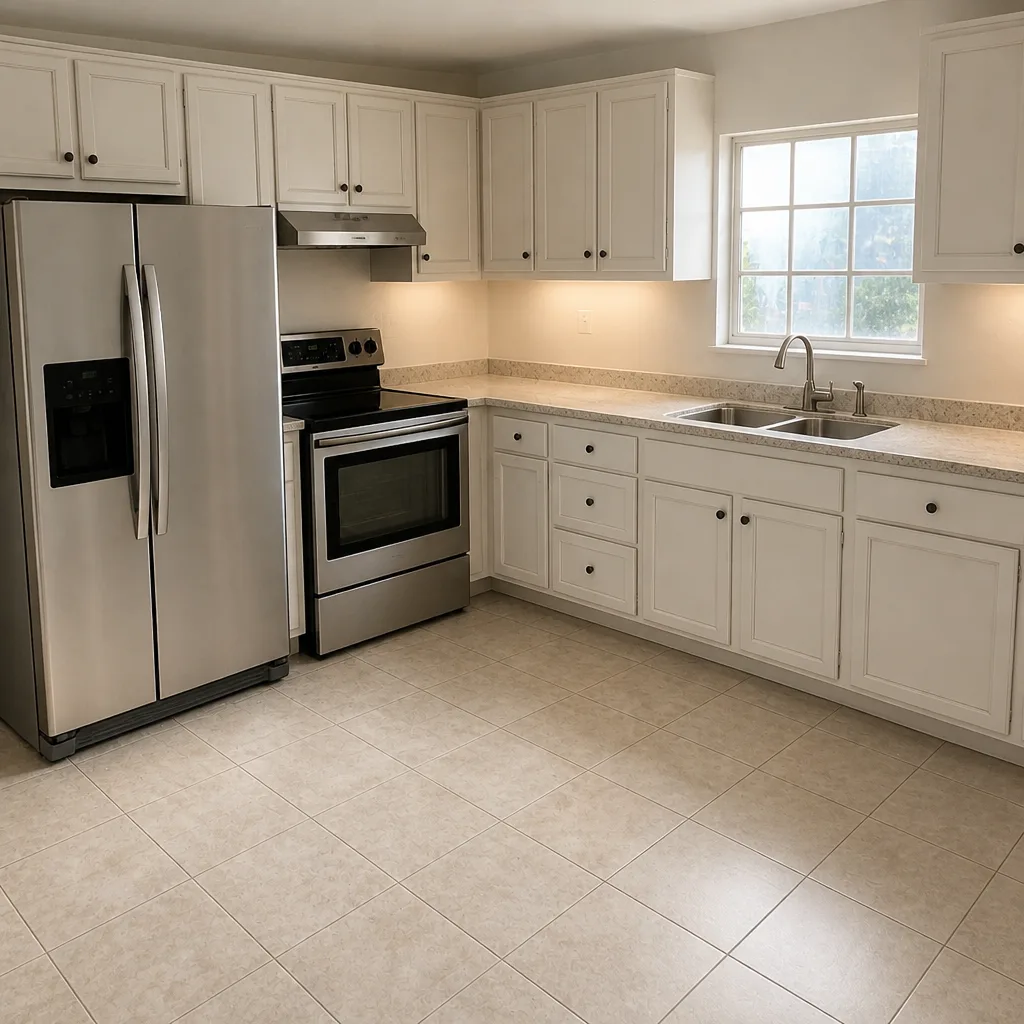
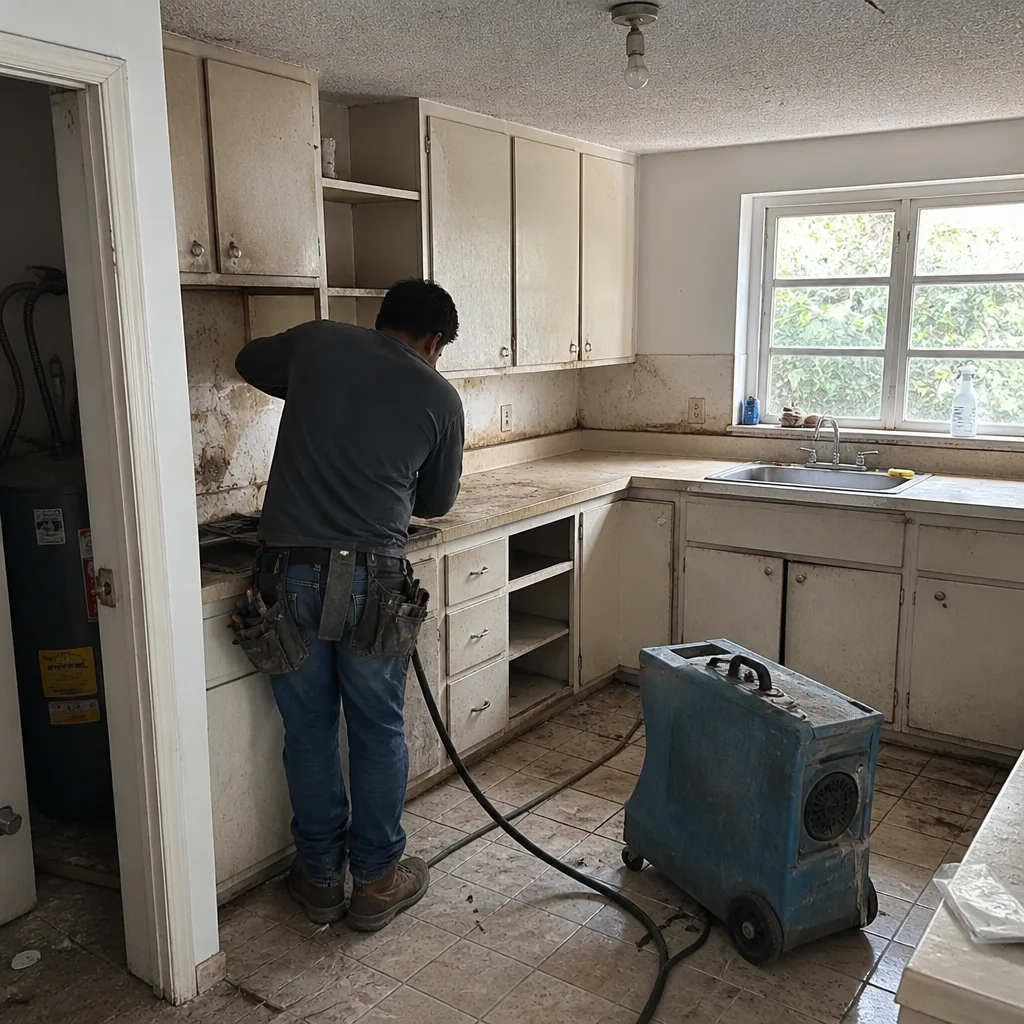
See the difference
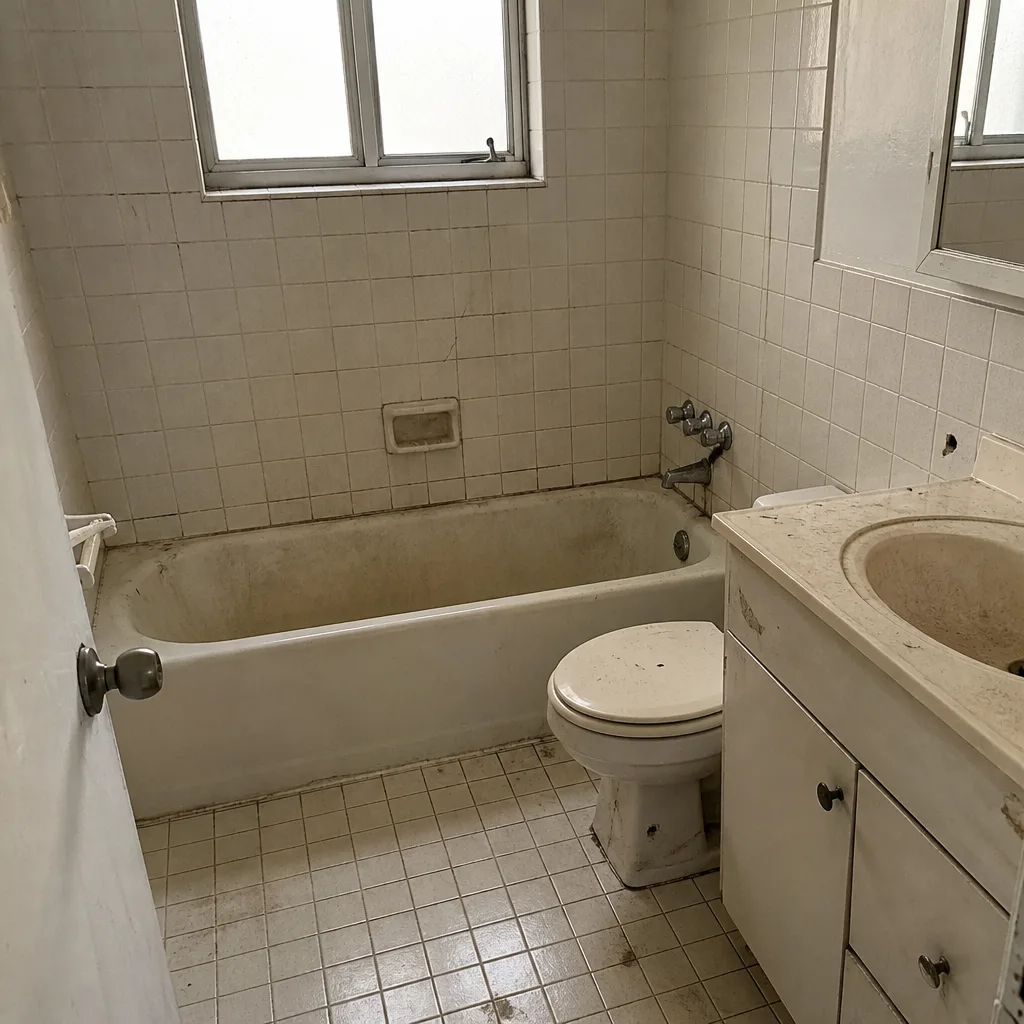 Before
 After
 Before
 After
 Before
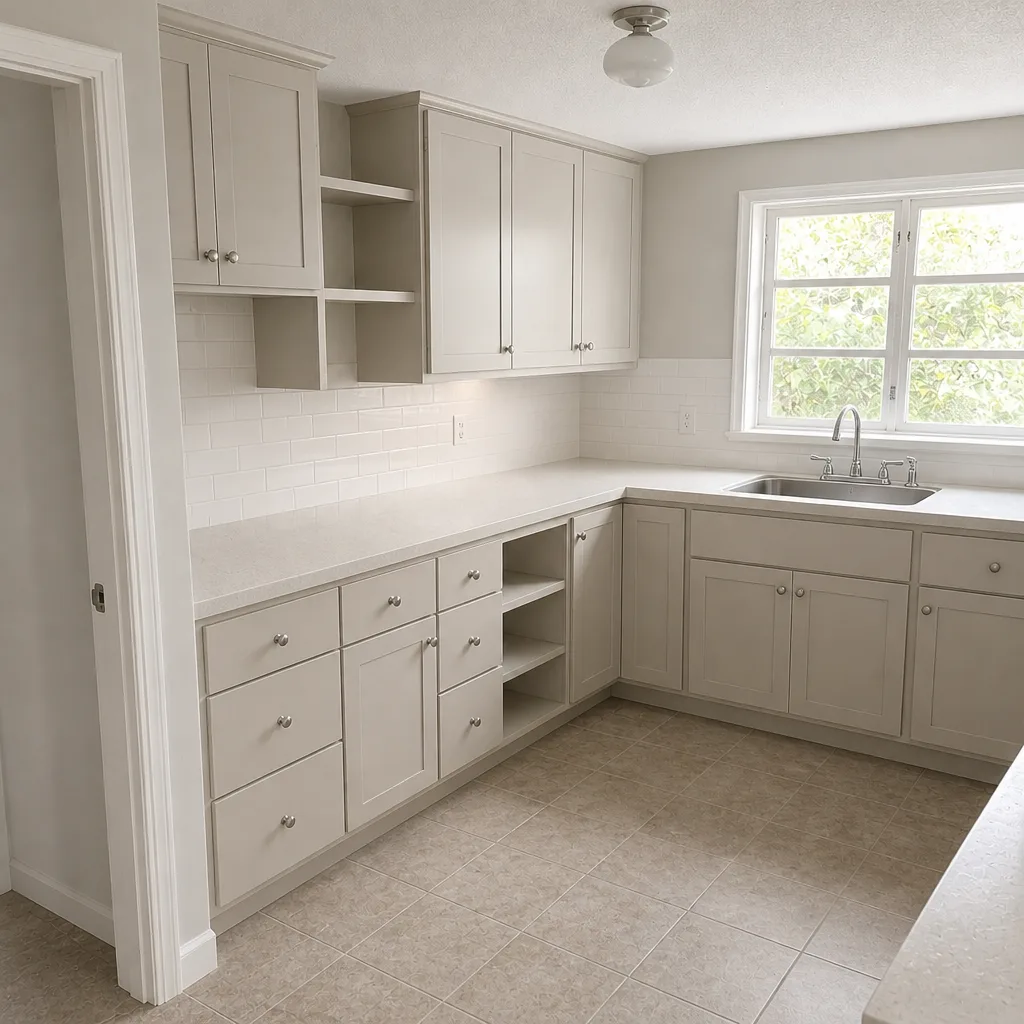 After
When to Call a Professional
Call a licensed remodeling contractor when the job involves structural change, moving plumbing or electrical, permit-required work, or anything behind a wall. That includes moving a load-bearing wall, relocating a shower drain, adding a circuit for a range, replacing framing, or opening up a floor plan. In Kendall, also call when demo reveals mold, when a wet-area tile job shows soft or hollow spots, and when a post-remodel grout crack has moved beyond a hairline. And call anytime a contractor’s price or guarantee is verbal only; that’s not a job to price, it’s a job to walk away from. Penhallow Remodeling Kendall offers free estimates in Kendall. Call (844) 560-5417 to schedule yours.
Frequently Asked Questions

No written line-item price and no written guarantee. Those two missing documents are the most reliable predictor of a price that climbs after demo and a warranty claim that goes unanswered. A contractor can look professional and still fail on both. Ask for both in writing before you sign, and if either is delayed, don’t sign. Call (844) 560-5417 for a free estimate and a written price up front.
Yes, in most cases. Miami-Dade requires building permits for work that touches electrical, plumbing, structural elements, or the waterproofing envelope of a wet area. Cabinet replacement alone may not trigger a permit, but moving a sink, relocating a shower, or opening a wall usually does. Ask the contractor for the permit number before work starts. If they say a permit isn’t needed, verify that with the building department first.
You usually can’t tell with any certainty after the tile is set, which is exactly why the waterproofing specification belongs in the contract. Ask the contractor to name the membrane product before install and to confirm the inspection of the substrate before tile goes down. A legitimate contractor will tell you the product and the sequence without hesitation. If they can’t, ask them to pause and document it before continuing.
Hairline cracks at corner joints are normal movement. Continuous cracks across the field of a floor, or cracks that follow a straight line, usually indicate a substrate or deflection problem and should be treated as a warranty issue, not settling. Document it with photos and call the contractor within the guarantee period. A written guarantee like the 365-Day Done Right Promise is why that call gets answered.
Mid-range bathroom remodels in Kendall typically run $12,000 – $32,000, driven by tile quantity, shower waterproofing method, fixture selection, and whether the plumbing layout is changing. A half-bath refresh can come in well under that; a primary bath with a curbless shower and a moving fixture wall can run higher. Call (844) 560-5417 for a line-item written estimate. Our Bathroom Remodeling in Kendall page details what drives each line.
The job stops, the finding gets documented, and the remediation scope gets written before construction resumes. Cosmetic patching over mold is a warning sign and a future liability. A professional contractor will treat mold discovery as a scope change, not a nuisance. Ask any contractor under consideration how they handle a mold discovery and get that process in writing before you start.
The Bottom Line
The red flags that cost Kendall homeowners the most money are almost never the ones you can see. A missing vapor barrier looks identical to a correct one on day one. A missing permit isn’t visible on a walkthrough. A verbal guarantee disappears the moment the contractor does. The way to catch all of these is to move your attention from the finishes to the paperwork. Demand a written line-item price, a written guarantee, a permit number, and a defined scope with named products and substrates. Then hold your contractor to an inspection schedule and a 60-day walkthrough. Those four checks will save you more than any single cost-saving decision. For a broader look at how we run a remodel from first call to final inspection, start at Penhallow Remodeling Kendall home, or call (844) 560-5417 for a free estimate. Whether you’re pricing a whole-home project or a single-room refresh, the number on day one should be the number on the invoice. That’s a promise we put in writing.
Written by the team at Penhallow Remodeling Kendall.