Last updated November 18, 2026








Free written scope consultation - allowances, timeline, and change-order rules on paper before a single trade is scheduled
How Long Does Home Remodeling Take? Timelines and What to Expect
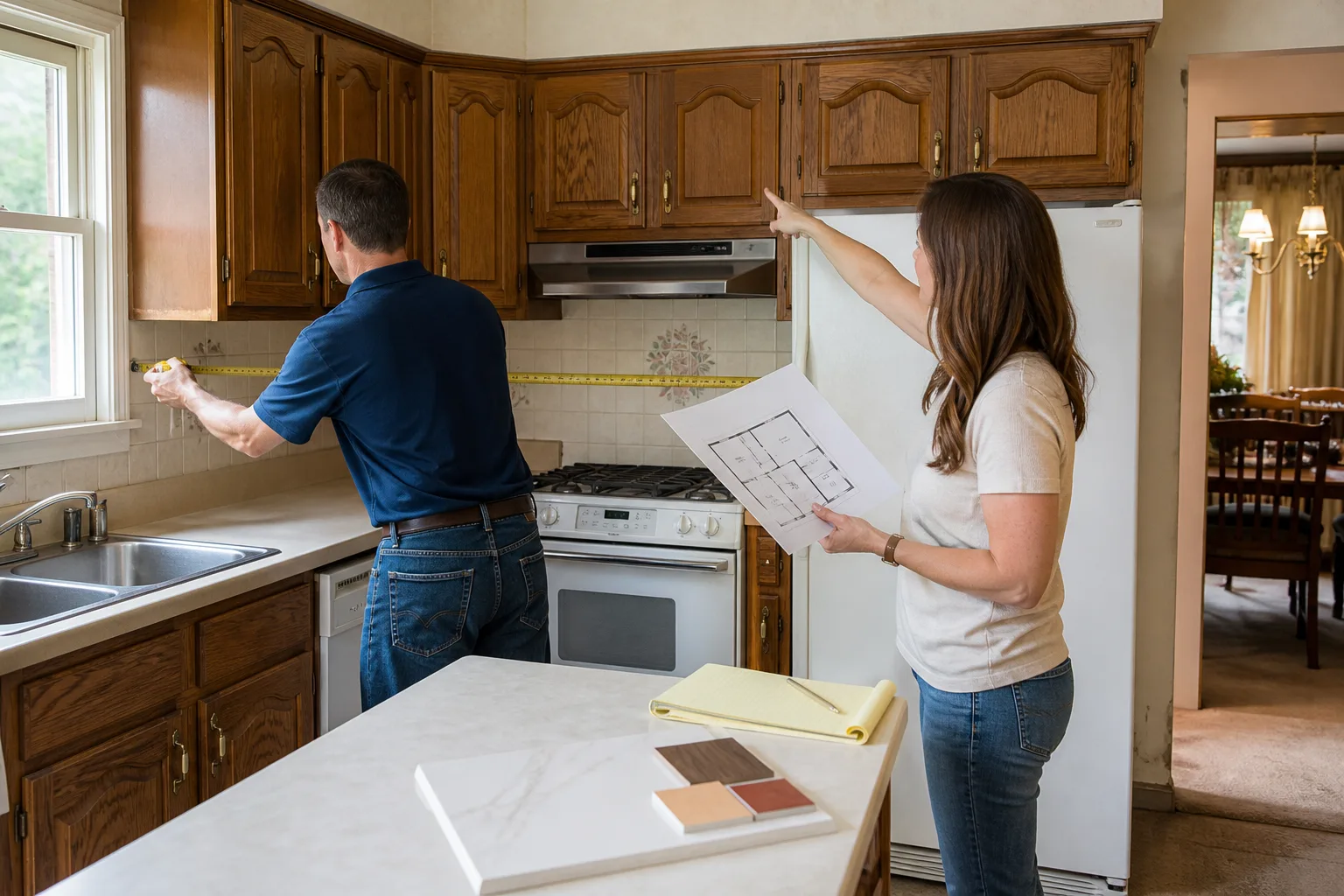
The national average for a kitchen remodel is 6 – 8 weeks. Add Miami-Dade permit wait times and a custom cabinet lead time, and that number moves before a single tool hits your countertop. In Kendall, the honest answer to “how long will this take” depends less on how fast a crew swings a hammer and more on two things a straight contractor will name out loud on day one: how long the county takes to approve your permit, and how long your materials take to arrive. This guide breaks down real timelines by project type, shows you how to read a schedule before you sign, and explains why a “start date” and a “permit-approved start date” are not the same promise. We’ve watched enough Kendall remodels get delayed by surprises nobody mentioned to know the warning should always come first.
Quick Answer
A bathroom remodel in Kendall usually takes 3 – 6 weeks of active construction, a kitchen 6 – 10 weeks, and a whole-home remodel 4 – 8 months. Add permit review time (often 2 – 6 weeks with Miami-Dade County) and specialty material lead times before the first day of work. The realistic calendar is longer than the construction calendar, and any contractor who quotes you only the build phase is leaving out the part that trips people up.
Styles & brands we work with
- Kitchen remodeling
- Bathroom remodeling
- Home additions & ADU
- Roofing
- Windows & doors
- Driveway & pavers
- Fence
Table of Contents
- Timelines by Project Type
- Miami-Dade Permit Timelines by Project Type
- Which South Florida Remodels Consistently Run Long
- How to Read a Contractor’s Schedule Before You Sign
- Start Date vs. Permit-Approved Start Date
- What a Written Arrival Window Actually Means
- What Extends a Timeline Mid-Project
- Common Mistakes to Avoid
- When to Call a Professional
- Frequently Asked Questions
Timelines by Project Type
Here’s the range we give homeowners for active construction time, meaning the days a crew is actually working in your home. This does not count permitting or material ordering, which we break out separately below because they’re the parts that surprise people.
- Guest bathroom refresh (vanity, tile, fixtures, no layout change): 2 – 3 weeks active build.
- Full bathroom remodel (layout change, new shower, plumbing rough-in): 4 – 6 weeks.
- Kitchen remodel, stock or semi-custom cabinets: 5 – 7 weeks.
- Kitchen remodel, custom cabinetry: 7 – 10 weeks, mostly waiting on the cabinet build.
- Whole-home remodel (multiple rooms, systems updates): 4 – 8 months.
For a clearer picture of what fits into each of those windows, our breakdown of bathroom remodeling in Kendall walks through the day-by-day sequence of a full bath, and our kitchen remodeling in Kendall page covers the cabinet-and-countertop ordering sequence in detail. The number that matters most on the kitchen side isn’t the tile or the drywall; it’s the cabinet lead time, which we’ll get to.
Miami-Dade Permit Timelines by Project Type
This is where national averages fall apart. A general article written for the whole country will tell you permits take “a few weeks.” In Miami-Dade County, the real number depends on the project and how complete the submittal is. From what we see on Kendall jobs:
- Cosmetic work (paint, flooring over existing, cabinet refacing) typically needs no permit, so this adds zero time.
- Bathroom remodels that move plumbing or electrical usually require a permit; review commonly runs 2 – 4 weeks after a complete submittal.
- Kitchen remodels with new electrical circuits, plumbing relocations or a gas line change typically run 3 – 5 weeks for review, longer if the submittal comes back with corrections.
- Structural changes, additions or electrical panel upgrades can run 4 – 6 weeks or more, and panel upgrades often need a separate electrical permit and inspection.
- Impact window and door replacements need product approval documentation and can stretch past 6 weeks if paperwork is incomplete.
The single biggest variable is the completeness of the submittal. A plan set that’s missing a product approval sheet or a load calculation sits in the correction cycle, and each correction cycle adds time. A contractor who has pulled permits in this county knows which details trip the review and front-loads them. Ask about it. If the answer is “permits are quick,” ask how quick and for what.
A note on inspections
Approval is only the start. Inspections happen at set points during construction – rough-in, then final – and each one needs to be requested and scheduled. Building inspection scheduling in a busy county can add several days per inspection, and a failed inspection costs time on the re-inspection. This is routine, not a crisis, but it’s real calendar time that belongs in the schedule.
Which South Florida Remodels Consistently Run Long
Some categories run long here for reasons specific to this market. Knowing them in advance is how you avoid a nasty surprise.
Tile work
Large-format tile and specialty stone are slower to set than standard ceramic, and South Florida’s humidity means thinset and grout cure times can stretch. A kitchen backsplash that’s “a weekend job” for a standard tile can run longer when the tile is 24-by-48 porcelain or a natural stone. We’ve seen Kendall homeowners pick a beautiful large-format floor tile and then get frustrated that the crew is moving slowly – the crew isn’t slow, the tile demands a different pace.
Impact windows and doors
Impact-rated products are required or strongly preferred across much of South Florida, and the combination of product approval paperwork and manufacturing lead times means these projects almost always take longer than a homeowner expects. Lead times on impact windows can run 8 – 16 weeks in a busy market. The install itself is quick; the wait for the product is not.
Electrical panel upgrades
An older Kendall home with a 100-amp panel often needs an upgrade before a modern kitchen or bath can be wired safely. That’s a separate permit, a separate inspection, and sometimes a utility coordination step. It adds weeks, and it’s the kind of thing a written scope should flag before demo, not after.
How to Read a Contractor’s Schedule Before You Sign
A written schedule is only useful if you can tell whether it’s realistic. Here’s how to read one like someone who’s seen a few.
- Look for a pre-construction phase. A schedule that starts at demo is hiding the permit and material lead times. A real one starts with permitting, ordering and a lead-time table.
- Check that cabinet, tile and fixture lead times appear as line items. If your custom cabinets have a 10-week lead time, the schedule should say so, and the start of cabinet install should reflect it.
- Look for inspection milestones. Rough-in inspection, electrical inspection and final inspection should be on the calendar, not implied.
- See whether “start date” is defined. Ask directly: is this the demo date, or the permit-approved start date? (More on that below.)
- Check the buffer. A schedule with zero slack for weather, corrections or inspection delays is a schedule that will slip. A realistic one has a few days of float built in.
For the bigger picture on how a contractor should run a job start to finish, our page on the general contractor in Kendall role explains what a general contractor actually manages and why the schedule is one of those things.
Start Date vs. Permit-Approved Start Date
These are not the same thing, and the difference has cost homeowners real money and real frustration.
A “start date” is the day a contractor plans to begin. A “permit-approved start date” is the first day work can legally begin – the day after the permit is issued. If a contractor quotes you a start date that ignores permit review time, they’re either guessing or hoping. Either way, the date will move, and typically it moves the week you took off work to be home for demo.
The honest version names both dates, or names a start date that already accounts for permit review. On a kitchen with a 3 – 5 week permit timeline and a 10-week cabinet lead time, a contractor who says “we start in two weeks” is telling you something about how they plan. That’s a warning sign worth paying attention to before you sign, because the same person who fudges the start date will fudge the schedule when a tile delivery is late.
What a Written Arrival Window Actually Means
A multi-week remodel is made of many small arrivals, and the daily reliability part is where the promise lives or dies. A written arrival window means the crew tells you when they’ll be there – a real window, not “sometime Tuesday” – and then shows up inside it. Over a five-week job, that habit is what keeps the timeline on track, because each day’s work sets up the next.
Under The Kingswell Way, which has set the standard since 2004, every project gets a written price before any work starts, a defined arrival window, and a clean job site, and the company is covered by the 365-Day Done Right Promise: if the work fails inside the guarantee period, they come back and fix it at no charge. That’s not a slogan. It’s a written commitment you can hold a contractor to, and it’s the kind of thing you should ask every contractor about before signing. If a contractor hands you a verbal estimate that changes at the door, the arrival window is likely to be just as loose. A written price and a written guarantee, by contrast, tend to come from a contractor who plans the calendar the same way.
What Extends a Timeline Mid-Project
Even a well-planned schedule can slip. The usual culprits:
- Hidden conditions after demo. Water damage behind a shower wall, outdated wiring, or a floor that’s not level – these surface at demo and change scope. A contractor who warns you this is possible and prices the change in writing is doing it right.
- Material backorders. A tile or fixture discontinues or backorders. Ordering early and confirming stock before demo reduces this risk.
- Inspection corrections. A rough-in inspection that flags an issue means a fix and a re-inspection.
- Change orders. Adding a niche, moving a fixture, changing a cabinet line – every change adjusts the calendar. Asking for changes before the affected phase starts, not after, keeps the schedule intact.
Free estimates and written line-item quotes matter here too: a scope that lists what’s included and what isn’t prevents the “we didn’t know that was extra” conversation at week four.
Common Mistakes to Avoid
- Treating a national average as your timeline. A 6 – 8 week kitchen average ignores Miami-Dade permit review and custom cabinet lead times. Ask for a Kendall-specific timeline, not a national one.
- Accepting a start date that ignores permits. If the date doesn’t account for permit review, it’s a guess. Ask when the permit will be approved and set the start date after that.
- Ordering cabinets after demo. Cabinets are often the longest lead item. Ordering them before demo keeps the schedule honest, even with KraftMaid or Wellborn lines.
- Picking large-format tile without asking about pace. A 24-by-48 porcelain floor is beautiful but slower to set. Ask the schedule impact before you fall in love with it.
- Ignoring a panel upgrade until the wiring phase. An old 100-amp panel may need an upgrade with its own permit. Flag it in pre-construction, not at rough-in.
- Skipping the written schedule entirely. A verbal “we’ll be done in six weeks” is not a schedule. Ask for it in writing, with lead times and inspection milestones.
- Changing scope mid-phase. Requesting changes after the affected phase has started reliably adds time. Make them before the phase begins and confirm any price impact in writing.
When to Call a Professional
Some timelines you can manage yourself – painting a bedroom, swapping a faucet. Others need a licensed pro and a written plan before a single tool comes out. Call a professional when your project involves moving plumbing or electrical, changing a layout, upgrading an electrical panel (never a DIY job – panel work is genuinely dangerous and belongs to a licensed electrician), installing impact windows with product approval requirements, or any remodel where the permit is part of the process. If you’re comparing contractors and want a realistic timeline in writing – not a national average – that’s also a reason to call. Penhallow Remodeling Kendall offers free estimates in Kendall – call (844) 560-5417. A live person answers the phone, and you’ll get a written price and a written schedule before you commit.
Frequently Asked Questions
Expect 6 – 10 weeks of active construction in Kendall, plus 3 – 5 weeks for Miami-Dade permit review and the cabinet lead time if you’re going custom. Stock or semi-custom cabinets run shorter than custom. The construction calendar is the shorter number; the full calendar to a finished kitchen is longer. Call (844) 560-5417 for a written timeline for your specific kitchen.
Yes, if the work moves plumbing or electrical, which most full bathroom remodels do. Cosmetic updates like paint or a cabinet refacing generally don’t need a permit. Miami-Dade County review for a full bathroom typically runs 2 – 4 weeks after a complete submittal. Ask your contractor to pull the permit and confirm the approval date in writing. Call (844) 560-5417 with questions about your project.
It shouldn’t if the scope and price are in writing before work starts. Hidden conditions found after demo – water damage, outdated wiring – can change scope, and any change should be priced in writing before the work proceeds. A written line-item quote is how you protect yourself. Call (844) 560-5417 for a written price before you commit.
The install itself is quick, but the total timeline is dominated by product approval paperwork and manufacturing lead times, which can run 8 – 16 weeks in a busy market. Plan for the wait, not the install. Call (844) 560-5417 to talk through a realistic window timeline for your Kendall home.
A start date is the day a contractor plans to begin; a permit-approved start date is the first day work can legally begin. They differ by the permit review time, which for Miami-Dade County is often 2 – 6 weeks depending on the project. A contractor who tells you both is being straight with you. Call (844) 560-5417 for a schedule that accounts for both.
Yes. Under The Kingswell Way, every project gets a written price before any work starts, and that includes a written schedule with permit review, material lead times and inspection milestones. It’s the same standard behind the 365-Day Done Right Promise and the free return visit if a repair fails. Call (844) 560-5417 to schedule your free estimate and get it in writing.
The Bottom Line
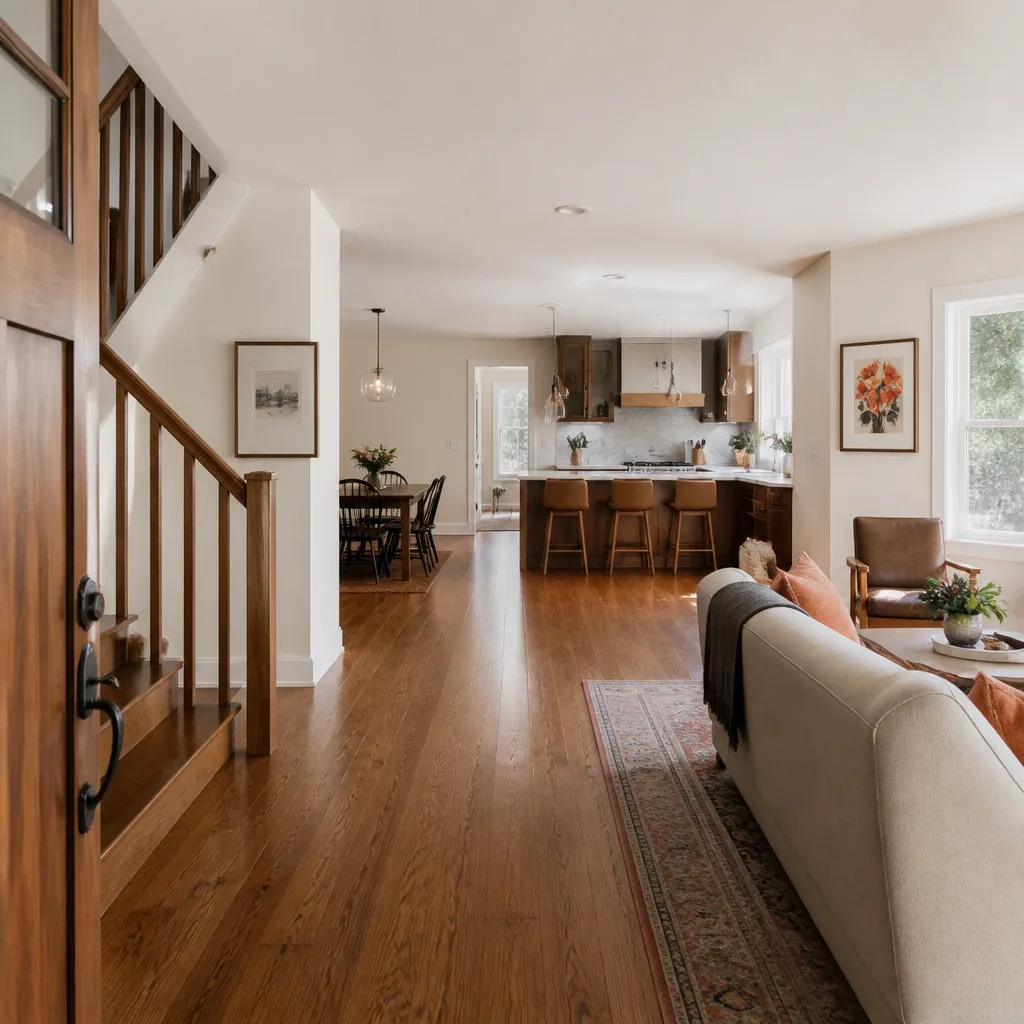
Timeline overruns in Kendall almost always trace to two things: Miami-Dade permit processing and specialty material lead times. A kitchen takes 6 – 10 weeks of active construction, a bathroom 3 – 6 weeks, a whole-home remodel 4 – 8 months, and the full calendar to a finished project adds permit review and ordering time on top. The contractor who tells you both dates, shows a written schedule with lead times and inspection milestones, and puts the price and the guarantee in writing before work starts is the one who will keep the promise. The one who quotes a national average and a start date that ignores permits will not.
For more on what a Kendall remodel involves from start to finish, start with our Penhallow Remodeling Kendall home page, or go straight to Bathroom Remodeling in Kendall and Kitchen Remodeling in Kendall for the project-specific breakdowns.
Call (844) 560-5417 for a free estimate. A live person answers 24/7, you’ll get a written price before any work starts, and every project is backed by the 365-Day Done Right Promise – if it’s not done right, we make it right, in writing.
Written by the team at Penhallow Remodeling Kendall.
See the difference
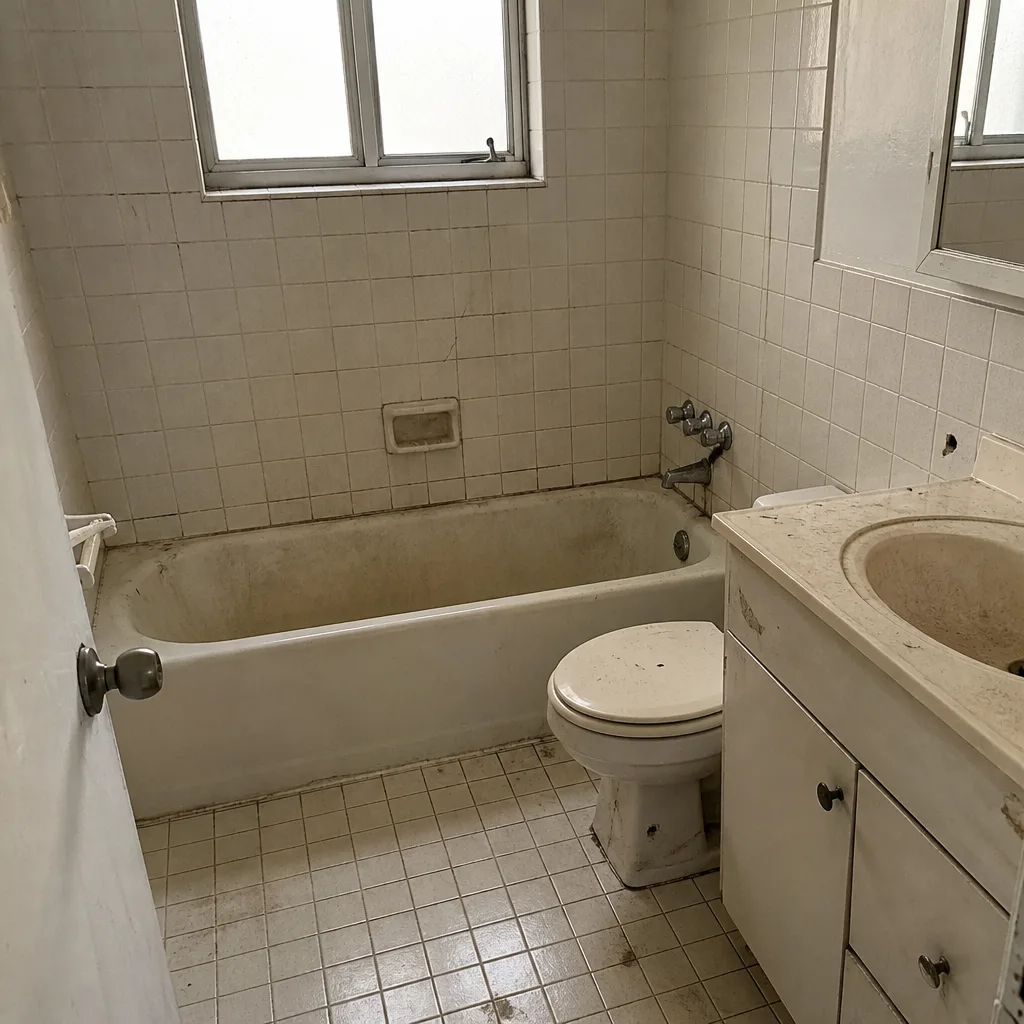 Before
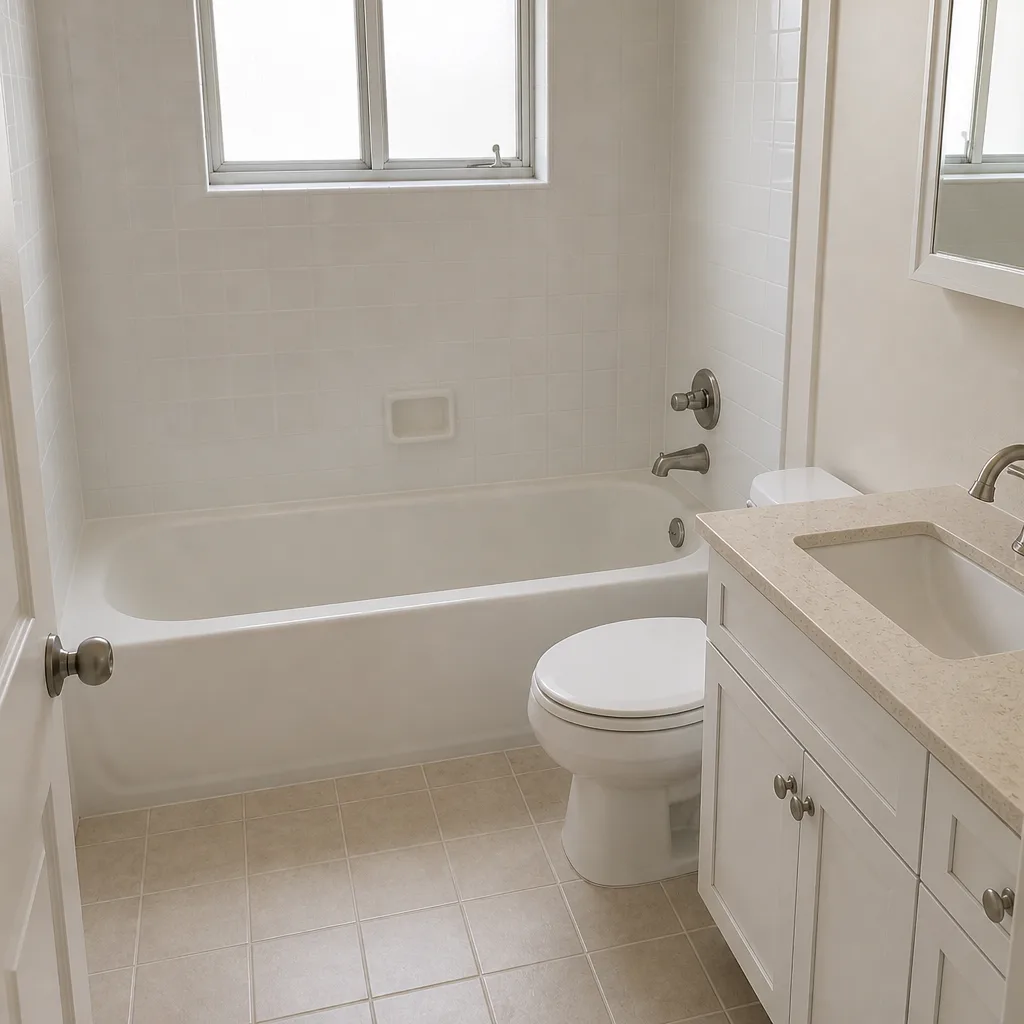 After
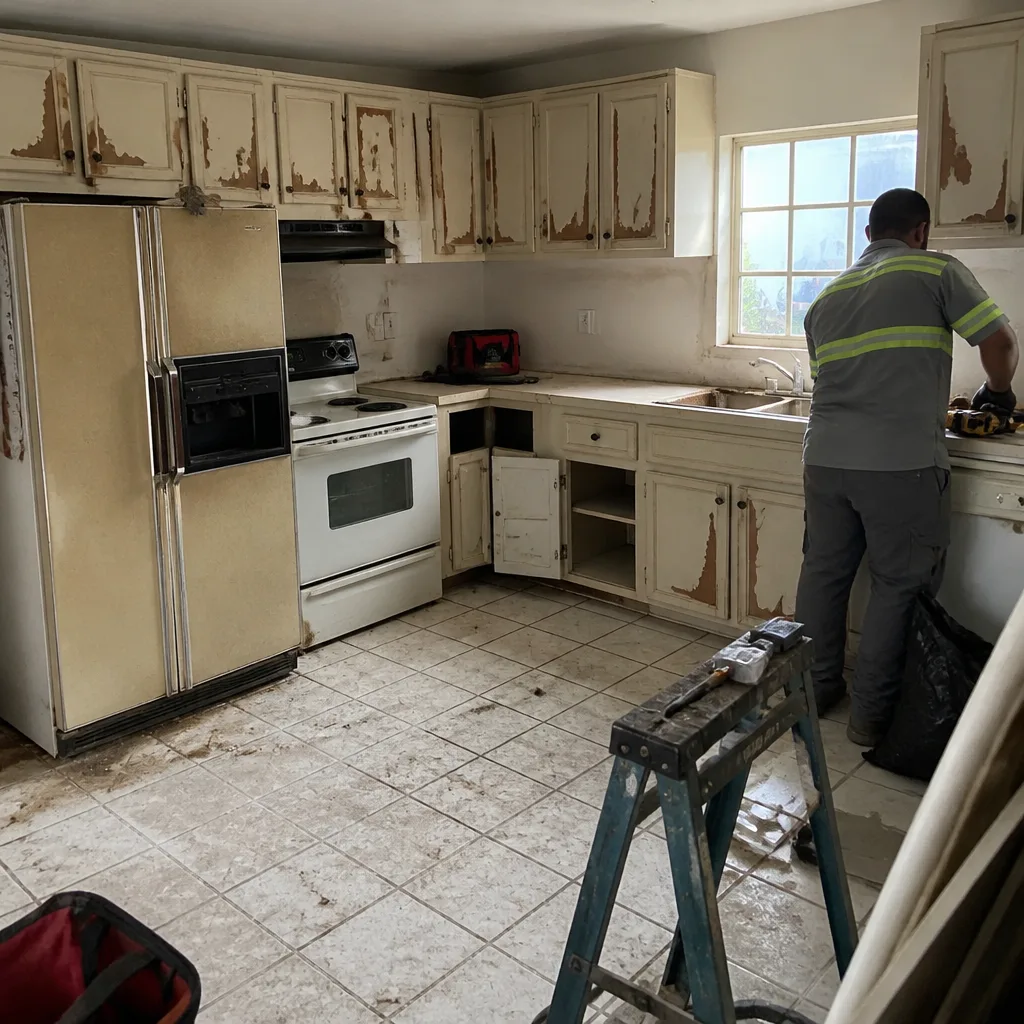 Before
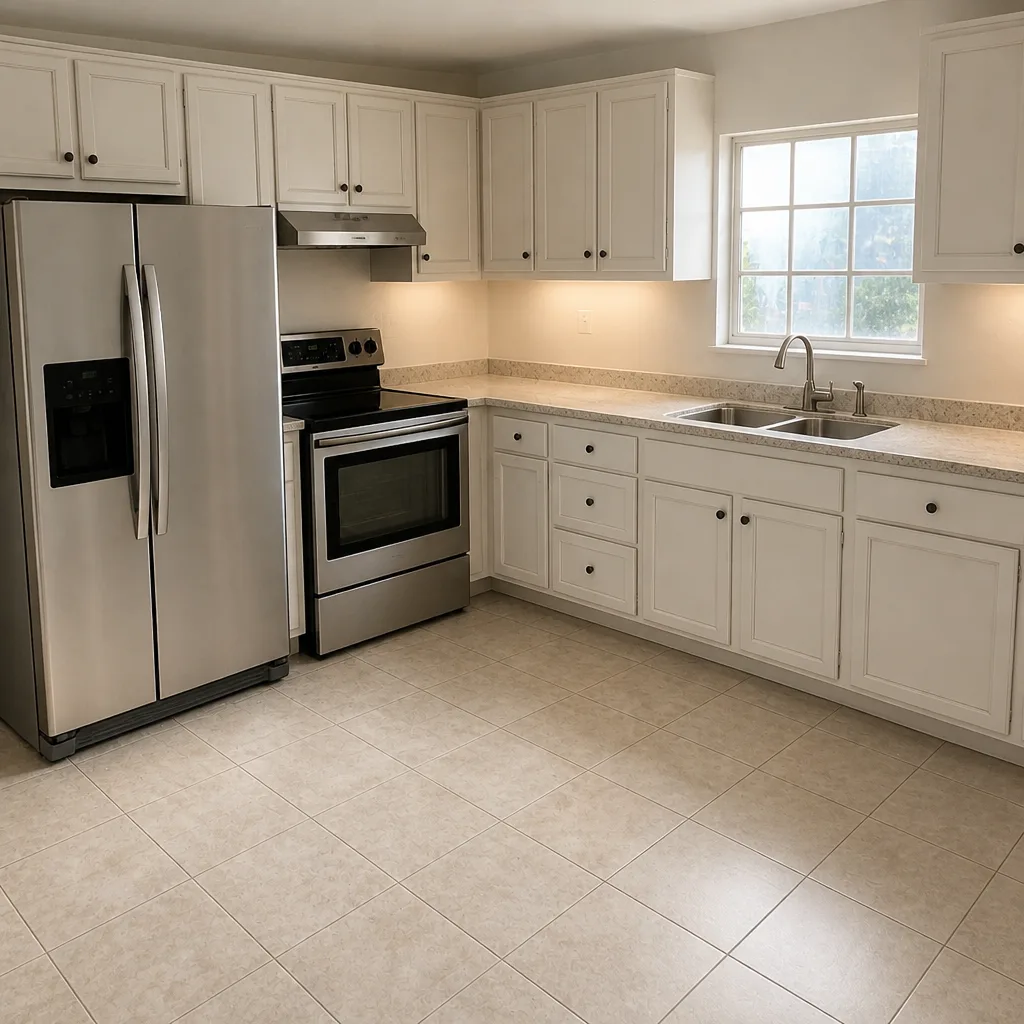 After
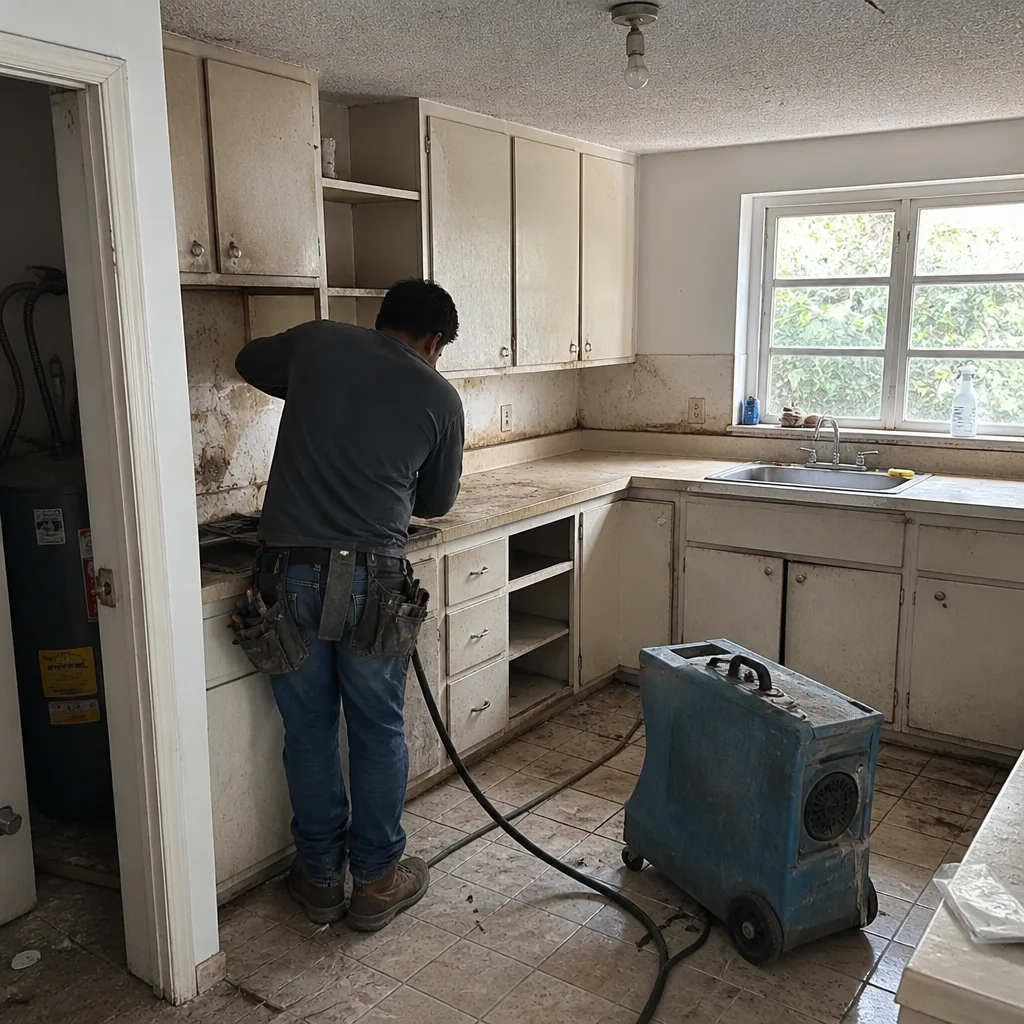 Before
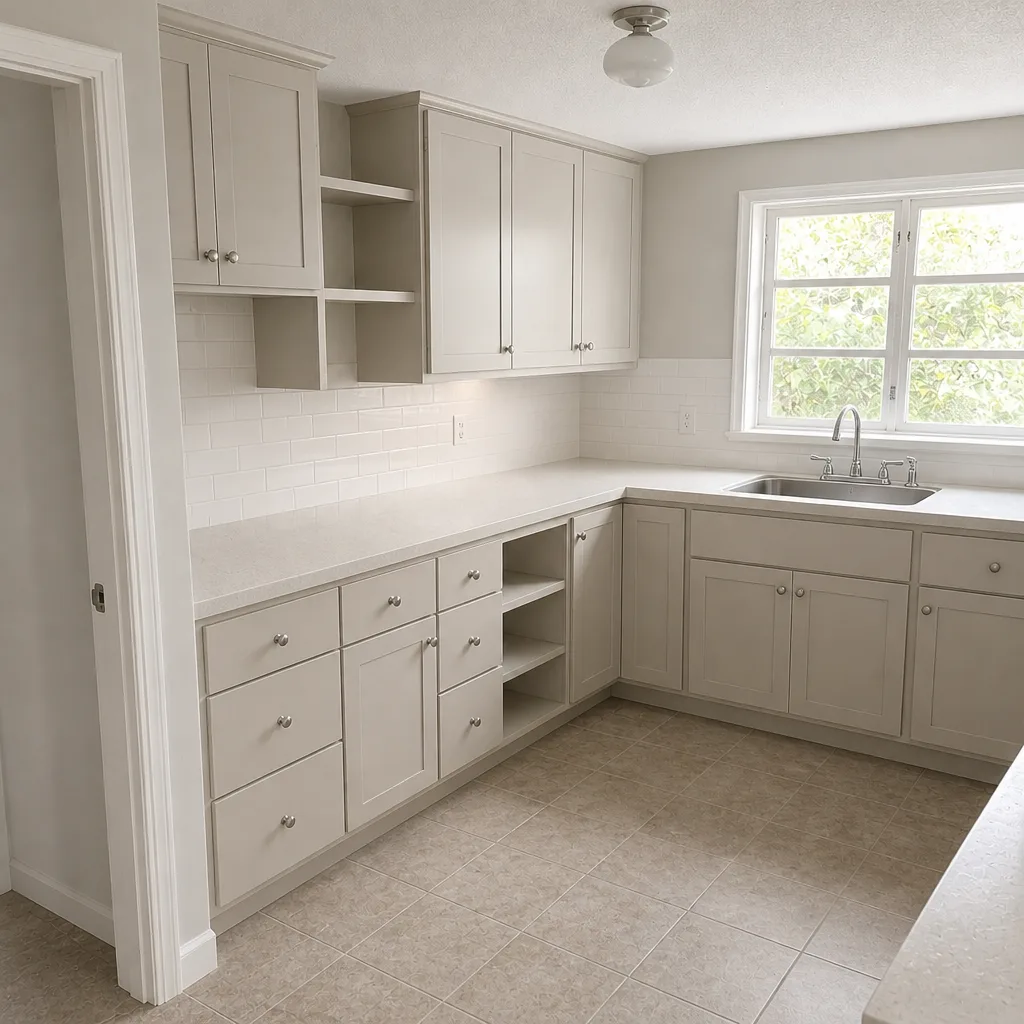 After