Last updated November 18, 2026







Free written scope consultation - allowances, timeline, and change-order rules on paper before a single trade is scheduled
How Long Does General Contractor Take? Timelines and What to Expect
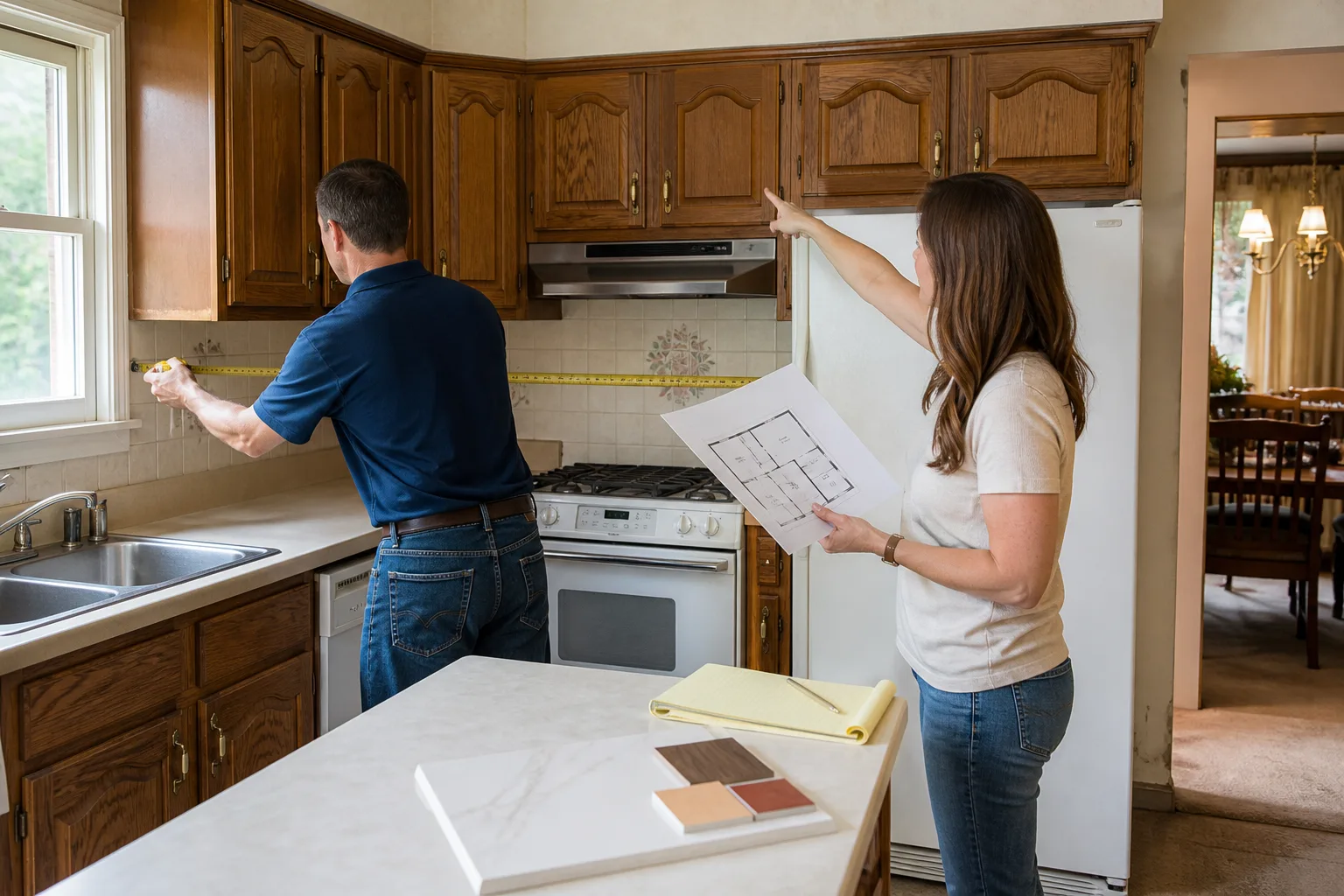
A kitchen remodel that takes four weeks of physical labor can take four months from signed contract to final inspection in Miami-Dade County, and the gap isn’t your contractor’s fault. It’s the queue. Permits get reviewed, inspections get scheduled, and the calendar fills up while perfectly good crews wait for a sign-off they can’t speed up with a hammer. If you’re planning a project in Kendall or anywhere across South Florida, the timeline that matters isn’t the one on the labor estimate. It’s the one that accounts for Miami-Dade’s permit system, hurricane season, and material lead times. This guide breaks down realistic timelines by project type, what runs in parallel and what can’t, and the questions to ask before you sign anything.
Quick Answer
Most home remodels in Miami-Dade take six weeks to three months of physical construction, but plan on 3 to 6 months from contract signing to final inspection once you build in permit review, inspection scheduling, and material delivery. A bathroom can run 8 to 14 weeks door to door; a kitchen 4 to 6 months; a whole-home remodel 6 to 12 months or more depending on scope and permit complexity.
Styles & brands we work with
- Kitchen remodeling
- Bathroom remodeling
- Home additions & ADU
- Roofing
- Windows & doors
- Driveway & pavers
- Fence
Table of Contents
- Why the Permit Queue Controls Your Timeline
- Realistic Timelines by Project Type
- What Runs in Parallel and What Has to Wait
- Hurricane Season, Heat, and Port of Miami Lead Times
- What a Written Project Schedule Should Include
- Red Flags That a Promised Timeline Is Fiction
- Questions to Ask Before You Sign
Why the Permit Queue Controls Your Timeline
In most of the country, the bottleneck on a remodel is labor. Here it’s the permitting pipeline. Miami-Dade County reviews thousands of residential permits a year, and the review plus inspection schedule can eat four to eight weeks before a single board is cut, depending on the scope and whether the plans need corrections on the first pass. When plans come back with comments – and they often do – that add another two to four weeks to the front of the project.
The inspections themselves aren’t the problem. The scheduling is. Once framing, rough electrical, rough plumbing, and drywall are ready, each phase needs a county inspector before the next can begin. Miss a window and you might wait days for the next available slot. In Kendall, where we’ve seen dozens of kitchen and bathroom projects move through the county process, the smartest schedule treats inspections as hard calendar events, not afterthoughts.
Anyone promising you a fast kitchen or bathroom timeline without acknowledging the permit calendar is either skipping the permit (which creates a problem at resale) or guessing. You can read more about how we handle permitting on our General Contractor in Kendall page.
Realistic Timelines by Project Type
Here’s what we’ve seen hold up across Kendall and the surrounding neighborhoods, based on the current permit environment. Ranges are total elapsed time from signed contract to passed final inspection, not just construction days.
- Bathroom remodel: 8 to 14 weeks. Permit review 2 to 4 weeks, construction 3 to 6 weeks, inspections 1 to 2 weeks.
- Kitchen remodel: 4 to 6 months. Permit review 3 to 5 weeks, construction 6 to 10 weeks (longer if cabinets are custom), inspections 2 to 3 weeks, plus cabinet and countertop lead times.
- Whole-home remodel: 6 to 12 months or more. Multiple permit phases, phased inspections, and longer material windows stack up.
- Structural additions: 8 to 14 months. Engineering, plan review, and multiple inspection milestones each carry their own timeline.
If you’re specifically weighing a bathroom project, our Bathroom Remodeling in Kendall page walks through the fixtures, tile, and waterproofing stages that drive those weeks. Kitchens follow a similar pattern but with more moving parts – see Kitchen Remodeling in Kendall for the cabinet and countertop sequencing that matters most.
What Runs in Parallel and What Has to Wait
The single biggest scheduling mistake is assuming everything can happen at once. Some phases genuinely overlap. Many can’t, and pretending otherwise is how timelines fall apart.
Phases that can run in parallel:
- Cabinet and countertop ordering while framing is underway.
- Fixture selection and ordering while the permit is still in review.
- Painting of adjacent, unaffected rooms during the same window.
- Exterior siding or roofing work on a separate portion of the home, if permits allow.
Phases that must be sequential:
- Permit approval before demolition begins.
- Demolition before framing.
- Rough electrical, plumbing, and HVAC before insulation and drywall.
- Rough inspection sign-off before drywall.
- Drywall and finish prep before tile, trim, and paint.
- Cabinet install before countertop template and fabrication.
- Final inspection after all finishes, fixtures, and punch-list work.
Every one of those “before” relationships is a place where schedule slippage hides. When we put together a schedule for a Kendall project, we flag those dependency points explicitly so you know what’s driving the date. If a contractor’s schedule doesn’t show them, you’re looking at a guess dressed up as a plan.
Hurricane Season, Heat, and Port of Miami Lead Times
National timeline guides assume weather is a non-issue and materials show up in two weeks. That’s not the reality in Kendall. Three local factors quietly reshape every schedule.
Hurricane season (June 1 to November 30): Exterior work – roofing, siding, window replacement – gets compressed into a narrow spring or fall window. A storm anywhere in the Atlantic basin can trigger job-site shutdowns, material backlogs, and a surge of emergency repair work that delays scheduled remodels. Interior projects are safer bets during hurricane season, which is one reason summer is often a good time for a bathroom.
Summer heat and humidity: Tile adhesive, paint, and drywall mud all cure at different rates in South Florida’s climate. Crews working in unconditioned spaces during July and August can lose days to cure times that extend beyond what a northern-climate schedule anticipates. We plan extra buffer into summer interior work for exactly this reason.
Material lead times: Cabinets, windows, and specialty tile often arrive through the Port of Miami. Door-to-door lead times on KraftMaid or Wellborn cabinetry can run six to ten weeks longer than a general contractor‘s stock catalog implies. James Hardie siding and Therma-Tru doors typically come in faster, but roof shingles from Owens Corning or IKO can run long after hurricane season. Ask for lead times in writing, with a delivery window range, not a single date.
What a Written Project Schedule Should Include
A timeline promised verbally isn’t a schedule. It’s a wish. Every serious project should get a written schedule that lists specific milestones, not just a start and end date. Here’s what ours include, and what you should expect from any contractor in Kendall.
- Contract signing date – the real start of the project clock.
- Permit submittal and expected approval window – with a range, not a single date.
- Demolition start date – only after permit approval.
- Inspection milestones – named individually: rough electrical, rough plumbing, framing, drywall, final.
- Material delivery windows – cabinets, counters, tile, fixtures, each with a range.
- Buffer windows – explicitly marked gaps for weather, inspection delays, and material slips.
- Punch-list and final inspection completion target – the date you actually care about.
- Written change-order process – how the schedule gets adjusted if scope changes mid-project.
At Penhallow, every schedule comes with the written price attached, under the Kingswell Guarantee: say the price before the work, show up in the window, leave the place cleaner than we found it, and back the whole thing with a written guarantee. The 365-Day Done Right Promise means if something fails in the first year, we come back and fix it at no charge. That’s not a scheduling detail, but it’s part of why we schedule honestly in the first place – a project that drags on because someone guessed at inspection dates is a project we’d have to fix twice.
Red Flags That a Promised Timeline Is Fiction
Most bad timelines share a small set of tells. If you hear any of these during a bid, ask harder questions before signing.
- “We’ll pull permits later.” Skipping the permit stage doesn’t save time – it dumps the whole review onto the back of the project, or creates a resale problem later.
- A single-date completion promise. Any project with inspections and material deliveries deserves a range, not one date. A contractor giving you one number is guessing.
- “We’ve never had a permit take longer than two weeks.” Either they’re working outside the county process, or they haven’t tracked it carefully. Ask for examples with addresses you can verify.
- No inspection dates listed. If the schedule skips the inspection checkpoints, it’s a labor estimate wearing a schedule’s clothes.
- “Materials will be here whenever we need them.” Ask specifically about cabinet and countertop lead times – a real contractor has recent dates from KraftMaid, Wellborn, Cambria, or Silestone.
- Verbal-only timelines. If it isn’t written into the contract, it doesn’t exist.
- No mention of hurricane season. In South Florida, any exterior project that doesn’t acknowledge June through November is a timeline built for a different state.
Questions to Ask Before You Sign
A few minutes of questions before signing can save weeks later. These are the ones we recommend every homeowner in Kendall ask any contractor they’re considering.
- How many weeks is your current permit review experience in Miami-Dade? Ask for a recent example.
- Who handles the permit application and inspection scheduling, and how do you track it?
- What inspection milestones are written into my schedule?
- What’s the current lead time on cabinets, countertops, and specialty tile from your suppliers?
- What’s the buffer window for weather and inspection delays?
- How do change orders affect the written schedule?
- What’s your written guarantee, and how long does it last after final inspection?
If a contractor can’t or won’t answer these on paper, walk. If they can, you have a schedule you can actually plan your life around. To see how we approach the broader project, our Penhallow Remodeling Kendall home page covers the guarantee and standards in more detail.
Common Mistakes to Avoid
- Booking a move-in date off the labor estimate. The four weeks of tile and cabinet work is real, but the permit and inspection stages around it can double or triple that. Plan for the full elapsed timeline, not the construction window.
- Choosing a contractor by lowest bid without asking about permits. A contractor bidding outside the Miami-Dade permit process is cheaper for a reason – and the cost shows up at your appraisal or resale.
- Selecting tile after demolition. Tile ordered in week three of construction adds two or three weeks of waiting. Pick finishes during permit review so they arrive when you need them.
- Scheduling exterior work in August. Hurricane season in South Florida is real. If you can move a roofing or siding project to spring or November, do it.
- Assuming a verbal timeline is a contract. Get the schedule written into the contract with inspection milestones and buffer windows. If the contractor won’t commit, that’s the answer.
- Forgetting that Kendall homes are often on slab foundations with older plumbing. Older Kendall neighborhoods sometimes turn up cast-iron drain lines that need replacing once walls open, which adds a week and an inspection. Ask about it during the bid phase.
- Not asking about the change-order process. If a change comes up mid-project (and it usually does), knowing how the schedule adjusts is what keeps the whole timeline honest.
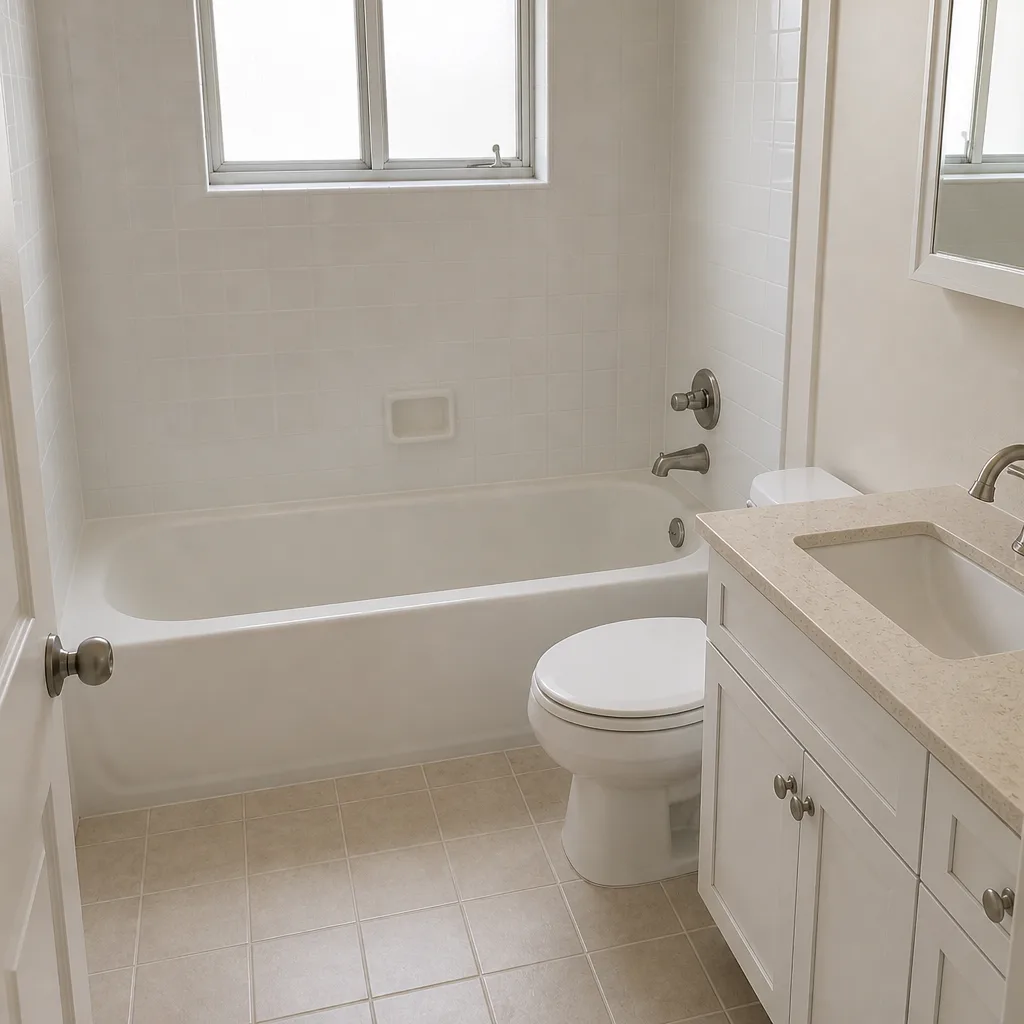
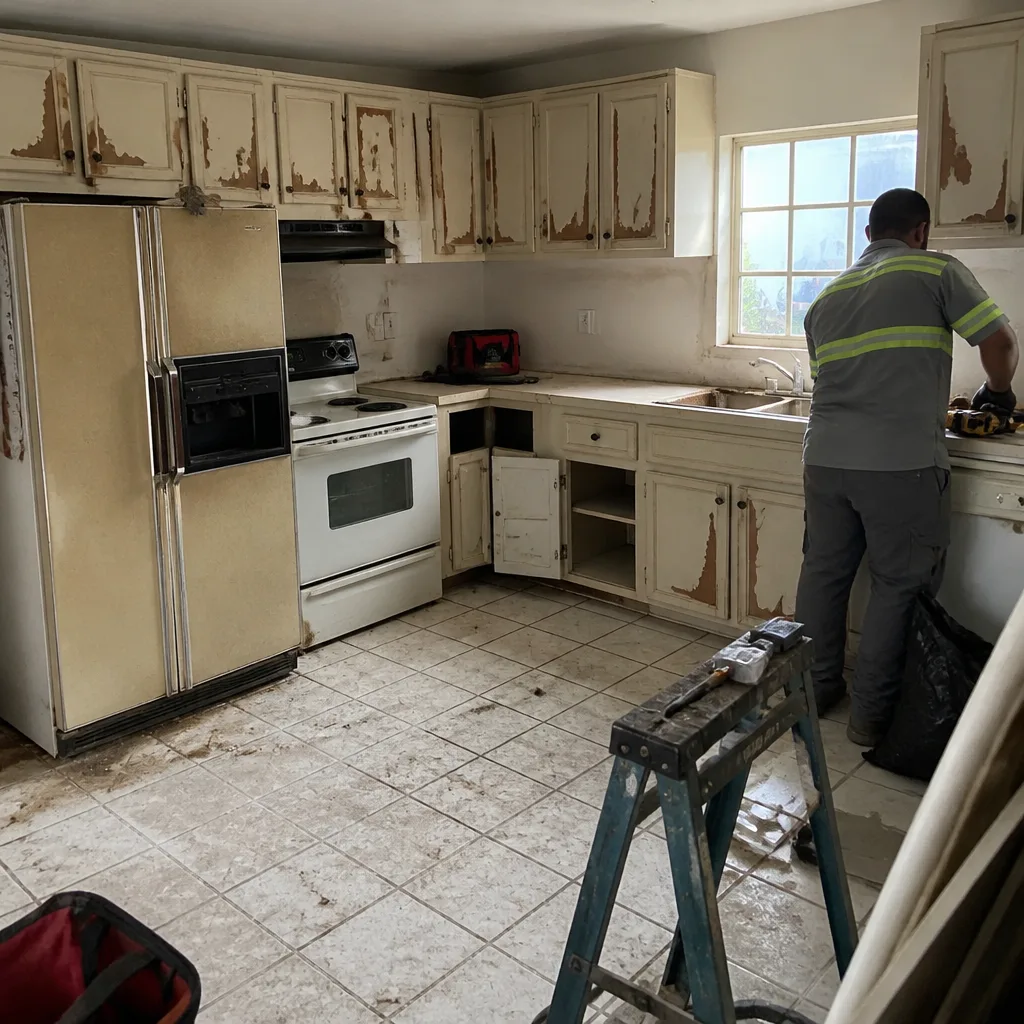
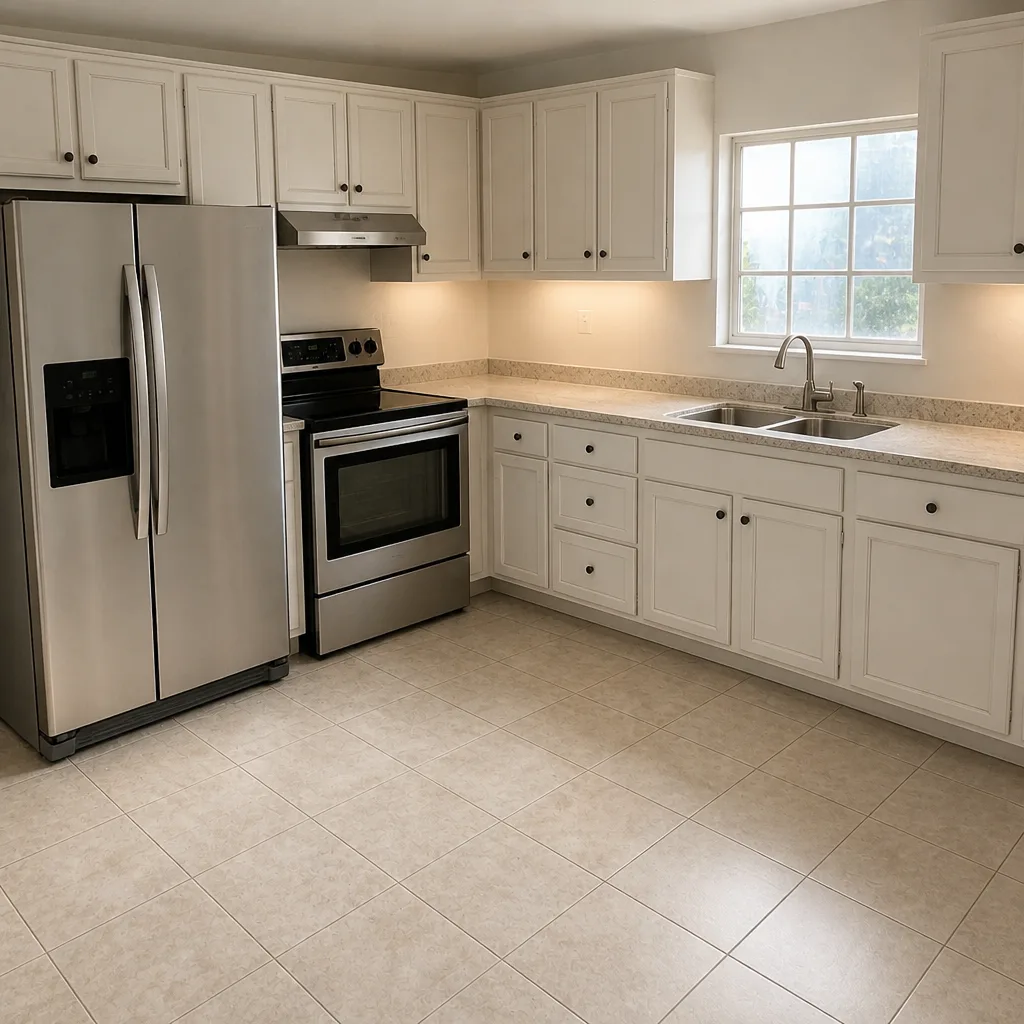
See the difference
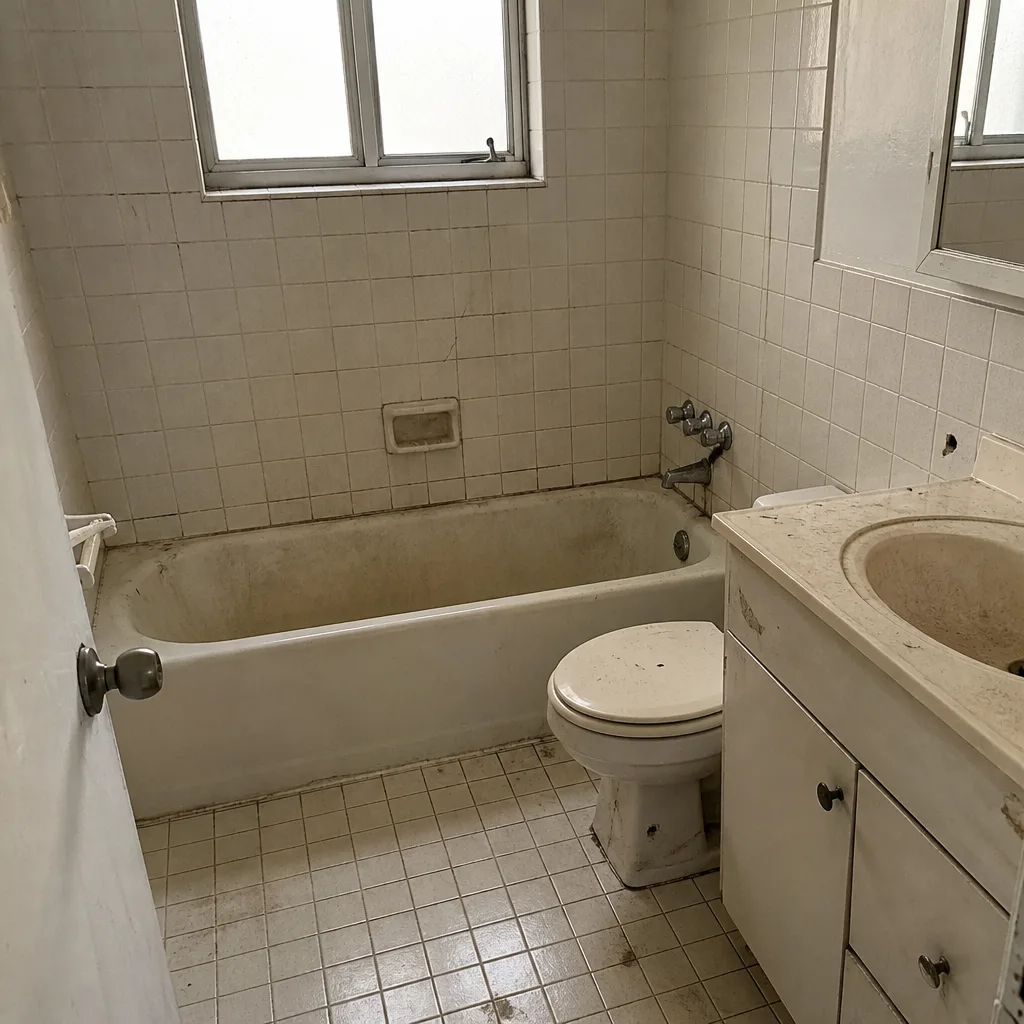 Before
 After
 Before
 After
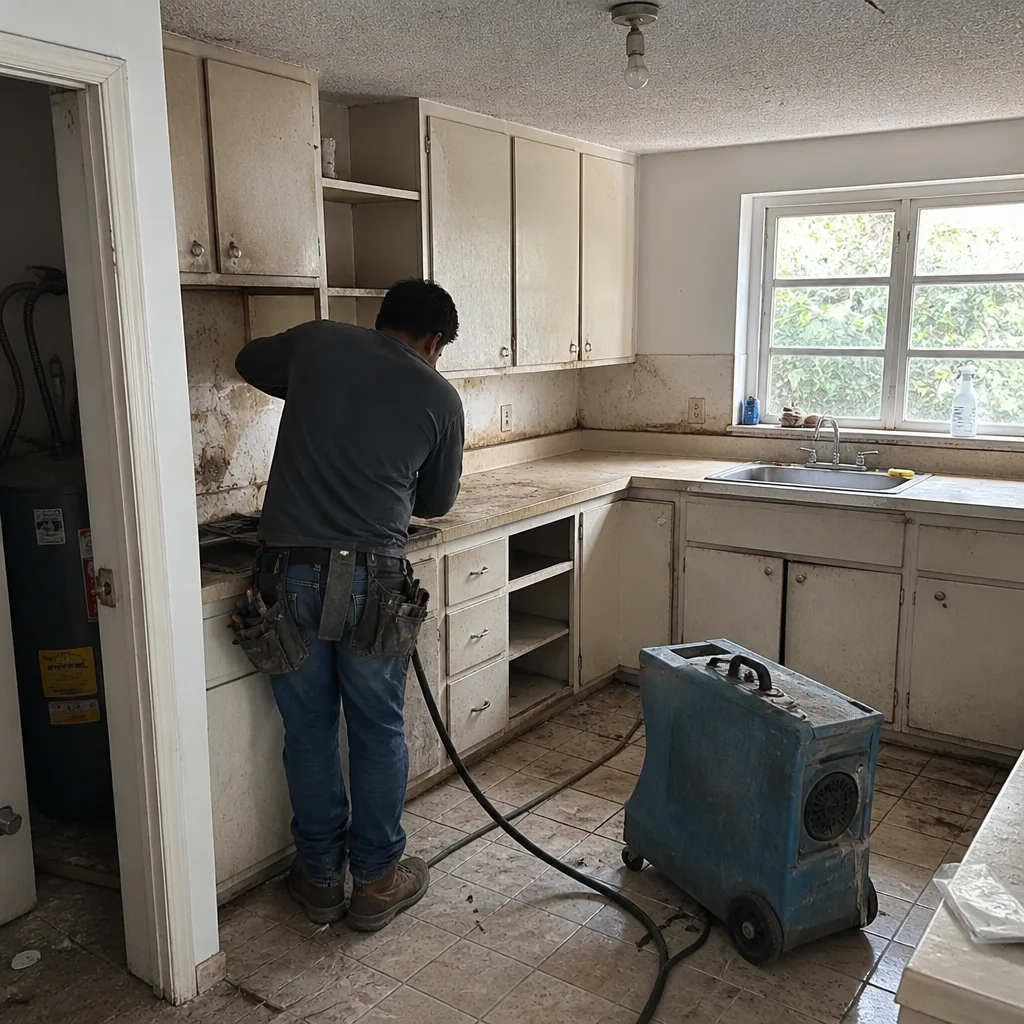 Before
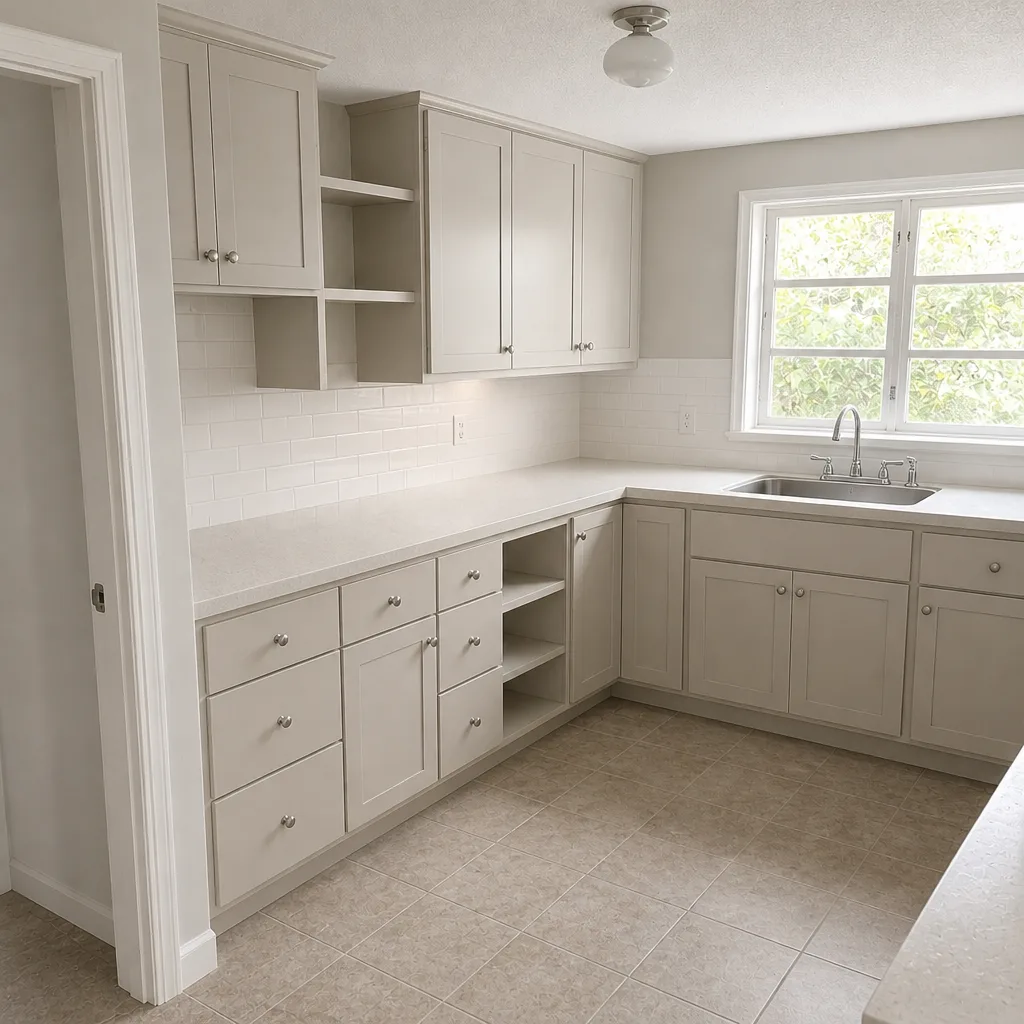 After
When to Call a Professional
If you’re pricing a kitchen, bathroom, or whole-home remodel in Kendall, or you’ve been quoted a timeline that felt too good to write down, it’s worth a second conversation. The permit, inspection, and material scheduling alone can change by weeks depending on when you start and what’s in scope – and a written schedule built around a real Miami-Dade County timeline is far better than a verbal one built around a guess. Our technicians have up to 22 years of experience scheduling projects through the Kendall market, which means we’ve seen what happens when a timeline ignores the queue. Penhallow Remodeling Kendall offers free estimates in Kendall – call (844) 560-5417 to schedule yours.
Frequently Asked Questions

A kitchen remodel in Kendall typically takes four to six months from signed contract to final inspection. Construction alone runs six to ten weeks, but permit review (three to five weeks) and cabinet and countertop lead times add several more. Call (844) 560-5417 for a written timeline built around your specific scope.
Miami-Dade County reviews thousands of residential permits and each plan review can come back with corrections that add two to four weeks. The inspection scheduling then adds another week or two depending on availability. It’s a high-volume process, and a realistic schedule accounts for it from day one.
You can’t speed up the county, but you can compress the surrounding weeks. Ordering cabinets, countertops, and tile during permit review saves two to four weeks. Scheduling inspections the moment each phase ends prevents idle time. Choosing a contractor who tracks lead times in writing is the rest of it. Call (844) 560-5417 to talk through your project.
Interior projects like bathrooms and kitchens are fine during hurricane season because they don’t rely on exterior weather. Roofing, siding, and window projects should ideally run between November and May. If you’re planning exterior work, ask your contractor how they adjust the schedule for storm risk.
A written schedule should list contract signing, permit submittal and approval window, demolition start, each named inspection milestone, material delivery windows, buffer windows for weather and inspection delays, and a final inspection target. If any of those are missing, ask for them in writing before you sign.
The price shouldn’t change if the scope doesn’t. At Penhallow, every project gets a written price before any work begins, backed by the 365-Day Done Right Promise – the number on day one is the number on the invoice. Change orders only happen when you request a scope change, and they get priced in writing. Call (844) 560-5417 for a free estimate.
The Bottom Line
Project timelines in Kendall are shaped by Miami-Dade County’s permit and inspection queue, not by how fast a crew can swing a hammer. Budget 3 to 6 months door to door for a kitchen, 8 to 14 weeks for a bathroom, and longer for whole-home work. Insist on a written schedule with inspection milestones, material lead times, and buffer windows. If a timeline doesn’t show those, it’s a guess. A written price up front, a written schedule at signing, and a 365-Day Done Right Promise behind the work are the numbers you can actually plan around.
Call (844) 560-5417 for a free estimate.
Written by the team at Penhallow Remodeling Kendall.