Last updated November 18, 2026








Free written scope consultation - allowances, timeline, and change-order rules on paper before a single trade is scheduled
General Contractor Troubleshooting: Common Problems and How to Fix Them
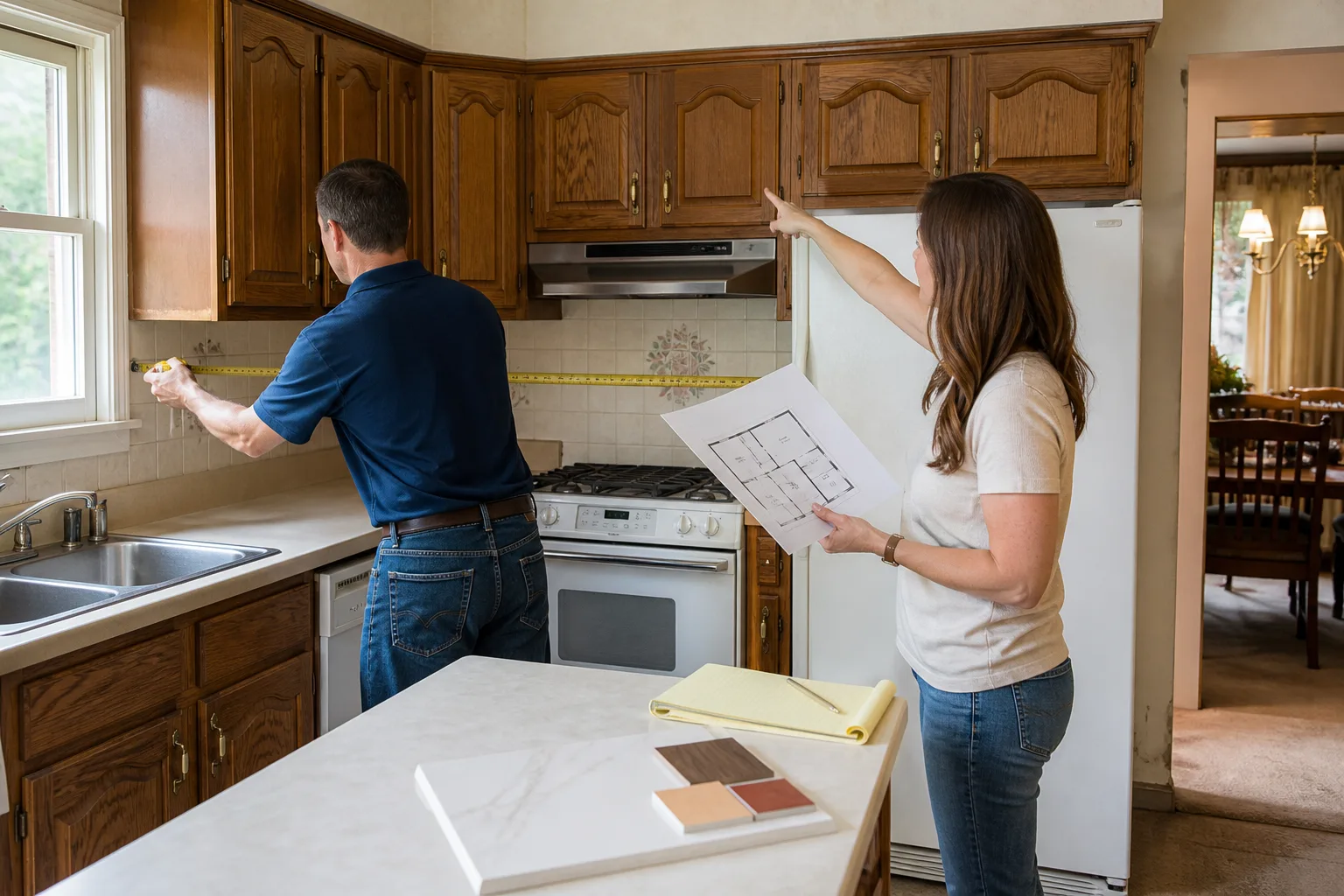
The most common complaint filed against Florida contractors isn’t shoddy work. It’s “the price changed and I have nothing in writing.” That single sentence, repeated in complaint after complaint, tells you most remodeling problems aren’t construction failures at all. They’re contract failures that show up later in lumber and tile. A vague scope turns into an argument about whether the extra framing was included. A verbal estimate turns into a suprise invoice. A missing guarantee turns a hairline crack into a dead end. We’ve walked into plenty of half-finished Kendall jobs where the drywall was never the real problem. The paperwork was. This guide walks you through the most common contractor problems, how to trace each one back to its root, and how to fix it without hiring a lawyer.
Quick Answer
Most general contractor problems start with a weak written agreement, not bad craftsmanship. Fix them by comparing what was promised in writing against what actually happened, documenting the gap in photos and dated notes, and requesting a written change order or correction before more work proceeds. If your contract included a written workmanship guarantee, that document is your fastest path to a fix; if it didn’t, you’re negotiating from a much weaker position.
Styles & brands we work with
- Kitchen remodeling
- Bathroom remodeling
- Home additions & ADU
- Roofing
- Windows & doors
- Driveway & pavers
- Fence
Table of Contents
- How to Tell a Legitimate Change Order From Padding
- What to Do When a Subcontractor Shows Up Instead
- Documenting a Work-Stoppage Dispute Without Escalating
- When Your Inspection Fails and the Contractor Blames the Inspector
- How a 365-Day Guarantee Changes the Troubleshooting Conversation
- What to Do If Your Contractor Has No Written Guarantee
- Florida-Specific Problems Kendall Homeowners Run Into
- Common Mistakes to Avoid
How to Tell a Legitimate Change Order From Padding
A change order is a written amendment to your original contract that adjusts the scope, price, or timeline. Padding is a change order that bills you for work that was already supposed to be in the original estimate. The difference lives almost entirely in how specific your original contract was.
Legitimate change orders happen when the job site reveals something nobody could have known from the drawings. In Kendall, that often means opening a wall in an older home near Downtown Kendall and finding cast-iron plumbing that wasn’t on the plan, or discovering a code-required upgrade the permitting office flags after review. Those are real costs, and a good contractor will bring you a written change order with a price and a description before touching anything.
Padding looks different. It shows up as a surprise line item for “extra framing” when framing is listed in the original scope, or a charge for permit fees that were always the contractor’s responsibility. Watch for these warning signs:
- The change order arrives after the work is finished, not before.
- It describes the work in vague terms like “additional carpentry” without quantities or line items.
- It bundles multiple changes into one lump sum so you can’t tell what costs what.
- Your original contract used phrases like “miscellaneous work” or “as needed” that leave room for interpretation.
The fix is simple in principle and hard in practice: demand a written, line-item change order before any additional work begins, and compare it against the original scope line by line. If the work was already covered, you don’t owe it. For homeowners in Kendall planning a full remodel and hoping to avoid this whole conversation, a General Contractor in Kendall who puts the scope and price in writing up front is the best protection you can buy.
What to Do When a Subcontractor Shows Up Instead
On most remodeling jobs, subcontractors will show up, and that’s normal – plumbers, electricians and tile setters are licensed in their own trades. The problem starts when the general contractor you hired never shows up at all, and a sub you’ve never met is running the job with no oversight and no point of contact.
Under Florida law, the general contractor remains responsible for the work of their subs, and you have a right to know who is working in your home. Florida Statute 489 requires contractors to be licensed, and a subcontractor performing work on your job must hold the appropriate license for their trade. If a sub arrives unannounced and can’t tell you who their general contractor is, that’s a red flag worth stopping the job over.
Here’s the sequence we recommend:
- Ask for the sub’s name and license number in writing before they start. A legitimate sub will hand it over without hesitation.
- Confirm the sub is covered under your contractor’s license and insurance by requesting a certificate of insurance that names them.
- Notify the general contractor in writing that you expect them on-site for milestone inspections, and get their acknowledgment.
- Document every site visit – who showed up, what they did, and whether the general contractor was present.
- If the general contractor stops showing up entirely, send a written notice asking them to resume supervision. That written record matters if the dispute escalates.
Our technicians have up to 22 years of experience, and in that time we’ve learned that homeowners who know exactly who is in their home and under what license are far less likely to end up in a subcontractor dispute. Background-checked, uniformed technicians on every job is a standard we hold to, and it’s worth demanding from anyone working on your house.
Documenting a Work-Stoppage Dispute Without Escalating
A work stoppage happens when either you or the contractor halts the job over a disagreement – usually over payment, quality, or scope. The instinct is to call a lawyer. The better move, almost every time, is to document thoroughly enough that you don’t need one.
Start with a written notice to the contractor stating the specific problem, the date it was observed, and what you’re asking them to do. Keep it factual. “On March 4, the master bath tile showed three cracked tiles along the shower curb, and the grout failed in two places” is far more useful than “the work is bad.” Follow up with dated photographs.
What a good documentation file includes:
- Your original signed contract and any change orders, in date order.
- A photo log with dates and short captions, taken from the same angle over time where possible.
- All written communication – emails, texts, a written notice, and any texts from the contractor.
- A cancellation or cure notice if you’re considering ending the contract, delivered in writing and by a method that proves receipt.
- Payment records and receipts, because payment disputes are the most common stoppage trigger.
In our experience around Kendall, most stoppages get resolved when the contractor sees that the homeowner has a clean, factual written record. That record also changes the conversation: you’re not arguing about whether a problem exists, you’re negotiating about how to fix it. If the dispute is over a quality issue that falls under a written guarantee, the guarantee itself is your first tool – more on that below.
When Your Inspection Fails and the Contractor Blames the Inspector
When a county or city inspection fails, the contractor sometimes pushes back on the inspector. That reaction almost never helps. In most Florida jurisdictions, the inspector’s report is a written record of a specific code issue, and the fix is to address the code issue, not to argue about the inspector.
Ask for three things in writing: the inspection report, the specific code reference cited, and the contractor’s plan for correcting it with a timeline. A legitimate code failure – an undersized electrical panel, a missing moisture barrier behind a tile wall, a stair rail at the wrong height – is the contractor’s responsibility to correct at no additional cost, because code-compliant work was always part of the contract.
The one legitimately gray area is when a code requirement wasn’t discoverable at the estimate stage. For example, a Kendall home built before certain wind-mitigation standards were adopted may require upgrades that only an inspector can flag. In that case, a written change order covering the difference is fair – but only if it’s specific, itemized, and presented before the work resumes.
Here’s the step-by-step fix:
- Get the inspection report in writing and read the exact code cited.
- Photograph the failed area before anything is altered.
- Ask the contractor for a written correction plan with a target re-inspection date.
- Confirm who is paying – if the code issue was always part of the scope, the contractor pays; if it’s a legitimately undiscoverable upgrade, a written change order may be appropriate.
- Schedule and attend the re-inspection if you can, so you see the result firsthand.
If the contractor keeps blaming the inspector without offering a correction plan, that’s the point where you escalate – first to their licensing board or the county’s contractor licensing office, and only then to a lawyer.
How a 365-Day Guarantee Changes the Troubleshooting Conversation
A written workmanship guarantee turns a troubleshooting conversation from an argument into a service request. When the contract says the contractor will fix their own work if it fails for a defined period, you don’t have to prove fault – you point to the document and request the fix. That single piece of paper removes most of the friction from the hardest disputes.
A strong guarantee does four things plainly:
- Names what it covers – workmanship failures specifically, not just product defects.
- States the duration – in our case, the 365-Day Done Right Promise covers every project for a full year.
- Explains the fix – if it’s not done right, the contractor makes it right, at no charge inside the guarantee period.
- Is written into the contract – not offered verbally, not a website slogan, a signed document.
We’ve watched how this changes a conversation in Kendall. When a homeowner calls about a failing grout line or a cabinet door that won’t close and there’s a written promise in hand, the call is fast and calm. Our team verifies the issue, schedules a free second visit if the first repair fails, and fixes it. No service call fee, no re-inspection charge, no arguing about whose fault it was.
Product warranties layer on top of that. When a job uses recognized trade brands – KraftMaid or Wellborn cabinetry, Cambria quartz counters, Kohler or Moen fixtures, James Hardie siding – the material carries its own warranty alongside the workmanship promise. Two layers of protection instead of one. If you’re planning a kitchen or bath project and want to see how guarantees fit into the process, our Bathroom Remodeling in Kendall page describes exactly what gets covered in writing.
What to Do If Your Contractor Has No Written Guarantee
If your contractor offered no written guarantee, the practical move is to send a written request asking them to confirm – in writing – what they’ll do if their workmanship fails within the first year. A contractor who stands behind their work will answer. A contractor who won’t answer has told you something important.
If the answer is “we don’t offer that” or you get silence, here are your fallback options:
- Document the failure in detail with photographs, dates, and a written notice of the specific problem.
- Check your state licensing board’s complaint process. Florida’s contractor licensing system allows you to file a complaint against a licensed contractor, and that record has teeth.
- Check your homeowner’s insurance. Some policies cover water damage or structural loss from failed work, and your insurer may pursue the contractor directly.
- Get an independent inspection from a licensed third-party inspector or engineer. Their written report is far more persuasive than your own description.
- Negotiate a written repair agreement if the contractor is willing. Even a one-page document stating the fix and the deadline is worth far more than a handshake.
The lesson most homeowners learn from this situation is that the guarantee should have been asked for before signing. If you’re starting fresh, ask every contractor you interview for a written workmanship guarantee in the contract itself, and walk away from anyone who won’t put one there.
Florida-Specific Problems Kendall Homeowners Run Into
Kendall sits in Miami-Dade County, which means the building code has requirements that contractors from other parts of the state routinely underestimate. Wind mitigation standards are stricter here than in most U.S. markets, and the permitting process in Kendall and the surrounding communities goes through Miami-Dade County’s Building Department. That affects what gets inspected and how long it takes.
Three local problems come up again and again:
- Permit delays and inspection sequencing. Miami-Dade inspections happen in a defined order, and a job that tries to skip a step will fail. We build the inspection schedule into the written plan so it doesn’t surprise anyone mid-project.
- Homes near the coast and in older Kendall neighborhoods. Salt air and humidity over years punish exterior materials. James Hardie siding and epoxy-based grouts and sealants hold up better than builder-grade alternatives, and we name those brands because the products behind the guarantee matter.
- Hurricane-season timelines. Exterior work scheduled between June and November in Kendall can get pushed by storm-preparation orders. A written schedule that accounts for that is far more useful than a verbal promise to “have it done by summer.”
Working with a contractor who knows the local code path gets rid of half the troubleshooting problems before they start. Our Kitchen Remodeling in Kendall page spells out how the permit and inspection sequence runs for a typical kitchen project in the area.
Common Mistakes to Avoid
- Accepting a verbal estimate. If the price isn’t written down, the number on day one means nothing. Every project should start with a written price before any work begins.
- Paying more than a modest deposit up front. A contractor asking for a large portion of the project cost before materials are ordered is a common source of trouble in South Florida. Pay in written milestones tied to completed work.
- Hiring before confirming the contractor is licensed. Florida Statute 489 requires licensing, and a quick check with Miami-Dade’s contractor licensing office is a five-minute phone call that can save tens of thousands.
- Signing a contract with a vague scope statement. “Remodel kitchen as discussed” gives you no leverage when the change order arrives. Line items and quantities matter.
- Letting work continue after a red flag. If a contractor stops answering the phone or starts charging for work that was clearly in the scope, stop the job and put the concern in writing. Continued work weakens your position.
- Skipping the written guarantee request. If it’s not in the contract, you don’t have it. Ask before signing, and walk away if the answer is no.
- Ignoring permit documentation. Unpermitted work in Kendall can come back to bite you at resale, and Miami-Dade requires permits for most structural, electrical, plumbing, and mechanical changes. Confirm permits are pulled before the first nail.
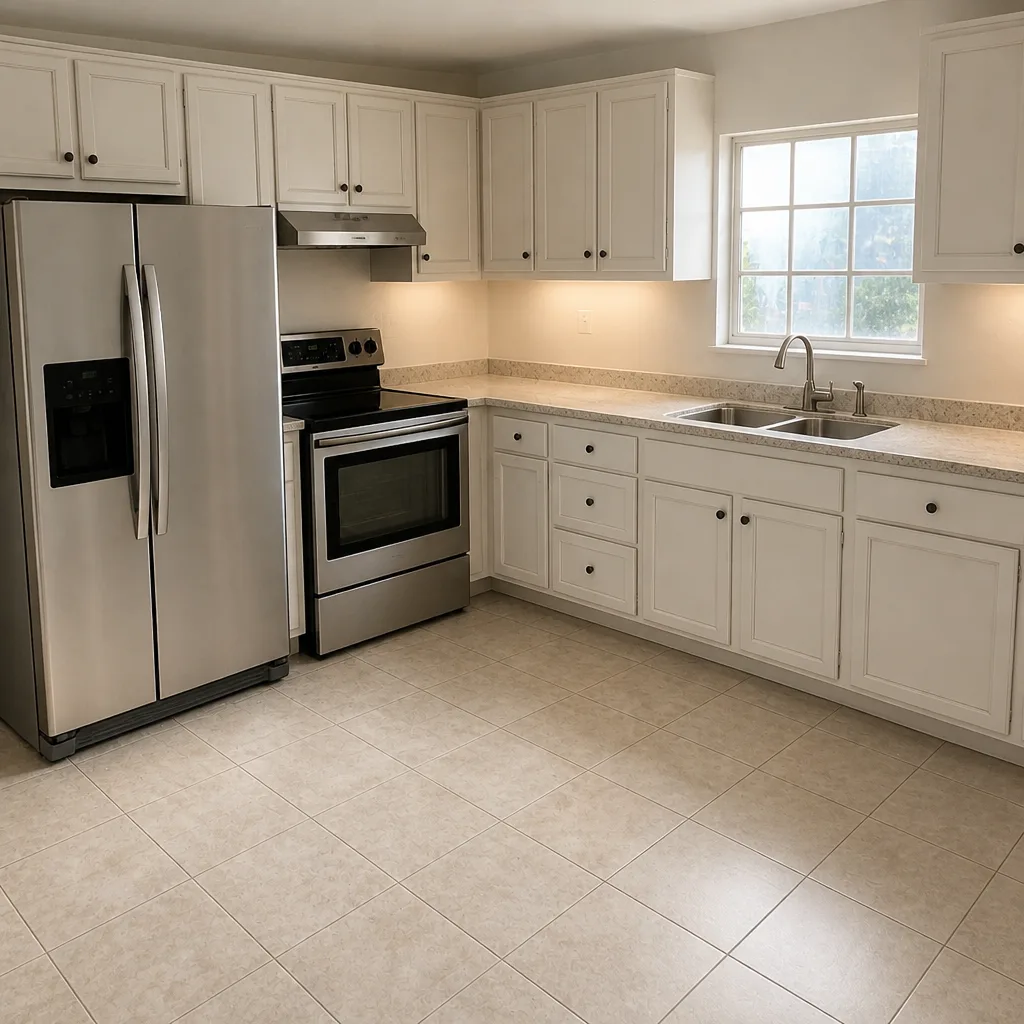
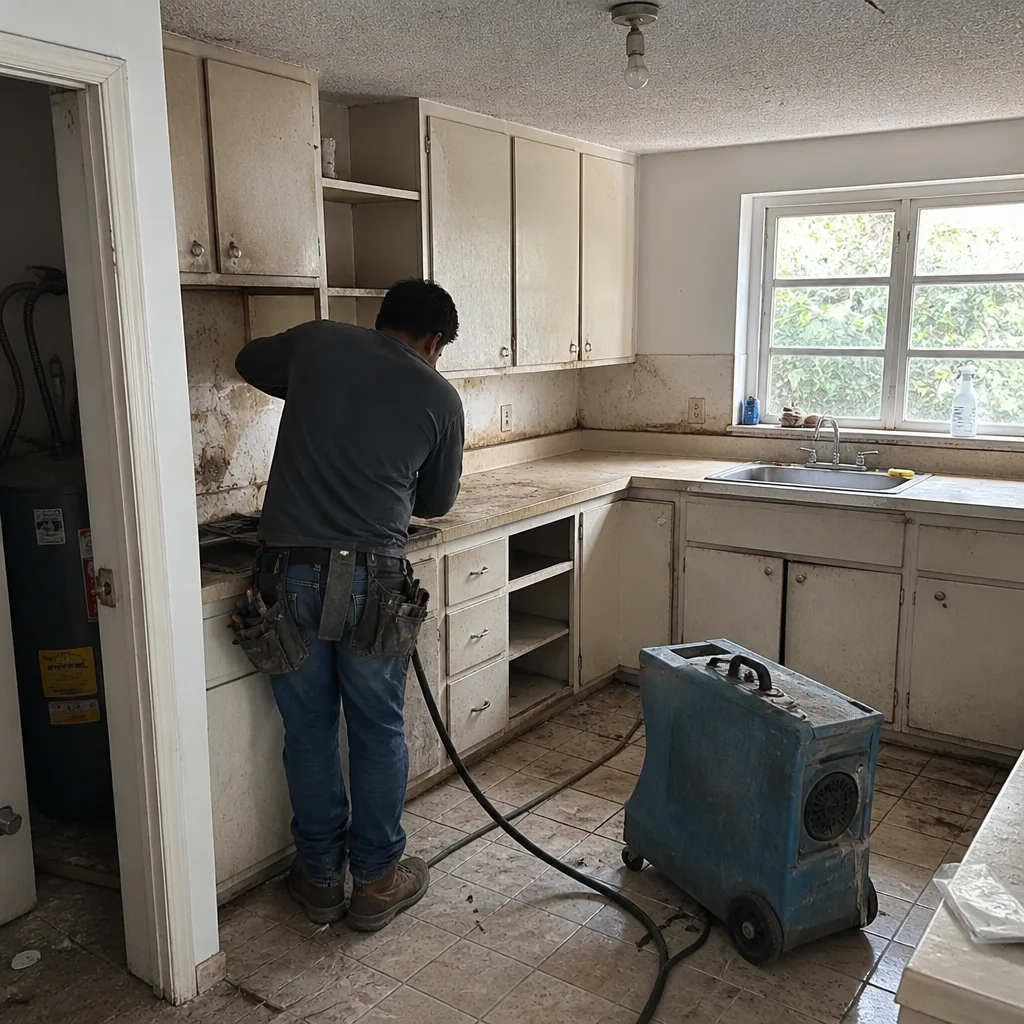
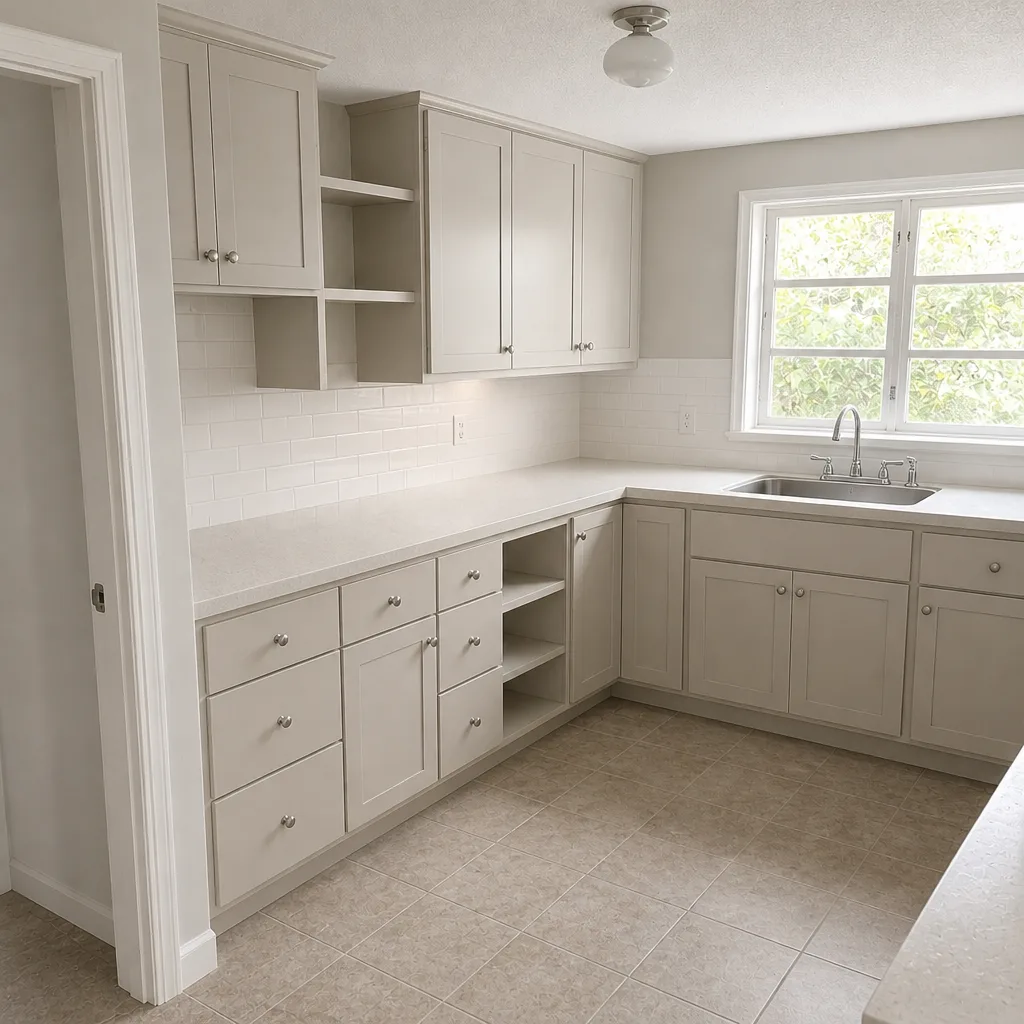
See the difference
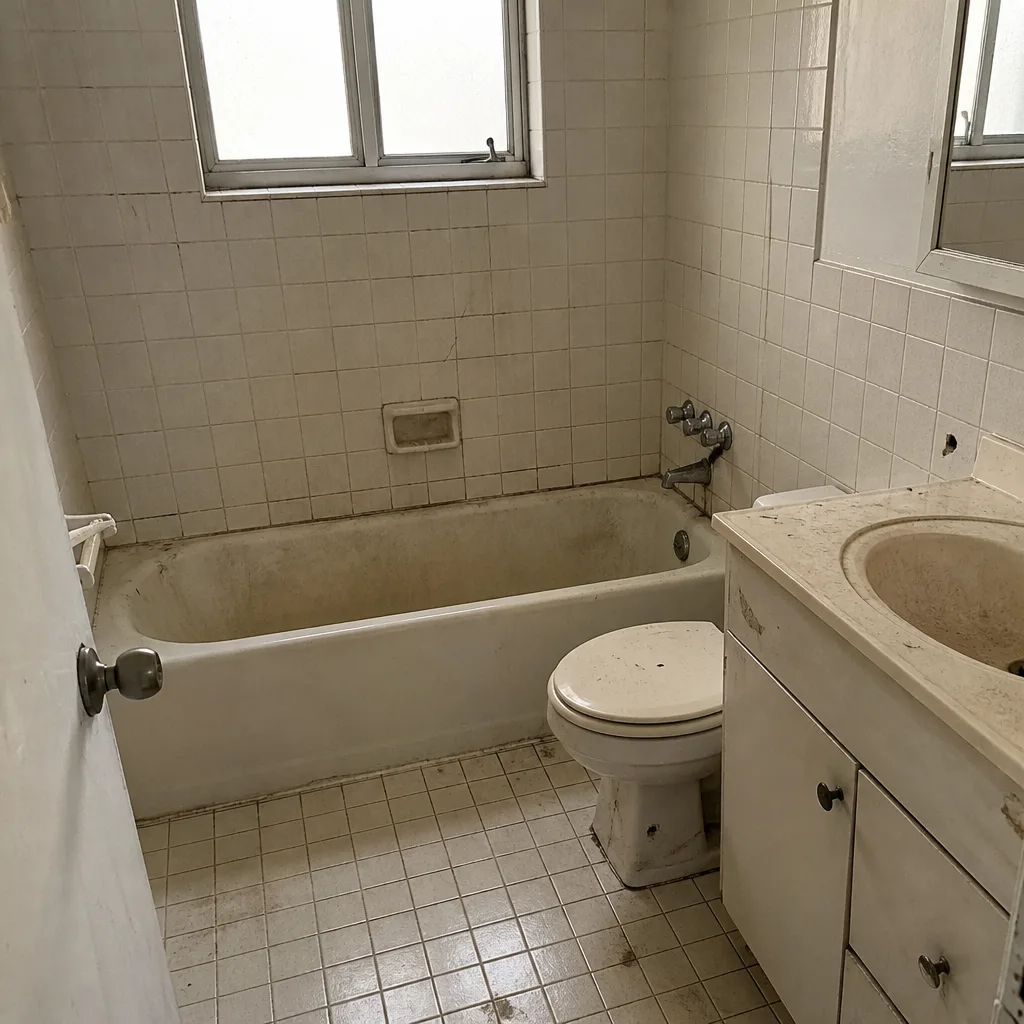 Before
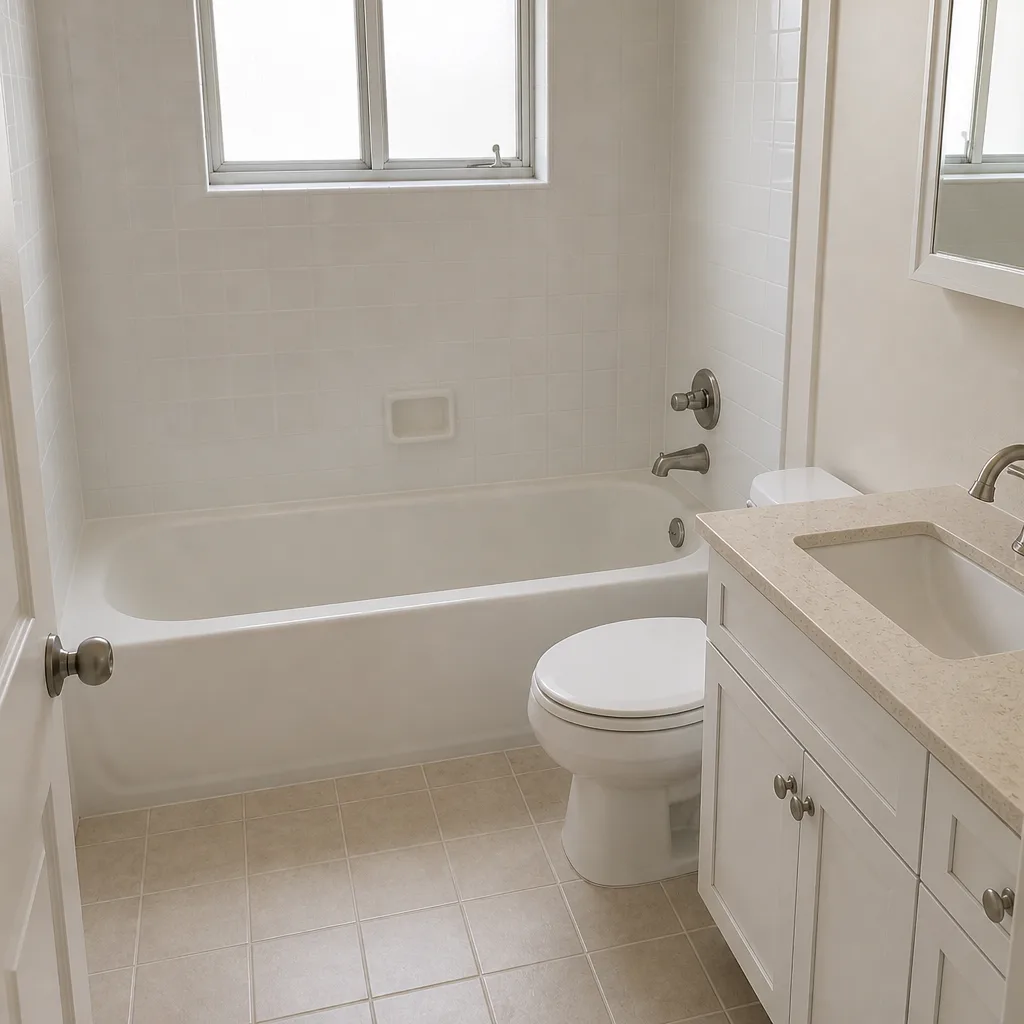 After
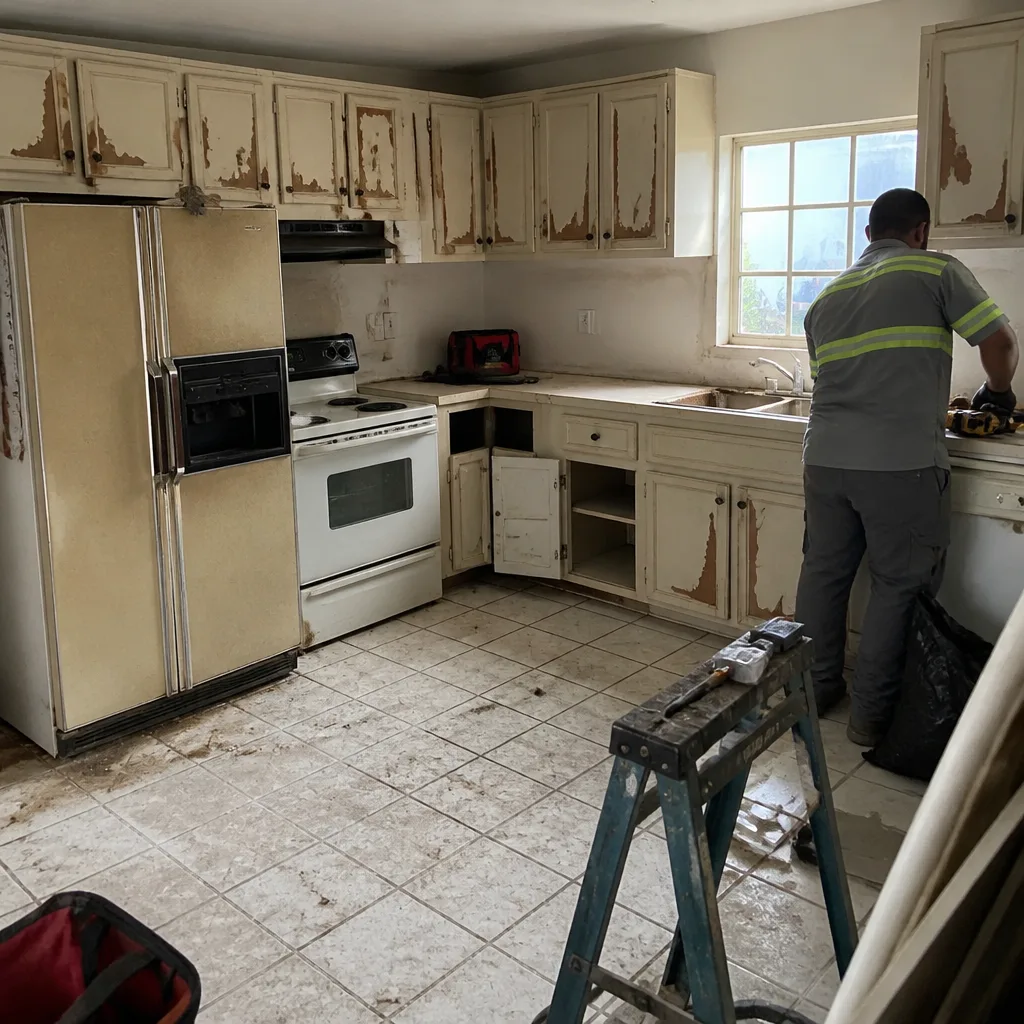 Before
 After
 Before
 After
When to Call a Professional

Some contractor problems are worth a careful conversation with your existing contractor. Others need a fresh set of eyes. Call a professional when you have a work-stoppage dispute that hasn’t moved in two weeks, an inspection failure with no correction plan in writing, or a failing repair that the original contractor won’t return to fix. Call us when you’re starting a project from scratch and want a written scope, a written price, and a written guarantee before work begins – that’s exactly how we operate, and it prevents most of what this guide is about.
Penhallow Remodeling Kendall offers free estimates in Kendall – call (844) 560-5417 to schedule one.
Frequently Asked Questions
Kitchen remodels in Kendall typically run $18,000 to $55,000 depending on layout changes, cabinet line, and countertop material, while bathroom remodels typically run $9,000 to $28,000 for a full renovation. Custom cabinetry from KraftMaid or Wellborn and quartz surfaces from Cambria push the number higher; stock cabinet lines keep it lower. Call (844) 560-5417 for a free written estimate with line-item pricing.
Request a written, line-item change order that describes exactly what additional work is needed and what it costs before any of that work begins. If the extra work was clearly part of your original contract scope, you don’t owe it. If it’s a genuinely undiscoverable condition – like failed plumbing behind a wall – a properly written change order is fair. Call (844) 560-5417 if you want an independent read on a change order you’re being asked to sign.
Yes. Every project is backed by the 365-Day Done Right Promise – a written guarantee that if the work fails within the first year, we come back and make it right at no charge. If a repair fails, the second visit is free, with no service call or re-inspection fee. Call (844) 560-5417 to see the guarantee language before you sign.
Ask for the inspection report and the specific code reference cited, in writing, and a written correction plan with a target re-inspection date. The inspector applies the code; the contractor is responsible for meeting it. If the correction plan doesn’t arrive, escalate to the county’s contractor licensing office. Call (844) 560-5417 for a free second opinion on an inspection dispute.
The general contractor remains responsible for the work performed by their subcontractors under Florida law, even when a licensed sub is on-site. That means if a plumbing sub installs a fitting that fails, your GC is the party you go back to. Confirm every sub is licensed and insured before they start. Call (844) 560-5417 if you’re not sure who’s on your job site.
Permit costs in Miami-Dade County vary with the scope of work, but the fee should be listed as a line item in your contract, not hidden in the general conditions. If the contractor asks you to pull the permit yourself, that’s a sign of a licensing issue and worth investigating before you sign. Call (844) 560-5417 for a free written quote with permit costs broken out.
The Bottom Line

Most contractor problems in Kendall trace back to a document that was never written or never signed. A written price before work starts prevents the “the price changed” call. A written scope prevents the change-order fight. A written workmanship guarantee turns a failing repair into a service visit instead of a negotiation. If you’re hiring now, ask every contractor for those three things and don’t sign without them. If you’re already in the middle of a dispute, document it in writing, keep the file ready, and escalate in writing before you escalate to a lawyer. For a project that starts on the right foot with a written price and a written guarantee from day one, see our Penhallow Remodeling Kendall home page or call (844) 560-5417 for a free estimate.
Written by the team at Penhallow Remodeling Kendall.