
Last updated November 18, 2026








Free written scope consultation - allowances, timeline, and change-order rules on paper before a single trade is scheduled
Home Remodeling Troubleshooting: Common Problems and How to Fix Them
Here’s the part of remodeling nobody puts on the brochure: something almost always comes up after the crew leaves. A cabinet door that won’t sit flush. A grout line that cracks. A section of new drywall that looks fine until the first humid week of a Kendall summer. The problem itself is usually small. The hard part is the conversation that follows, because most homeowners don’t know whether they’re looking at a real defect, a scope gap, or something they caused – and that uncertainty is exactly what lets responsibility slip away. This guide gives you the vocabulary to categorize what you’re seeing and the evidence to back it up. We’ve walked into plenty of Kendall homes where a small, fixable issue had turned into a standoff simply because nobody could agree on what it was.
Quick Answer
Most post-remodel problems fall into one of three buckets – cosmetic, functional, or structural – and identifying which bucket you’re in tells you how urgent the fix is and who should pay for it. Your original written scope and contract, not the phone call, is what determines whether an issue is a warranty claim, a scope gap that was never agreed to, or something genuinely caused by how the home is used. Document the defect with dated photos and a plain description before you call anyone, and route product failures to the manufacturer’s warranty and workmanship failures to your contractor’s guarantee.
Styles & brands we work with
- Kitchen remodeling
- Bathroom remodeling
- Home additions & ADU
- Roofing
- Windows & doors
- Driveway & pavers
- Fence
Table of Contents
- The Three Categories of Remodel Problems
- Reading Your Written Scope and Contract
- How to Document a Defect That Holds Up
- Decoding Common Contractor Responses
- Workmanship Guarantee vs. Product Warranty
- Kendall-Specific Problems and Why They Happen
- A Step-by-Step Troubleshooting Method
- When to Stop and Call a Pro Instead
The Three Categories of Remodel Problems
Before you call anyone, sort the problem into one of three categories. This one step changes the entire conversation, because it tells you both how fast you need to act and where the remedy should come from.
Cosmetic problems affect appearance, not performance. A paint touch-up that’s slightly off-color, a hairline crack in a caulk line over a tub, a cabinet door with a small gap along the edge. These are real, but they’re not urgent, and they often fall within a punch-list follow-up visit. In our experience, cosmetic issues make up the majority of callbacks and are almost always resolved quickly.
Functional problems mean something doesn’t work the way it should. A door that won’t close. A faucet that drips. A drawer that catches. These matter because a small functional flaw, left alone, often gets worse – a slowly leaking supply line under a new sink can damage the cabinet box within weeks. Functional issues deserve prompt attention.
Structural problems involve the bones: a floor that feels spongy, a wall that’s out of plumb, a tile field that has lifted because the substrate (the surface the tile bonds to) wasn’t prepped correctly. These are the least common and the most serious. If you see one in Kendall, you want it looked at fast, because structural problems tend to compound in humid climates.
Naming the category out loud when you call puts you on equal footing. “I have a functional issue with the bathroom door and a cosmetic one with the paint,” is a far stronger opener than “something’s wrong with the remodel.”
Reading Your Written Scope and Contract
Here’s the rule that saves the most arguments: the answer to “is this covered?” lives in the original written scope, not in your memory of the conversation. Before you pick up the phone, find the paperwork and read the exact language describing what was agreed to.
The single most useful thing a contractor can do is give you a written price and a written scope before any work starts – a real number you can hold them to, not a verbal ballpark. That’s the standard we operate by, and it exists precisely so that cases like this can be resolved on facts rather than recollection. When you review your scope, look for three things:
- What was explicitly included. If it’s listed, it was agreed to.
- What was explicitly excluded. Common exclusions include moving plumbing fixtures, replacing the subfloor under a certain depth, or upgrading electrical service. An issue that falls in an excluded area is a scope gap, not a defect.
- The guarantee language. What does the contractor promise, for how long, and under what conditions?
A scope gap means the work was never part of the agreement, so the remedy is a new, separately priced change order – not a warranty claim. A defect means the agreed work was done but is now failing, which is a warranty matter. Those are two very different conversations, and separating them keeps the discussion fair and clear. If your paperwork is thin or you were given a verbal estimate, you’re in the harder spot – and it’s worth asking, before any future work, for a written price upfront.
How to Document a Defect That Holds Up
A good phone call is worth a lot. A well-documented defect with photos and dates is worth more. If a dispute ever escalates, the written record is what protects you. Documenting takes about ten minutes and is the single best habit from this guide.
- Take wide and close photos. One shot that shows the room and context, then a close-up of the defect. Include a coin, ruler, or your hand for scale.
- Stamp the date. Most phones embed a date automatically. If yours doesn’t, note it on a card placed in the frame.
- Write a plain description. “Grout crack along the back wall of the shower, about 4 inches, appeared two weeks after the tile was set.” Keep it factual – no adjectives about how upset you are, just what you see.
- Log when it started and whether it’s changing. “Same size for a week” versus “grew an inch since Tuesday” changes the urgency.
- Save the paperwork trail. Keep the written scope, any texts, emails, or notes from phone calls in one folder, digital or paper.
This record does two things: it makes it easy for a legitimate contractor to confirm the issue and schedule the fix, and it removes the wiggle room for the ones who’d rather argue. A fair contractor appreciates good documentation; it makes the whole exchange faster.
Decoding Common Contractor Responses
When you call about a defect, you’ll hear a handful of standard explanations. Some are true. Some are deflections. The difference usually comes down to whether the explanation can be shown, not just stated.
- “It’s just settling.” Real settlement is gradual, happens early, and is usually minor and cosmetic – a fine crack in drywall over a new doorway, for instance. It’s a deflection when it’s used to explain a structural shift, a tile lifting off its substrate, or a crack that keeps growing. Ask: is there a visible, measurable change over time?
- “That’s owner use.” Sometimes true – a scratched countertop from a knife, a stained grout from a spilled product. It becomes a deflection when the failure is inside the construction itself, like a cabinet pulling away from the wall.
- “That’s outside the scope.” The most important answer to check. Go to your written scope. If the item was included and now fails, it’s a warranty matter, not a scope issue.
- “Nobody’s had this problem before.” This isn’t an explanation at all. Ask what, specifically, is causing your issue – and whether the answer can be inspected.
Here’s the test: a legitimate explanation can be shown to you. A deflection stays verbal. When we respond to a callback, our goal is a written answer and a plan, backed by a written guarantee – if the work fails, we come back and make it right, and if it’s a repair, a free return visit if the fix doesn’t hold.
Workmanship Guarantee vs. Product Warranty
A lot of frustration comes from routing a problem to the wrong remedy. There are two separate layers of protection on most projects, and understanding them saves weeks.
Workmanship guarantees cover how the work was done – the installation, the fit, the finish. This is the contractor’s responsibility. Something installed incorrectly, or a joint that failed under normal use, is a workmanship claim. A solid workmanship guarantee is stated in writing, has a defined term, and says plainly what happens if the work fails. Ours, called the 365-Day Done Right Promise, covers every project for a year: if it’s not done right, we make it right at no charge, and that’s backed in writing.
Product warranties cover the materials themselves – the cartridge inside a Moen faucet, the finish on a Kohler fixture, the surface of a Cambria quartz countertop. These come from the manufacturer, not the installer, and they often run much longer than a workmanship guarantee. When we set a Cambria top, it carries its own lifetime warranty alongside ours; the two layers stack.
The practical rule: if the failure looks like how it was put together, it’s a workmanship claim. If it looks like the material itself giving up, route it to the manufacturer – and your contractor can usually help you file. Getting the routing right means the right remedy arrives the first time.
Kendall-Specific Problems and Why They Happen
Some problems show up in Kendall more than they’d show up in a dry inland climate, and knowing why helps you spot them early. South Florida humidity is relentless, and it stresses a home in specific ways.
Grout and caulk cracking. Bathrooms and kitchens in Kendall see repeated cycles of air-conditioning and humidity. Grout is rigid; the assembly behind it moves a little with moisture and temperature. Hairline cracks in a caulk line are cosmetic and easy to re-seal. Cracks running the length of a tile field, or tiles lifting, point to a moisture or substrate problem – a functional or structural issue that needs a closer look.
Cabinet doors and drawers that drift. Wood cabinetry expands and contracts with humidity. In Kendall, a door that was perfectly aligned in February can rub in August. Often the fix is a hinge adjustment, not a replacement – worth knowing before you assume the cabinet is failing.
Mold and mustiness near new work. If a newly remodeled bathroom or a section of a kitchen smells musty, treat it as a moisture finding, not a cosmetic one. It usually traces to a ventilation gap or a caulk line that’s failed, and it deserves a prompt look.
Exterior paint and siding. Homes clad in James Hardie siding hold up well, but seams and penetrations need their caulk checked after a wet season. Small gaps let water in, and water is patient.
Drywall checking under a fresh coat. Sometimes new drywall takes a season to fully acclimatize. Knowing that’s normal for the climate – and that a visible, growing crack is not – is the point of categorizing your problem first.
If you’re planning work and want to get ahead of these, the team behind kitchen remodeling and bathroom remodeling can build a scope that accounts for how Kendall homes actually wear. And on the exterior and structural side, our general contractor in Kendall service is where whole-property questions land.
A Step-by-Step Troubleshooting Method
When a problem shows up, resist the urge to call first and think later. Here’s a sequence that keeps you grounded from the first moment.
- Pause and look. Before touching anything, get a clear view of what’s happening – is it a stain spreading, a door not closing, a crack changing?
- Categorize it. Cosmetic, functional, or structural. Write the word down.
- Check the timeline. When did it appear? Right after a specific event (a rainy week, a heavy cabinet load, a new appliance)?
- Pull the written scope. Was this item included, excluded, or never discussed? That answer sorts warranty from scope gap from owner-caused.
- Document it. Wide and close photos, a date, a plain description, whether it’s changing.
- Decide the route. Workmanship to your contractor. Material to the manufacturer. New work to a fresh written scope.
- Make the call with the facts. “I have a functional issue on the bathroom door, here are photos and the date it appeared, and it falls within the included scope.” A good contractor will respond with a written plan.
Working through these steps in Kendall after any project gives you something invaluable: a calm, factual position. You’re not accusing anyone. You’re presenting a documented issue and a clear question about coverage.
When to Stop and Call a Pro Instead
Some problems you can troubleshoot on your own. Others you shouldn’t touch. When it involves the structure of the building, active water intrusion, moisture damaging a substrate, or anything that makes you wonder whether the floor or wall is sound, stop and bring in an experienced set of eyes. An active leak behind a wall or under a cabinet isn’t a cosmetic fix – water does more damage the longer it sits, and getting a professional to assess it early is almost always cheaper than waiting. The same goes for anything that looks like a structural shift. Our technicians have up to 22 years of experience reading these signals, and a short visit now can catch a small issue before it becomes an expensive one.
Common Mistakes to Avoid
- Calling before you read the scope. Two minutes with your paperwork tells you whether this is a warranty claim or a new charge, and that changes the whole call.
- Making a verbal complaint with no record. A call with no photos or notes is easy to forget. Date everything.
- Assuming the worst or the best. A little settlement crack is often nothing; a growing one is often something. Categorize before you react.
- Fixing it yourself before the contractor sees it. In Kendall, we’ve seen small defects get patched over before they could be evaluated, which muddies who’s responsible.
- Mixing up workmanship and product. Chasing a hinge problem to a cabinet manufacturer, or a failing faucet finish to the installer, wastes weeks.
- Accepting “it’s normal” without a look. Sometimes it is normal. But “normal” should be something the contractor can show you, not just say to you.
- Letting a small moisture issue ride through the wet season. In this climate, tiny leaks get worse. Address them before August.
See the difference
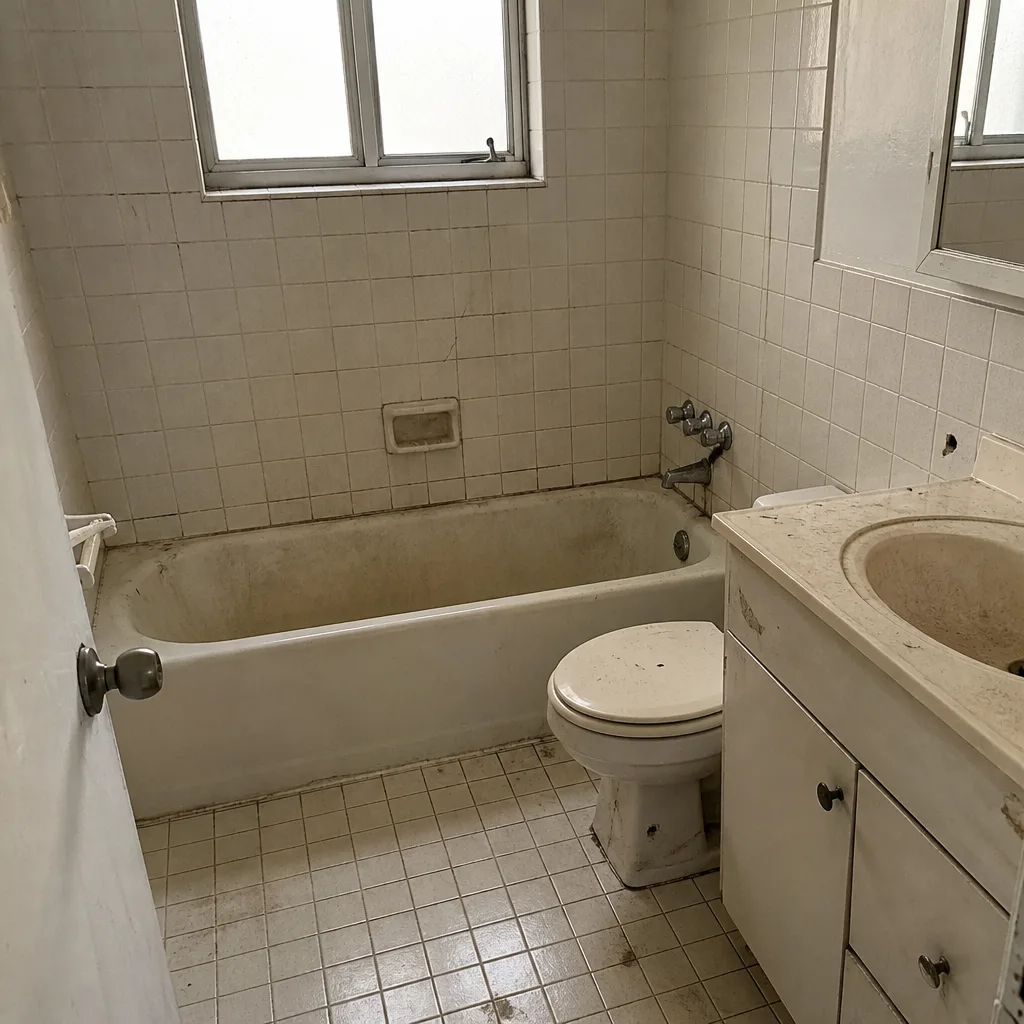 Before
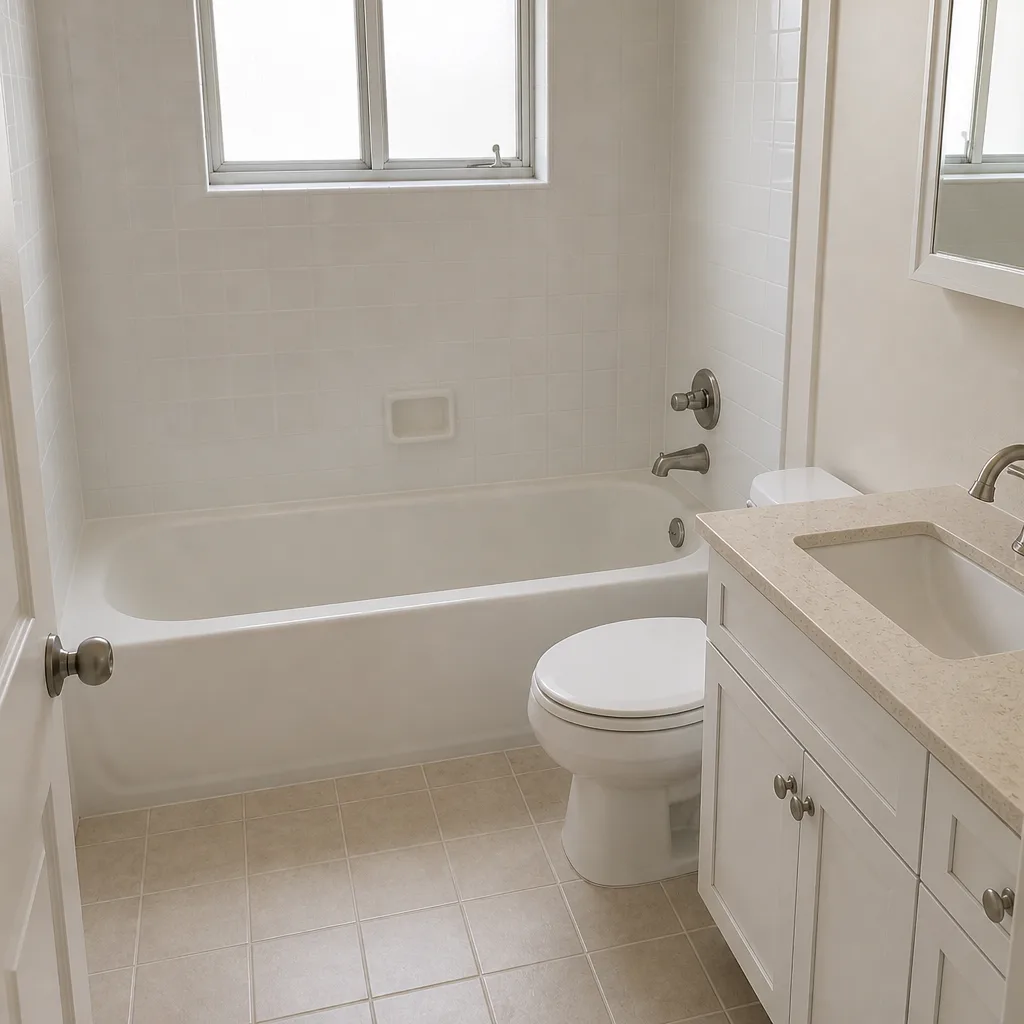 After
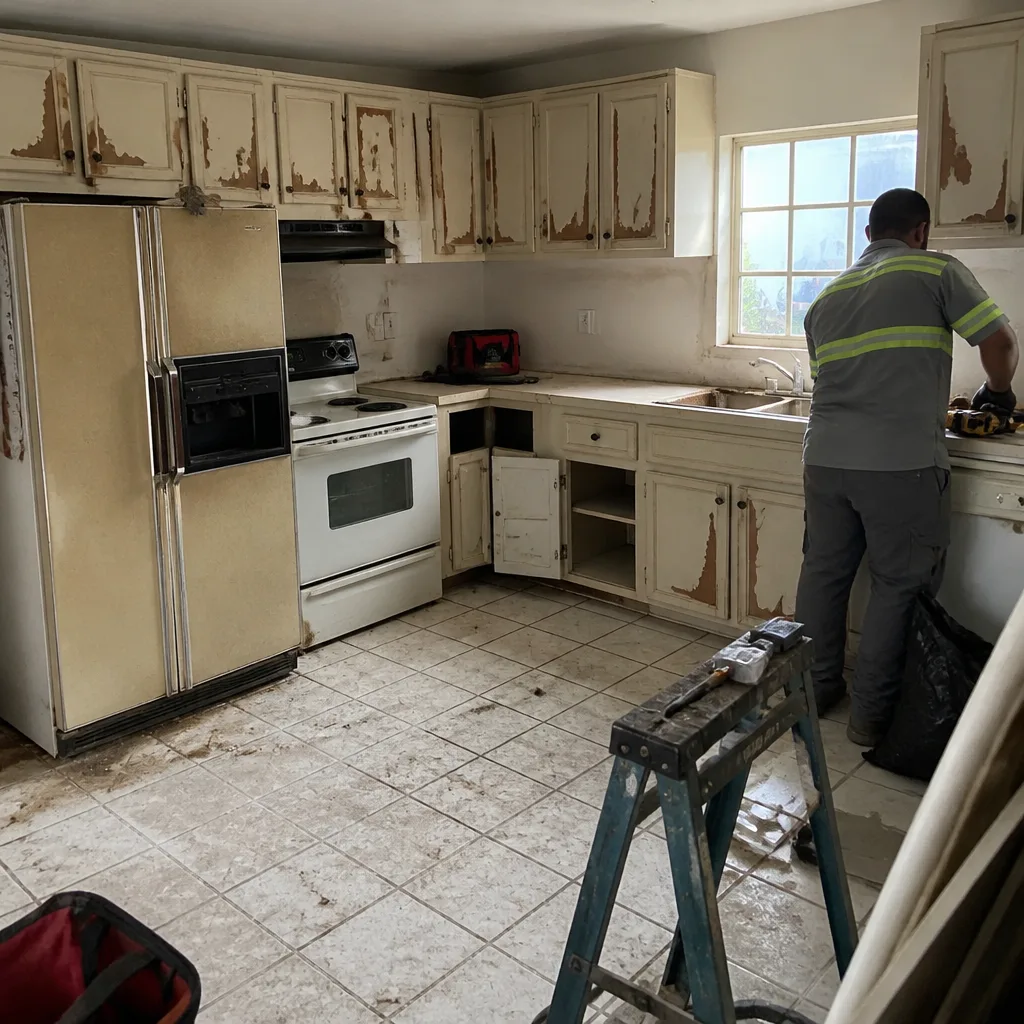 Before
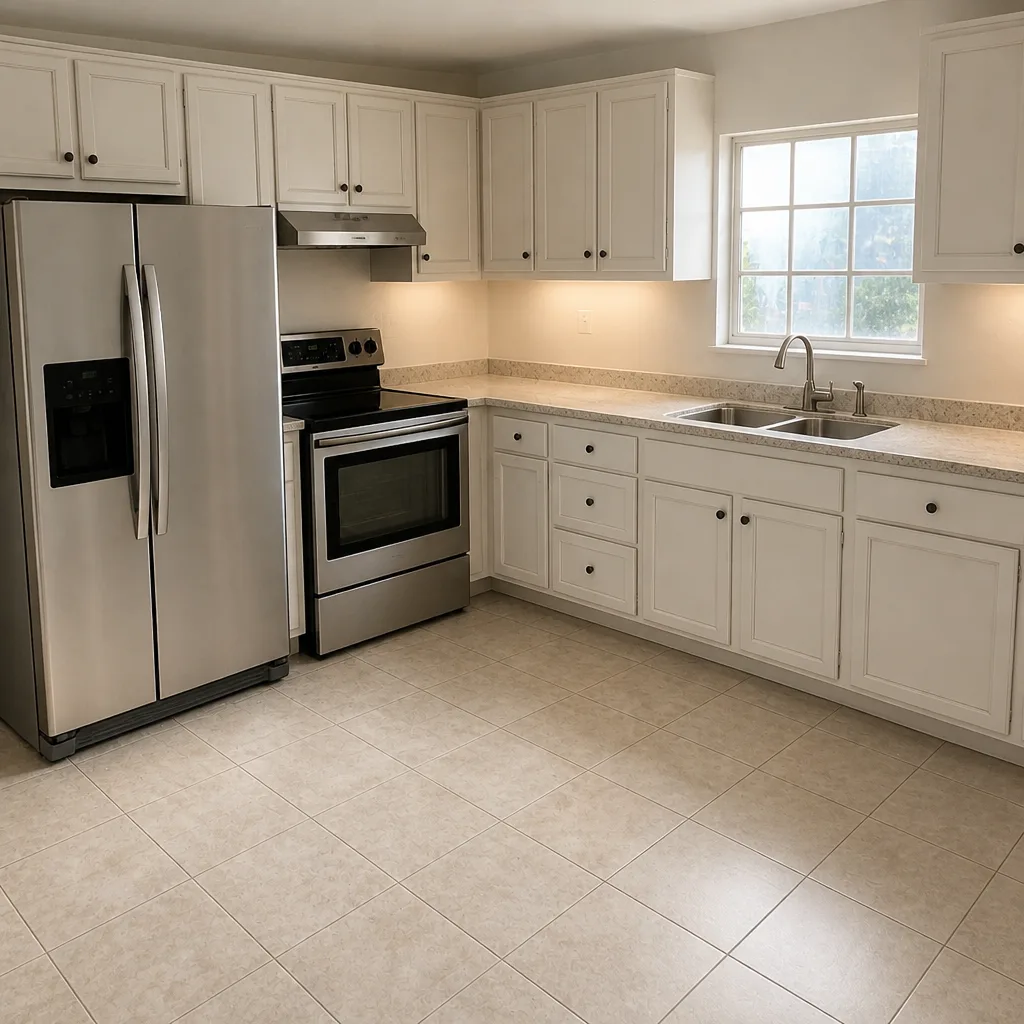 After
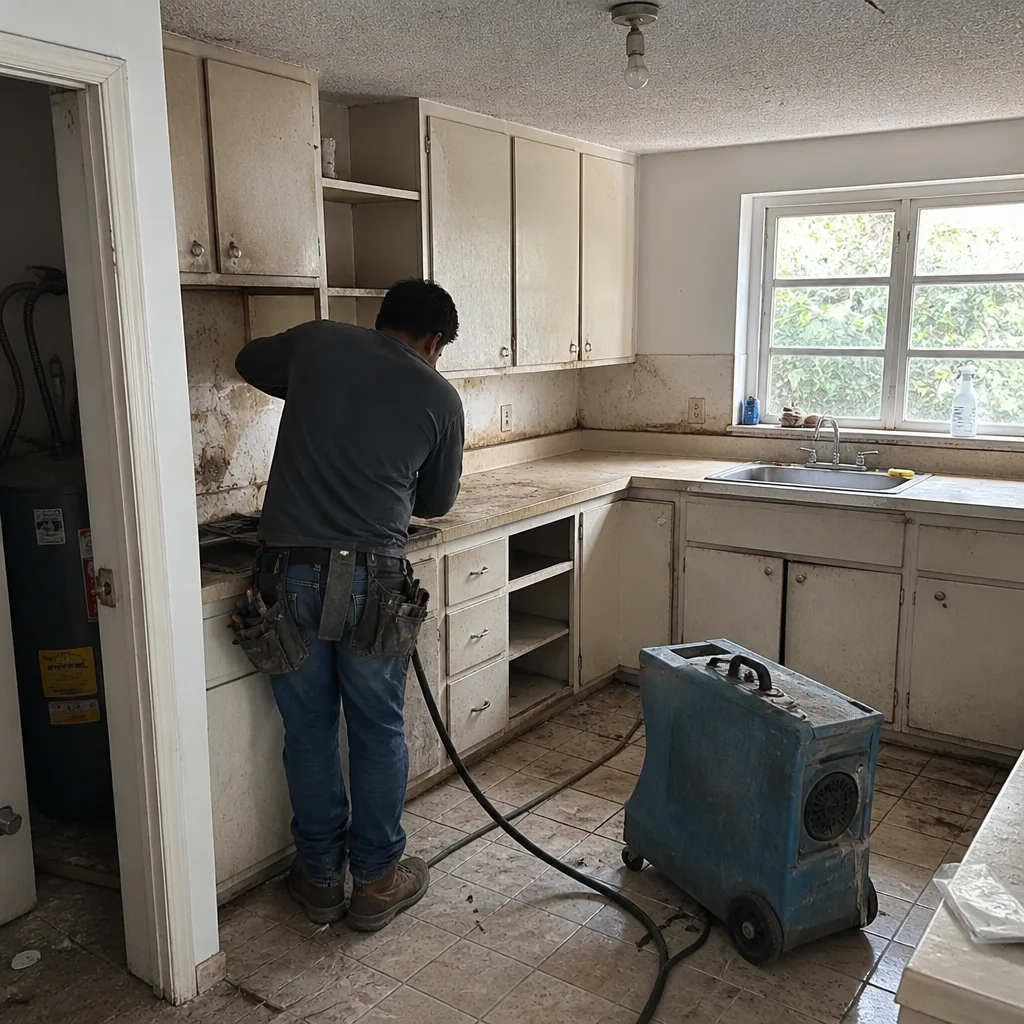 Before
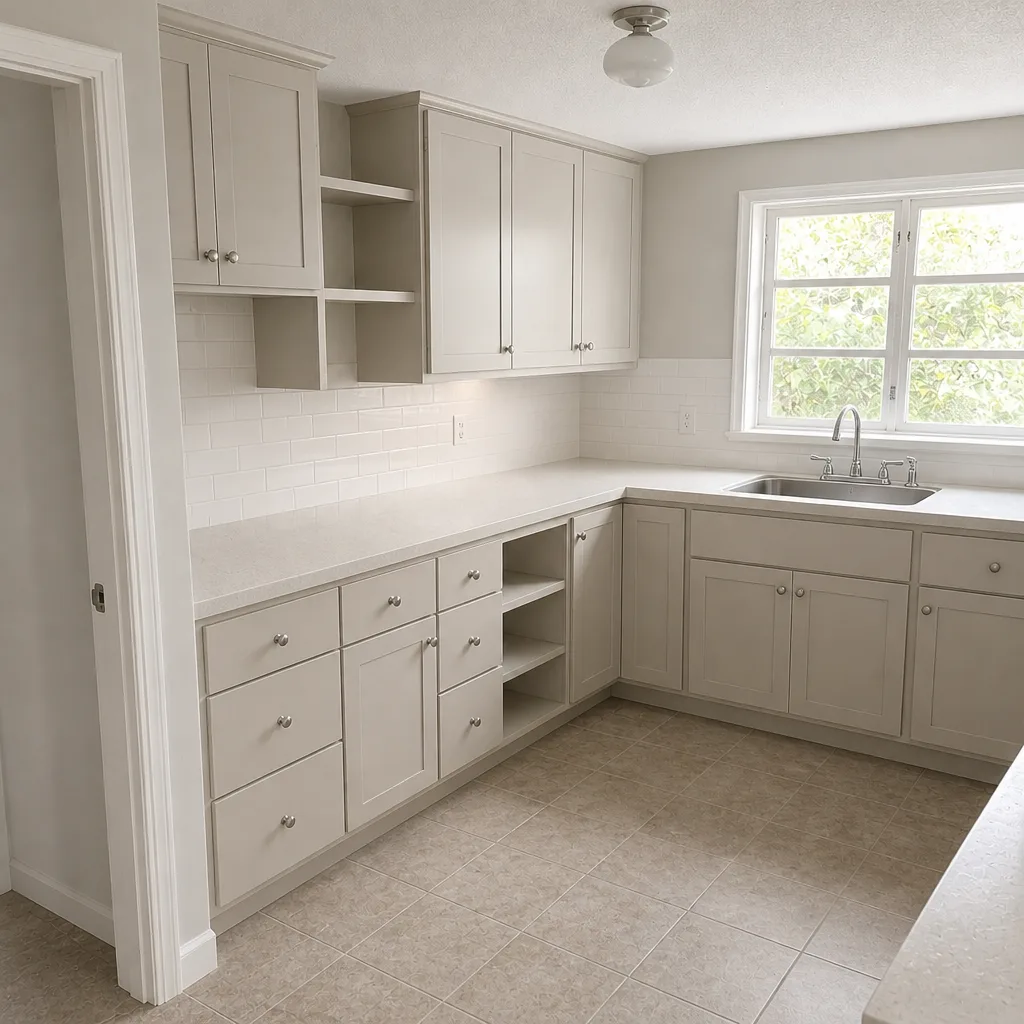 After
When to Call a Professional
Call a professional when you’re dealing with active water, a structural question, a substrate that may be failing under tile, or a defect your contractor hasn’t resolved and you need a second set of eyes. Also call when you’re simply unsure – uncertainty is a valid reason to get a professional assessment. If you’re moving into a new project or a whole-home remodel in Kendall, getting a written scope and a written guarantee upfront is the best defense against every problem in this guide. Start from the Penhallow Remodeling Kendall home page, or reach out directly. Penhallow Remodeling Kendall offers free estimates in Kendall, with a written price before any work starts and a 365-Day Done Right Promise on every project. Call (844) 560-5417 for your free estimate.
Frequently Asked Questions

Settling shows up as a minor, cosmetic crack near a new opening that appears early and then stops changing. A defect is a problem that’s functional or structural, that grows, or that involves water or a substrate. If a crack keeps widening or a tile is lifting, treat it as a defect and document it with dated photos.
A 365-day workmanship guarantee covers how the work was installed for one full year – if something fails because of the installation, the contractor returns and fixes it at no charge. It does not cover damage from misuse or the failure of the materials themselves, which fall under the manufacturer’s warranty. At Penhallow Remodeling Kendall, the 365-Day Done Right Promise is included in writing on every project. Call (844) 560-5417 with questions about your specific job.
Go straight to your original written scope and read what was included and excluded. If the failing item was listed as included, it’s a warranty matter regardless of how it’s being described. If it was excluded, the remedy is a new, separately priced change order – not a warranty claim.
South Florida humidity makes wood cabinetry, grout, caulk, and exterior seams move and wear faster than in dry climates. Cabinet doors that drift, caulk lines that crack, and mustiness near new work are common here. Most are quick fixes, but a moisture issue that lingers should be looked at promptly – call (844) 560-5417 for an assessment.
If the issue is a covered workmanship defect inside the guarantee period, the repair visit is free – that’s the point of the guarantee. At Penhallow Remodeling Kendall, if a repair fails, we return at no charge, with no service call and no re-inspection fee. If the issue turns out to be a new scope item or owner-caused, expect a written price before any work resumes.
Yes, always. A written number before any work starts is what prevents post-project disputes, because day-one price and invoice price should match. Ask for a fixed written price in place of a verbal range, and keep it with your scope. Call (844) 560-5417 to schedule a free estimate in Kendall.
The Bottom Line
Most post-remodel problems come down to a simple discipline: categorize the issue, check the written scope, document it with dates and photos, and route it to the right remedy. Cosmetic problems are usually easy follow-ups. Functional ones need prompt attention. Structural ones need a professional’s eyes, especially in Kendall’s humidity. The contractors who resolve these well are the ones who put the price and the guarantee in writing before work ever begins – so the answer to “is this covered?” is already on paper. Start from the home page, keep your paperwork close, and make the call with facts in hand. Call (844) 560-5417 for a free estimate.
Written by the team at Penhallow Remodeling Kendall.