Last updated November 18, 2026


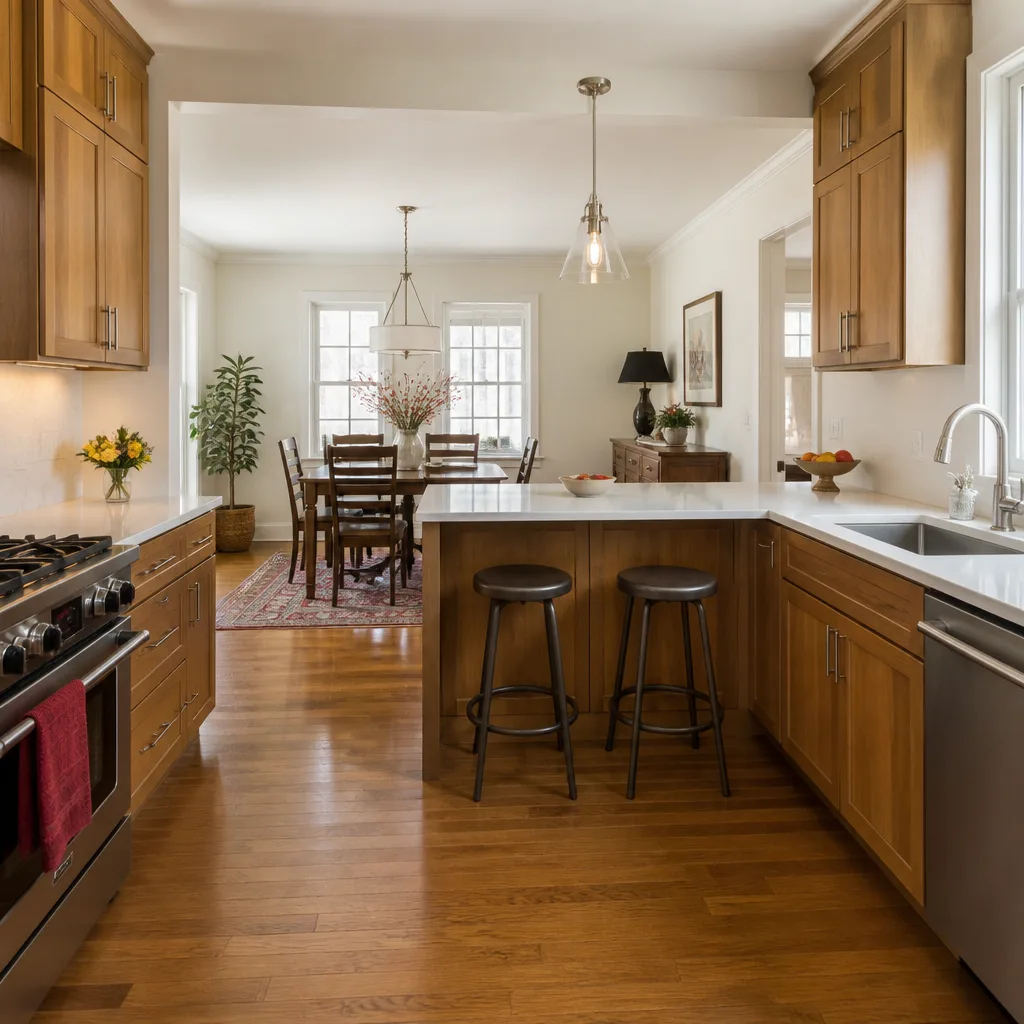

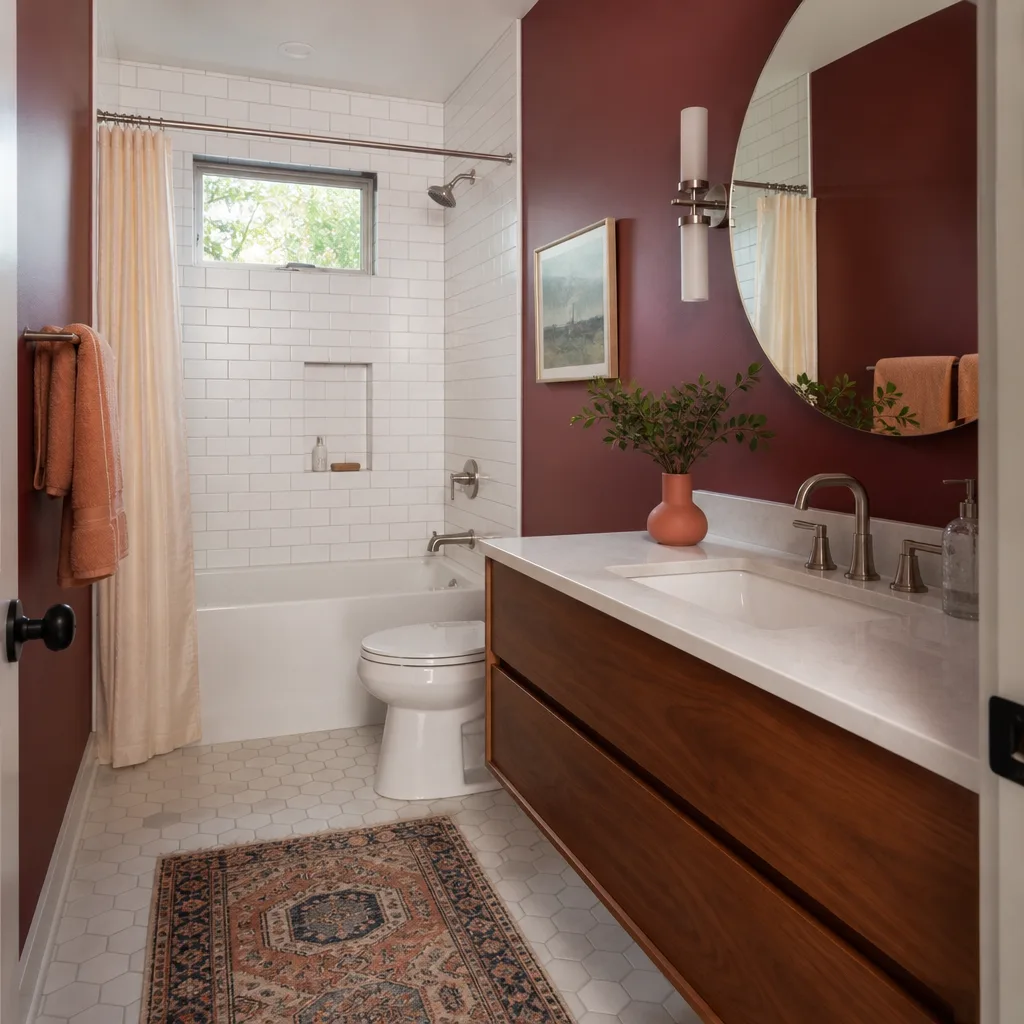

Free written scope consultation - allowances, timeline, and change-order rules on paper before a single trade is scheduled
DIY vs Professional Kitchen Remodeling: What’s Safe to Do Yourself
Painting your cabinets yourself saves real money and carries zero permit risk. Running a new 20-amp circuit for a countertop appliance yourself in Miami-Dade without a permit creates a disclosed defect you’re legally required to tell the next buyer about. Those are categorically different decisions, and most DIY guides treat them the same way.
The DIY versus professional question isn’t really about skill level. It’s about which tasks carry permit, warranty, or liability consequences that follow the house when you sell, and which ones genuinely don’t. This guide draws that line honestly, without pushing you toward unnecessary professional work or away from real risks. We’ll walk through a task-by-task breakdown organized by risk tier, the Miami-Dade permit rules that trip up Kendall homeowners, how DIY work interacts with a contractor’s guarantee, and the honest math on where DIY actually saves money after tool rental and redo time.
Quick Answer
Safe DIY kitchen work in Kendall includes painting cabinets, swapping hardware, replacing a faucet or light fixture on an existing circuit, and doing your own demolition and haul-away. Work that needs a licensed professional includes anything involving new electrical circuits, gas lines, moving plumbing supply or drain lines, and structural changes. Everything in between – cabinet installation, tile work, countertop templating – sits in a middle tier where skill level determines the outcome but permits determine the legal consequences.
Styles & brands we work with
- Kitchen remodeling
- Bathroom remodeling
- Home additions & ADU
- Roofing
- Windows & doors
- Driveway & pavers
- Fence
Table of Contents
- The Three Tiers of Kitchen DIY Work
- Tier 1: Safe to Do Yourself
- Tier 2: DIY With Real Risk
- Tier 3: Professional-Only Work
- Miami-Dade Permit Rules for Kitchen Work
- How DIY Work Affects Your Contractor’s Guarantee
- The Honest Math on DIY Savings
- What to Tell a Contractor Up Front
The Three Tiers of Kitchen DIY Work
Every kitchen task falls into one of three buckets, and the bucket depends on two things: whether the work triggers a permit in Miami-Dade County, and whether a failure could hurt someone or void a warranty. Skill matters, but it’s not the deciding factor.
Tier 1 – Safe DIY. Cosmetic work with no permit requirement and no life-safety consequence if it goes wrong. Painting, hardware swaps, backsplash peel-and-stick, replacing an identical light fixture. If you mess it up, you redo it.
Tier 2 – DIY with risk. Work you can legally do yourself but where a mistake is expensive or visible. Cabinet installation, tile setting, floating a new countertop onto existing cabinets. No permit usually required, but the tool investment and the redo cost can erase the savings. Warranty coverage from a manufacturer often depends on professional installation.
Tier 3 – Professional-only. Work that triggers a permit, involves a life-safety system, or voids insurance if done by an unlicensed person. New electrical circuits, gas line work, moving plumbing supply or drain lines, structural wall changes, and anything affecting the fire separation between your kitchen and garage.
In our experience working kitchens across Kendall, the homeowners who end up happiest are the ones who do the Tier 1 work themselves and hire out Tier 3 without hesitation. The trouble almost always happens with Tier 2 – the homeowner tries a cabinet install or a tile floor, gets halfway, and calls us to finish. That’s a fine outcome, but it costs more than starting with a pro would have.
Tier 1: Safe to Do Yourself
This is the list of kitchen work you can start on a Saturday and finish on a Sunday with no permit, no inspection, and no contractor. Here’s what’s genuinely safe:
- Painting cabinets. The best ROI in the entire kitchen. A $300 DIY paint job can replace a $6,000 cabinet refacing. The catch is prep – degreasing, sanding, priming with a bonding primer. Skip any of those steps and the paint peels within a year in Kendall’s humidity.
- Replacing cabinet hardware. Pulls, knobs, hinges. No permit. Just measure the existing hole spacing before you buy, or you’ll be drilling new holes.
- Swapping a faucet or a light fixture on an existing circuit. Legal to do yourself. Turn off the breaker first. If you’re unsure which breaker controls the circuit, hire an electrician – that uncertainty is the sign the job is above your comfort level.
- Demolition and haul-away. Pulling old cabinets and countertops is safe DIY. It’s physical and messy but carries no permit consequence. Wear eye protection and gloves; older cabinets may have lead paint if the home predates 1978.
- Peel-and-stick backsplash. Quick, reversible, low risk. Not the same look as real tile, but a real upgrade over bare drywall.
- Painting walls and trim. Cosmetic. No permit. High visual impact per dollar.
If your whole project is confined to this list, you probably don’t need us at all – and we’d rather tell you that than sell you a remodel you don’t need. If you’re considering a larger scope, our team at Kitchen Remodeling in Kendall can walk you through what’s possible.
Tier 2: DIY With Real Risk
This tier is where homeowners lose the most money without realizing it. The work isn’t illegal to do yourself, but the consequence of getting it wrong is invisible for months and expensive to fix when it surfaces.
Cabinet installation
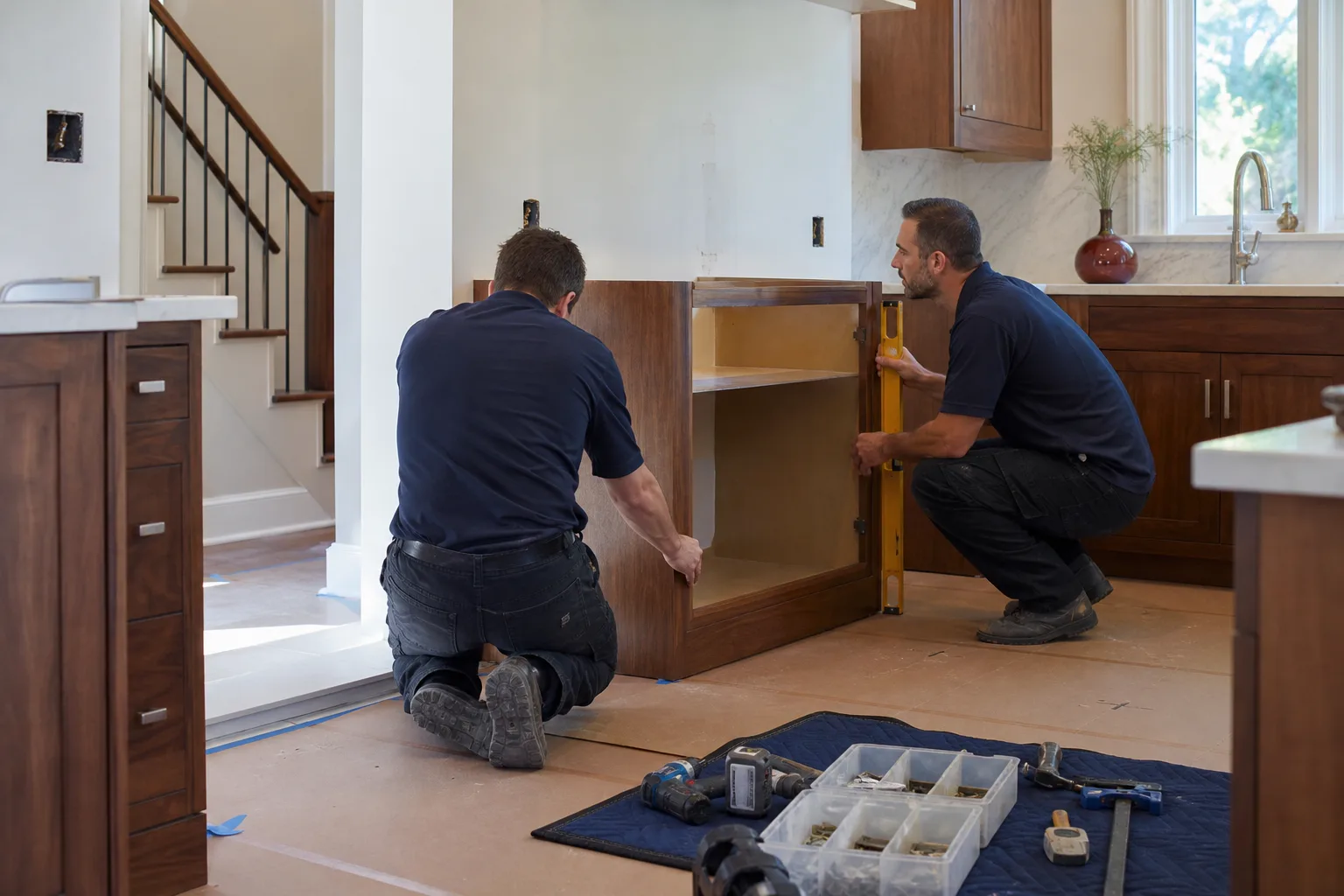
Hanging cabinets requires finding studs and leveling across a wall that is almost never actually plumb. In Kendall’s older homes, drywall was often installed over furring strips, and studs can be 24 inches apart instead of 16. That changes how many fasteners you need and where they go. Get it wrong and the cabinet pulls away from the wall within a year, especially under the weight of dishes.
Tile work
Floor tile, backsplash tile, and wall tile. The skill barrier here is honest: tile setting is a learnable trade, but the failure modes (lippage, hollow spots, cracked grout joints) show up after six months. Kendall’s summer humidity and the ground movement common in South Florida make proper substrate prep (cement board, waterproofing membrane) non-negotiable. Skip it and the tile cracks.
Countertop floating
If you’re reusing existing cabinets and dropping a new laminate or butcher block top, that’s achievable DIY. Natural stone and quartz (Cambria, Silestone, Caesarstone) require templating by a fabricator and installation by a professional. There is no realistic DIY path to a solid-surface countertop.
Replacing a dishwasher or garbage disposal
Legal to do yourself if you’re replacing like-for-like and no new electrical or plumbing lines are involved. If the new appliance needs a new dedicated circuit, you’ve crossed into Tier 3.
If you’re getting quotes for any of these Tier 2 projects, our General Contractor in Kendall page covers the scope and pricing you should expect.
Tier 3: Professional-Only Work
This is the line we won’t cross, and we think you shouldn’t either:
- New electrical circuits. Adding a 20-amp dedicated circuit for a countertop appliance, moving an outlet, adding under-cabinet lighting, or upgrading your panel. This triggers a permit in Miami-Dade and requires a licensed electrician. Do it unpermitted and you’ve created a defect you’re legally required to disclose at resale.
- Gas line work. Any change to a gas range or oven connection requires a licensed plumber or gas contractor and inspection. Don’t touch it.
- Moving plumbing supply or drain lines. Relocating a sink to a new wall means new supply lines and a new drain run, both permitted work. Even a simple sink swap turns into a permit if you’re moving the location.
- Structural changes. Removing a wall, widening an opening, adding a beam. This needs engineering, permitting, and licensed work. No exceptions.
- Water heater and appliance replacements requiring new gas or electrical service. Same rule as above.
Worth being clear about why: these aren’t just permit requirements. They’re the tasks where a failure can cause fire, gas leak, or water damage that insurance won’t cover if the work wasn’t permitted and inspected. In Kendall, we’ve seen insurance claims denied over an unpermitted outlet addition. It’s not worth the risk.
Miami-Dade Permit Rules for Kitchen Work
Miami-Dade County requires a permit for essentially any kitchen work beyond the surface. Here’s the practical breakdown:
- Permit required: new or relocated electrical circuits, plumbing line changes, gas line work, structural changes, water heater replacement, new windows or doors, and any work that affects the building’s electrical panel.
- Permit usually not required: painting, hardware, cabinet refacing (not replacement), replacing a faucet (like-for-like), replacing a light fixture, and cosmetic tile in many cases – but check with the county on tile if you’re replacing a backer board.
- Inspection required: any permitted work. Rough-in inspection before wall closure, final inspection after completion.
The consequence for unpermitted work is what most homeowners underestimate. When you sell, you must disclose any unpermitted improvements in most Florida transactions. A buyer’s inspector will often catch unpermitted electrical or plumbing work. If they do, you’ll either pay to pull a permit retroactively (which is more expensive than the original permit), negotiate the sale price down, or lose the sale. In a market like Kendall where resale matters, this is a real cost.
One more note specific to South Florida: homes in flood zones (parts of Kendall near the canal system) may trigger additional review for kitchen work that affects floor elevation or mechanical systems. Ask the county permit office directly before assuming a task is exempt.
How DIY Work Affects Your Contractor’s Guarantee
This is the section most guides skip, and it’s the one that costs homeowners the most when they get it wrong.
Every reputable contractor’s workmanship guarantee covers the work they perform and the conditions they control. If you do adjacent work yourself, or hire someone else, most guarantees are voided for the affected area. Not because the contractor is being unfair, but because the cause of a failure becomes unclear when multiple parties touched the same system.
Here’s what that means practically. If we install a new tile floor and you later do your own plumbing in the same room, and the tile cracks because of a slow leak under it, the tile guarantee no longer applies – because the cause was your plumbing. Same thing on the reverse: if your DIY cabinet install pulls a wall out of plumb, and a pro cabinet goes on that wall later, the pro cannot guarantee level cabinets.
This is why our Penhallow Remodeling Kendall home page leads with the 365-Day Done Right Promise – if the work we perform fails within a year, we come back and fix it at no charge. But that promise covers the work we did, on the substrate conditions we started with. It’s why we insist on a written scope – so both sides know exactly where our responsibility ends and yours begins. The Bathroom Remodeling in Kendall team uses the same standard on every project.
Before you start any DIY, ask your contractor directly: which of your tasks will void my guarantee, and on what? A good contractor will tell you plainly. Ours will.
The Honest Math on DIY Savings
Let’s talk real numbers. Here’s where DIY saves you money, and where the savings disappear.
- Cabinet painting: $200-$500 in materials versus $4,000-$8,000 professional. Net savings: real and substantial. This is the best DIY ROI in the kitchen.
- Cabinet installation: Pro install runs $2,000-$5,000 in Kendall. DIY materials run $300-$600, but if you’re renting tools (or buying them) and redo one cabinet, the net savings approach zero. If you redo the whole run, you’ve lost money versus hiring out.
- Tile backsplash: Pro cost in Kendall runs $800-$2,500 installed. DIY materials run $150-$500, plus $200-$400 in tools (wet saw, trowel, spacers, grout float). Reasonable net savings IF you get it right first time. One redo and you’re break-even or worse.
- Faucet replacement: Pro install runs $150-$350. DIY is basically free (materials only). Clear savings.
- Demo: Pro demo and haul runs $500-$1,500. DIY saves the labor but you’ll pay a dumpster rental ($300-$500 in Kendall) and haul fees. Net savings: modest.
- Any electrical or plumbing line work: no legitimate DIY savings. The permit, inspection, and licensing costs are non-negotiable, and the consequences of doing it unpermitted are worse than the savings.
The math on tile is the most interesting. If you’re a confident tiler, DIY saves real money. If you’ve never set tile, a first-attempt backsplash in a 100-square-foot run often costs more after you redo one section than hiring out would have. Be honest with yourself about which you are.
What to Tell a Contractor Up Front
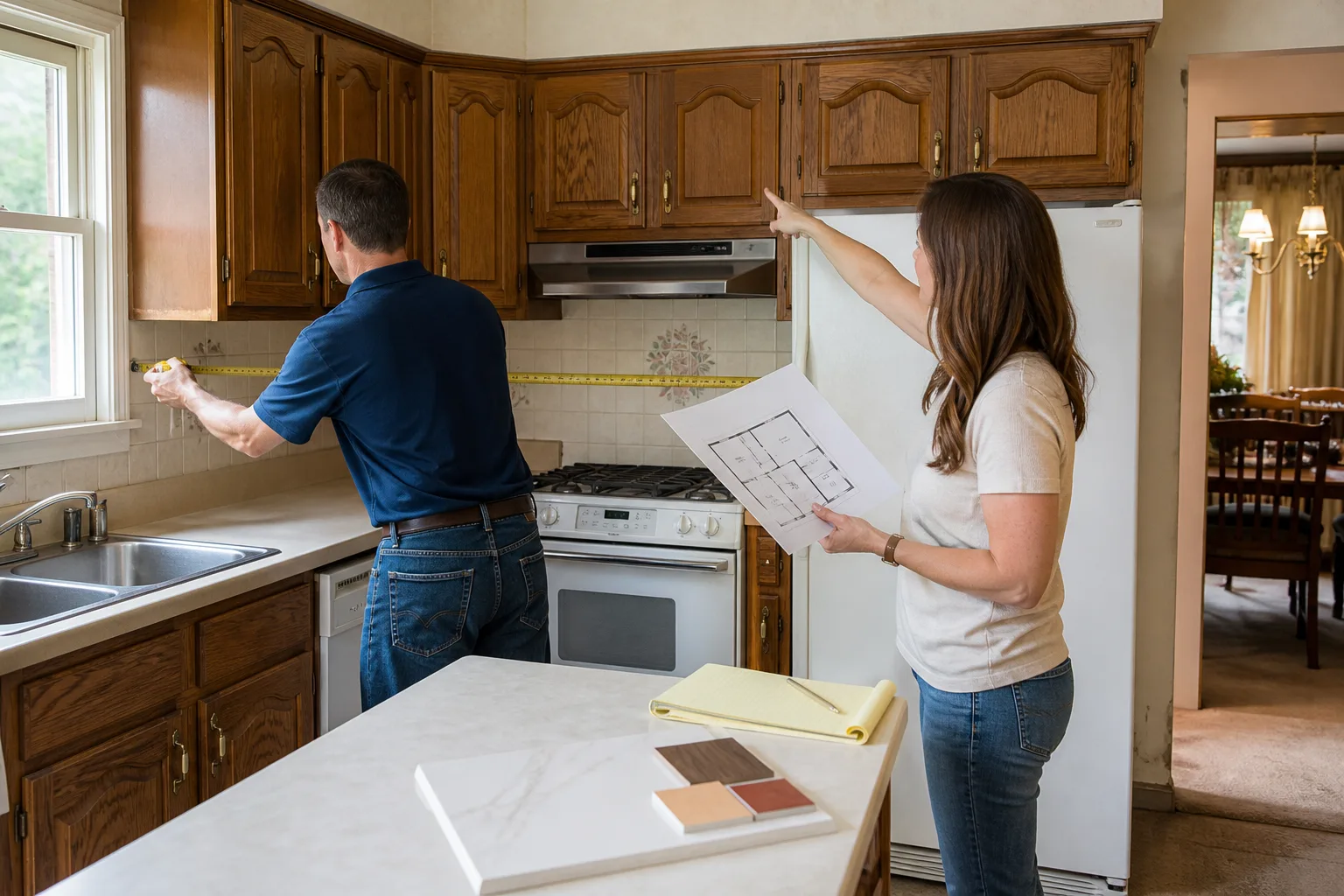
If you’re planning to handle part of the job yourself, tell the contractor before the first walkthrough, not after. Here’s exactly what to communicate so the scope and pricing are written accurately from the start:
- Which tasks you’re doing. Be specific. “I’m painting the cabinets and doing the demo” is useful. “I’m doing some stuff myself” is not.
- When you’re doing them. Before, during, or after the professional work? This affects sequencing and scheduling.
- Who’s doing the finish work. If you’re doing cabinets, who installs the countertop? If you’re doing demo, does the pro need to inspect the walls after demo before tile?
- What permits you’re pulling. If you’re handling any permitted work yourself (“owner-builder” permits exist in Florida but are limited), say so clearly.
- What conditions you’re leaving the substrate in. If you’re pulling cabinets before the pro installs new ones, what condition is the wall in? This determines scope.
A contractor operating to a written-price standard will document exactly what’s included, what’s excluded, and where the guarantee applies. That’s the Kingswell Way in plain terms: say the price before the work, show up in the window we gave, leave the place cleaner than we found it.
Common Mistakes to Avoid
- Starting demo before the permit is pulled. In Miami-Dade, pulling a permit is a pre-work step. Demo before the permit and the inspector can require you to open walls to verify what was there. Always permit first.
- Painting cabinets without degreasing. Kendall humidity makes kitchen grease the number one cause of cabinet paint failure. Even if the cabinets “look clean,” they aren’t. TSP or a degreasing cleaner, then sand, then prime with a bonding primer – no shortcuts.
- Assuming a wall is not structural. It’s rarely obvious. Get an inspection before removing any wall, even if it seems non-load-bearing. The cost of a structural check is small. The cost of being wrong isn’t.
- Adding a circuit without a permit. The temptation to run a new outlet for a countertop appliance is real. Do it unpermitted in Kendall and you’ve created a disclosure obligation that follows the house. Every buyer’s inspector will find it.
- Buying tile before the substrate is prepped. Different substrate types change the tile thickness you can use and the adhesive you need. Know your substrate first, then buy tile.
- Assuming your contractor’s guarantee covers your DIY work. It doesn’t. Get the scope in writing before you pick up a tool. If you’re unsure, ask.
- Hiring the cheapest bid without a written scope. A verbal estimate that changes at the door is the number one thing our customers say they were burned by before they called us. Ask for the price in writing before work starts – from us or anyone else.
See the difference
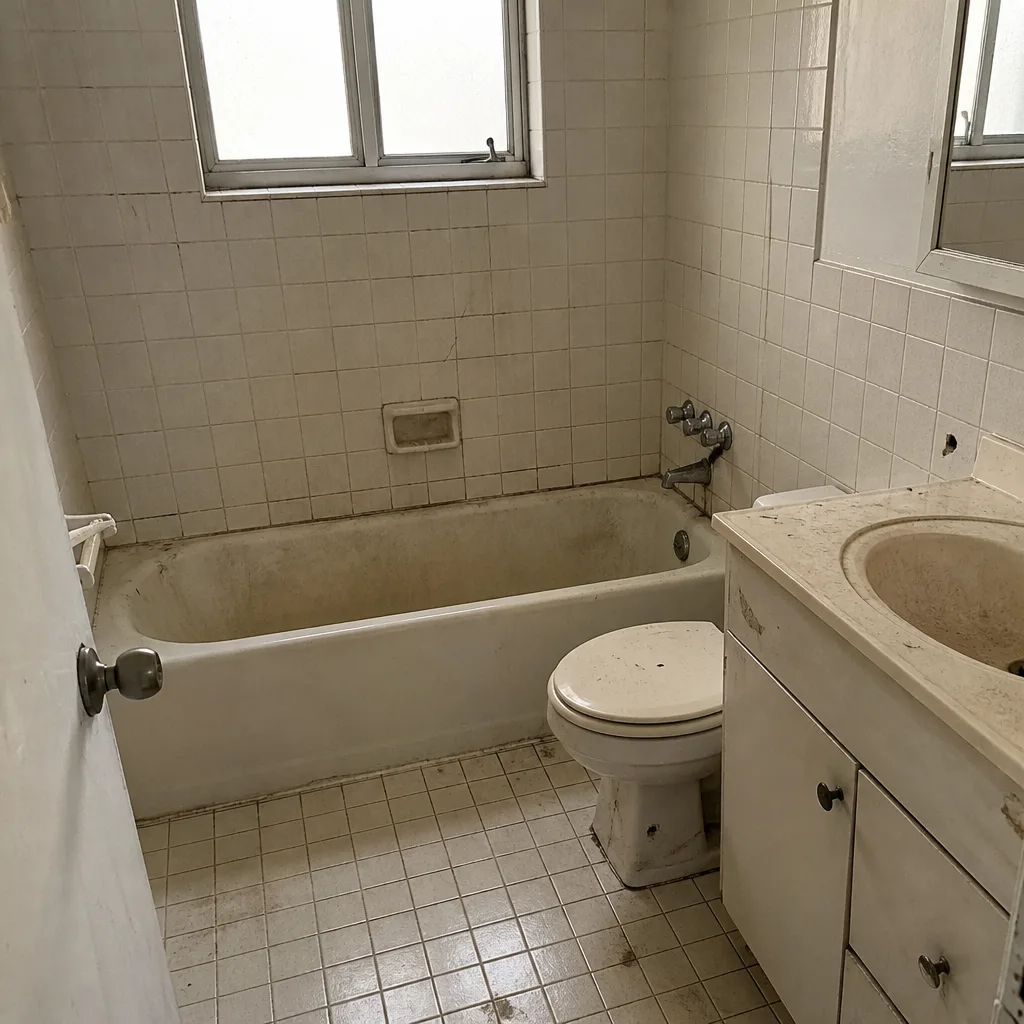 Before
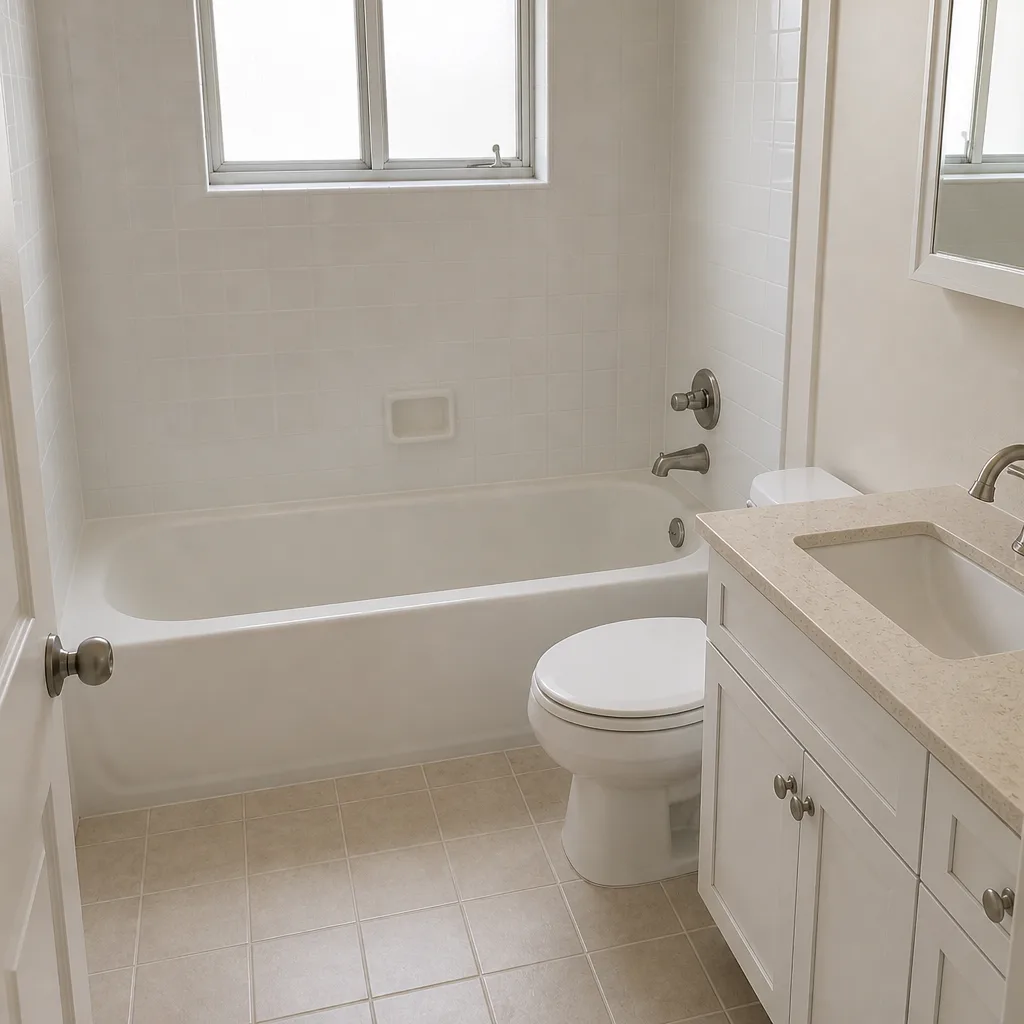 After
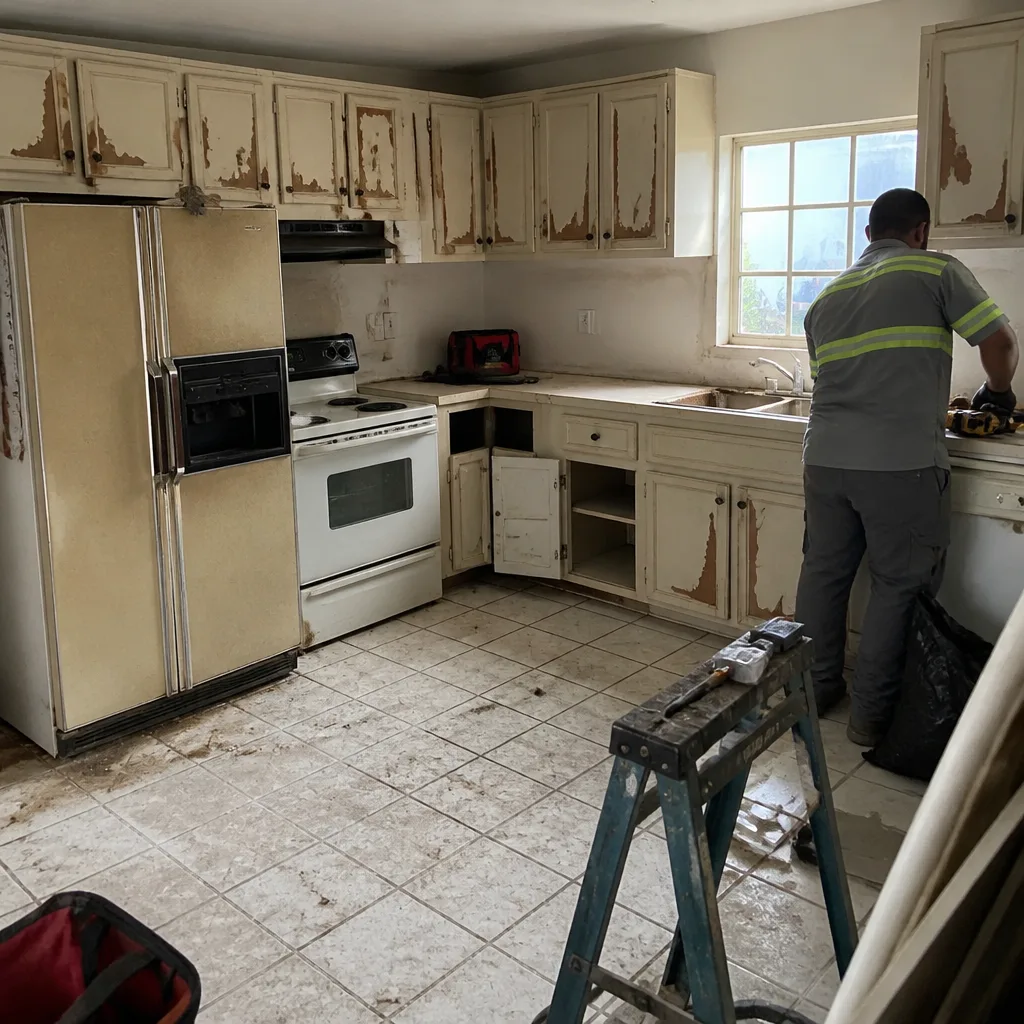 Before
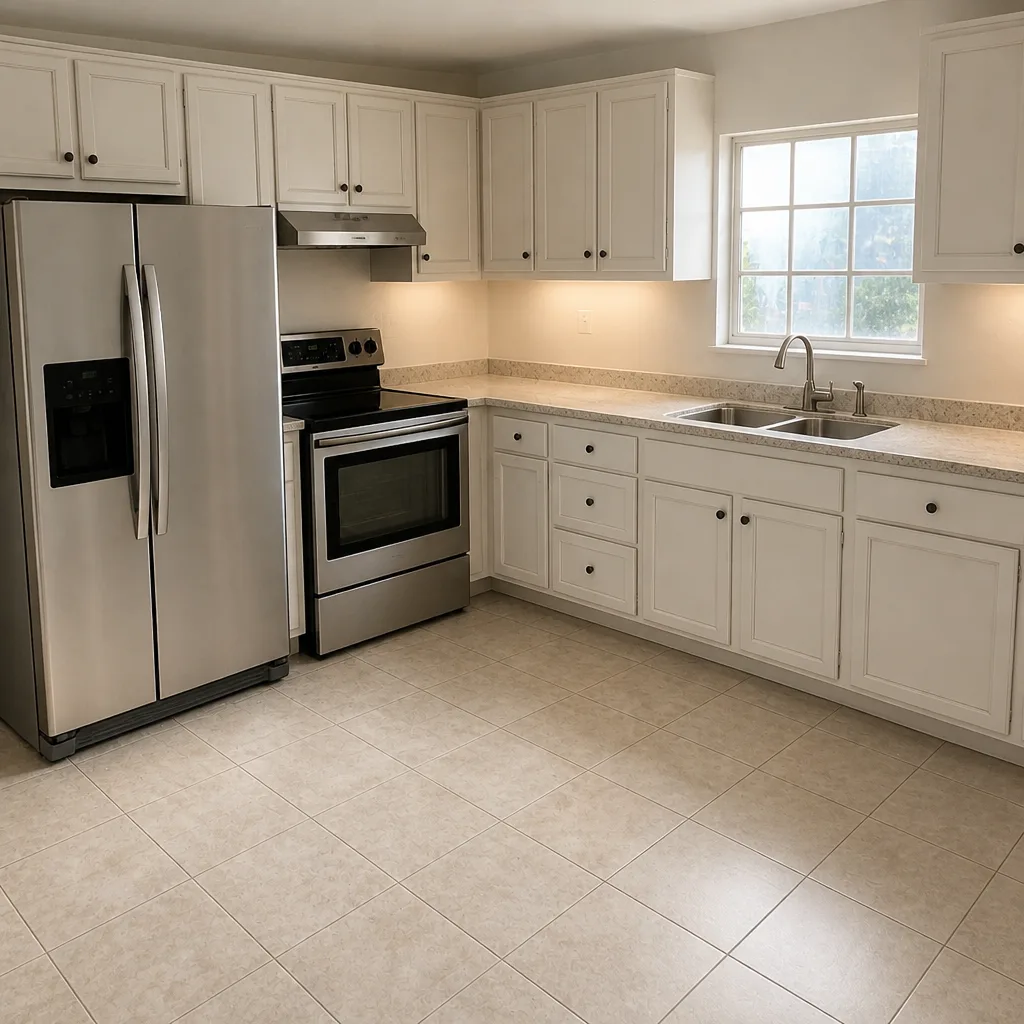 After
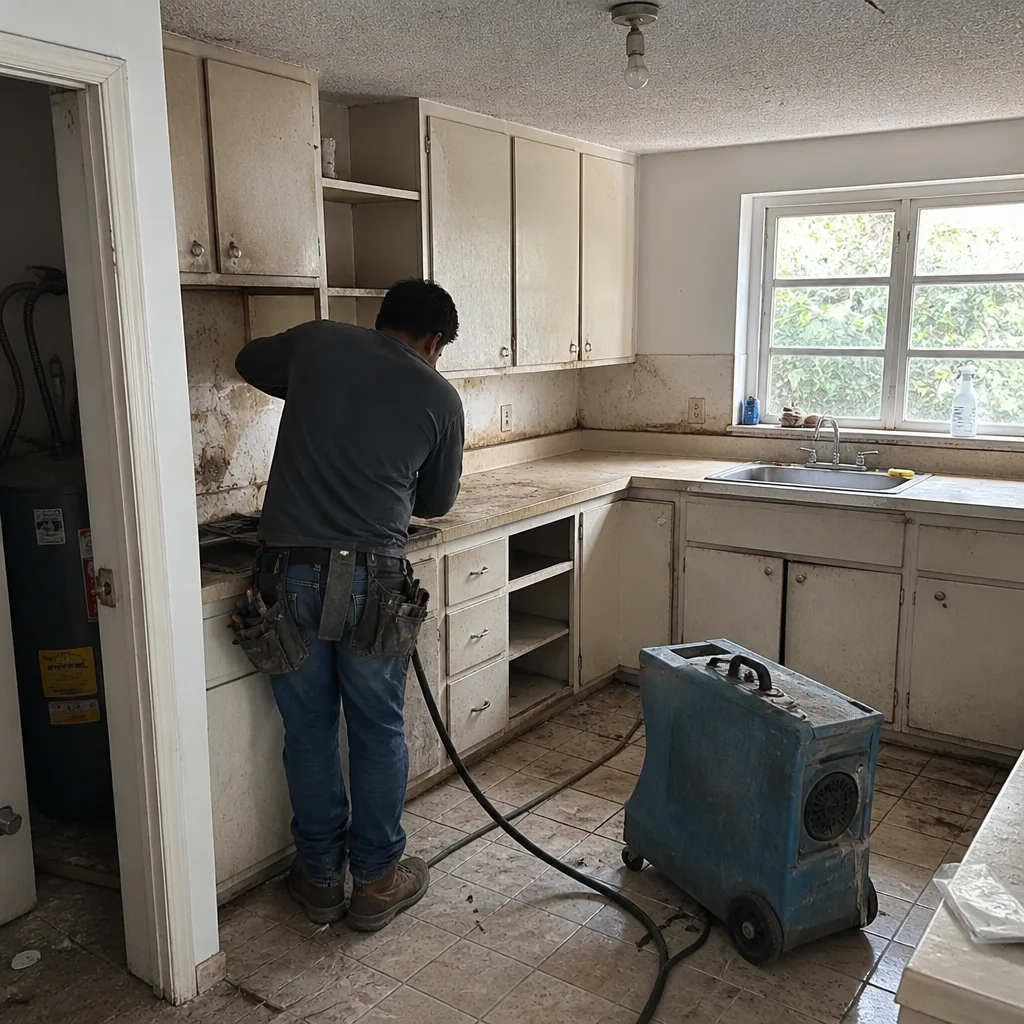 Before
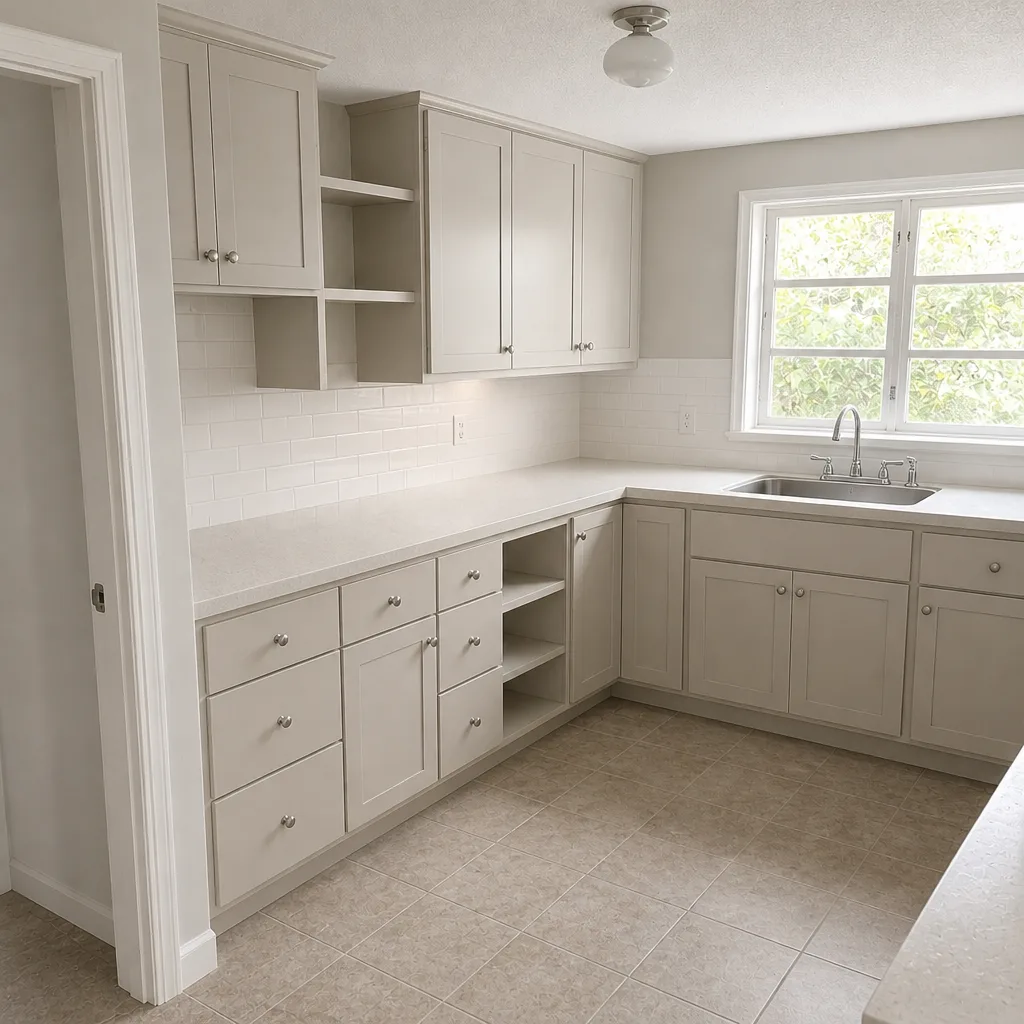 After
When to Call a Professional
Call a professional the moment a task crosses into Tier 3 – new circuits, gas, plumbing lines, structural changes. Call us sooner if you’re on the fence about Tier 2: cabinets, tile, or countertop work where a mistake could cost you more than the labor saved. In our experience, the homeowners who reach out for a walkthrough before starting DIY work end up with a clearer plan, a written scope, and no surprise redos. Penhallow Remodeling Kendall offers free estimates in Kendall – call (844) 560-5417. We put the price and the guarantee in writing before any work starts, so the number on day one is the number on the invoice. Every technician arrives background-checked and in uniform, and a live person answers the phone 24/7 if you need to reach us before the walkthrough.
Frequently Asked Questions
Yes. Demolition of cabinets, countertops, and backsplash tile is safe DIY in Kendall as long as you’re not removing structural walls or altering plumbing or electrical. Wear gloves and eye protection, and if your home predates 1978, test for lead paint before demo. Rent a dumpster for haul-away (they run $300-$500 in the Kendall area), and have a pro inspect the walls before you install anything new. Call (844) 560-5417 if you want a free walkthrough first.
Yes, if you do the prep correctly. Kendall humidity makes cabinet paint fail faster than in dry climates, and the number one cause is skipping degreasing. Use TSP, sand lightly, prime with a bonding primer rated for kitchens, and use a cabinet-grade paint (not wall paint). Done right, a DIY paint job holds up 5-7 years in South Florida. Done wrong, it peels within a year. Estimates are free if you’d rather hire out.
For a like-for-like faucet replacement – same location, same connections – no permit is required in Miami-Dade. If you’re moving the faucet location or changing the supply lines, a permit is required. Call (844) 560-5417 for an exact scope on your project – estimates are free.
Usually no. Countertop fabricators (Cambria, Silestone, Caesarstone installers especially) require that cabinets be installed by a professional and level before they’ll template and fabricate the top. If you DIY the cabinets, the fabricator will often void the countertop warranty because the substrate is not under their control. This is a real case where DIY cabinet install can cost you money long-term. If you’re considering it, get quotes for both – the math often favors pro install.
You are legally required to disclose unpermitted improvements in most Florida real estate transactions. A buyer’s inspector will often catch unpermitted electrical or plumbing work. The consequence ranges from having to pull a retroactive permit (more expensive than the original), to negotiating the sale price down, to losing the sale. In a resale-conscious market like Kendall, unpermitted work is a real cost. Call (844) 560-5417 for a free permit review before you start.
It depends entirely on which tasks are yours. A typical pro-only kitchen remodel in Kendall takes 4-8 weeks. If you’re doing demo, paint, and tile yourself around the pro scope, add 1-3 weeks to the overall timeline because sequencing between your work and theirs needs buffer. The most common mistake is scheduling DIY work in parallel with pro work on the same space – do it sequentially, even if it adds time. Call (844) 560-5417 for a written timeline that accounts for both.
The Bottom Line
The DIY versus pro question in a Kendall kitchen comes down to two questions: does the task trigger a Miami-Dade permit, and does a failure hurt someone or void a guarantee? Tier 1 tasks – painting, hardware, faucet swaps on existing lines, demo – are genuinely safe DIY and save real money. Tier 3 tasks – new circuits, gas lines, plumbing line moves, structural changes – are not negotiable. Tier 2, the middle ground, is where honesty about your own skill level matters most, because the redo cost usually exceeds the labor saved. Keep it simple: do the safe work yourself, hire out the permitted work without hesitation, and get every scope in writing so the guarantee applies where it should. That’s what we mean when we say Penhallow puts the price and the guarantee in writing before a single cabinet is pulled.
Call Penhallow Remodeling Kendall at (844) 560-5417 to schedule your free estimate. Our technicians bring up to 22 years of experience, we operate under the 365-Day Done Right Promise, and every project starts with a written number you can hold us to. A live person answers the phone around the clock.
Written by the team at Penhallow Remodeling Kendall.