Last updated November 18, 2026




Free written scope consultation - allowances, timeline, and change-order rules on paper before a single trade is scheduled
DIY vs Professional Construction: The Kendall Homeowner’s Decision Guide
Florida homeowners are legally allowed to pull their own permits and act as their own general contractor. That surprises a lot of people who move to Kendall expecting a wall of red tape. Here’s the part that surprises them more: the moment you sign as owner-builder in Miami-Dade, you’re personally on the hook for meeting High-Velocity Hurricane Zone code, and if the work fails a final inspection, your homeowner’s policy may not cover the loss you just created. This guide draws the DIY-versus-hire line where it legally and financially matters, not where it feels good on a Saturday morning.
Quick Answer
In Kendall, DIY makes sense for cosmetic work that needs no permit: paint, trim, landscaping, tile over a sound substrate. It does not make sense – legally or financially – for anything structural, electrical, plumbing, or roof-related, because Miami-Dade’s HVHZ code, your insurance policy, and your future sale all depend on that work being permitted, inspected, and recorded. The owner-builder exemption lets you avoid hiring a contractor; it does not let you avoid the code, the inspection, or the liability.
Styles & brands we work with
- Kitchen remodeling
- Bathroom remodeling
- Home additions & ADU
- Roofing
- Windows & doors
- Driveway & pavers
- Fence
Table of Contents
- What Florida’s Owner-Builder Exemption Actually Allows
- Where the Exemption Applies and Where It Doesn’t
- HVHZ Code: Why Miami-Dade Is a Different Animal
- How Unpermitted Work Gets Discovered in Kendall
- The Insurance Gap Nobody Mentions
- What DIY Genuinely Saves You Money On
- Handing Off a Job You Almost Did Yourself
- Common Mistakes to Avoid
What Florida’s Owner-Builder Exemption Actually Allows
Florida Statute lets a homeowner pull permits and perform work on a single-family residence they intend to occupy, without holding a contractor’s license. That’s the exemption in plain terms. What it does not do is waive the building code, excuse you from inspections, or shield you from the consequences if the work is wrong.
“Performing the work yourself” has a specific legal meaning that trips up a lot of Kendall homeowners. It means you or an unpaid helper do the labor. The minute you pay a friend, a handyman, or an unlicensed crew to do the electrical rough-in under your owner-builder permit, you’ve broken the rule that made the permit legal in the first place. If that work later fails, you’re the one holding the bag, not the person you paid.
A few things the exemption requires you to accept:
- You sign an affidavit swearing the property is for your own use, not for sale or rent within a year.
- You become the “contractor of record” for inspections – meaning you schedule them, you’re present for them, and you answer for the corrections.
- You assume the liability a licensed contractor would otherwise carry, including worker injury on your property and defective work.
- You lose the disclosure protections that come with a licensed contract and a written scope.
None of this is a reason to panic if you’re planning to paint your own living room. It’s a reason to slow down before you sign an owner-builder affidavit for a bathroom addition. Our General Contractor in Kendall team fields questions about this constantly, and the honest answer is usually: the affidavit is easy, the aftermath isn’t.
Where the Exemption Applies and Where It Doesn’t
The exemption applies broadly to single-family homes. It applies more narrowly to condos and townhomes, where your HOA and the building’s master policy add a layer of rules you don’t control. In Kendall’s many gated communities and condo associations, the HOA often requires a licensed contractor regardless of what Florida law permits – because their insurance carrier requires it.
Here’s the practical split we see on the ground:
- Owner-builder works: Single-family detached homes, work you’ll actually do yourself, no structural changes, no new electrical circuits, no gas line work.
- Owner-builder gets complicated: Anything touching the roof envelope, anything in a flood zone, anything requiring engineering or a product approval under HVHZ.
- Owner-builder does not work: Condos and townhomes with HOA contractor requirements, multi-family, and any project you intend to sell within a year of completing.
If you’re planning a kitchen or bath and want to understand what the permitted path looks like, our Kitchen Remodeling in Kendall and Bathroom Remodeling in Kendall pages walk through scope, permitting, and inspection sequencing in detail.
HVHZ Code: Why Miami-Dade Is a Different Animal
Miami-Dade sits inside the High-Velocity Hurricane Zone, and that changes everything about what “meeting code” means. Products installed here need Miami-Dade Product Approval or a Florida approval with a Miami-Dade NOA. Your shingles, your windows, your garage door, your impact glass – all of it needs paperwork that most homeowners have never heard of until an inspector asks for it.
For a Kendall homeowner doing their own work, this is where the exemption stops being liberating. You can pull the permit. You can theoretically install the product. But you also need to produce the product approval documentation, install per the manufacturer’s HVHZ-specific instructions, and pass an inspection that will check for the exact fastening pattern and the exact label. Miss a detail and you’re re-doing the work or paying someone to.
Some specifics that catch DIYers in Kendall:
- Roof-to-wall connections and secondary water barriers have specific requirements that don’t appear in a generic YouTube video.
- Window and door replacements require impact-rated products with matching approvals – a “hurricane-rated” sticker isn’t the same as a Miami-Dade NOA.
- Any structural change requires sealed engineering, which means a licensed engineer, which means you’re not doing this alone.
That doesn’t mean every improvement needs an engineer. It means the ones that do are precisely the ones that cost the most to fix later. We install James Hardie siding and Therma-Tru doors because those manufacturers publish the HVHZ approvals our inspectors want to see – the paperwork is part of the product.
How Unpermitted Work Gets Discovered in Kendall
Unpermitted work almost always surfaces at the worst possible moment: the home inspection during a sale. A Kendall buyer’s inspector opens the panel and sees a subpanel that isn’t on the permit record. They notice the bathroom that grew a foot according to the tax rolls. They flag the enclosed garage that was converted without a change of use. The deal stalls, and now you’re negotiating from weakness.
The remediation math is what most homeowners don’t anticipate. Here’s the range we typically see in Kendall:
- Opening a permit retroactively for minor work: $500-$1,500 in fees plus the cost of correcting whatever fails inspection.
- Remediating an unpermitted bathroom: $3,000-$12,000, depending on whether the rough-in needs to be opened up.
- Remediating an unpermitted structural change or addition: $15,000 and up, sometimes far up, because the fix involves engineering, demolition, and rebuild.
- Lost negotiating leverage at sale: often 2-5% of the sale price, because buyers price in the risk and the hassle.
Compare that to doing it permitted from the start: a bathroom permit in Miami-Dade typically runs a few hundred dollars plus inspection fees. The delta between the two paths is enormous, and it’s entirely predictable. That’s the core argument of this guide. Not “hire a pro because pros are better” – hire a pro, or at least permit the work, because the unpermitted path is more expensive in almost every scenario.
The Insurance Gap Nobody Mentions
This is the part that ends conversations. If a DIY electrical or plumbing project causes a loss – a fire, a flood, a slow leak that rots a subfloor over two years – your Florida homeowner’s policy may deny the claim because the work was unpermitted, improperly installed, or performed outside code. Carriers don’t advertise this. They apply it during the claims investigation, when you’re already underwater.
The pattern is consistent. A homeowner adds a circuit for a hot tub. The breaker wasn’t sized to the load. Two years later there’s a fire. The carrier’s adjuster asks for the permit, finds none, and points to the exclusion. The homeowner is now paying for a fire they caused with a project they thought they were smart to do themselves.
Some specifics worth knowing:
- Most Florida policies include exclusions for work performed without required permits and for faulty workmanship – the two things DIY projects most often produce.
- A permitted, inspected project – whether self-performed or contractor-performed – creates a record the carrier can rely on. That record matters when you file a claim.
- Water damage from a DIY shower pan failure is one of the most common denied claims we hear about in Kendall. The pan looks fine for a year. Then it doesn’t.
If you’re going to do the work yourself, at minimum pull the permit and pass the inspection. The permit fee is the cheapest insurance you’ll buy on that job. For everything else, our Penhallow Remodeling Kendall home page outlines the guarantees we put in writing – including the 365-Day Done Right Promise, which means if the work fails inside the first year, we come back and fix it at no charge.
What DIY Genuinely Saves You Money On
Now the other side. There are plenty of Kendall projects where DIY is the right call, saves real money, and creates no legal exposure. The list is narrower than the internet suggests, but it’s not empty.
Here’s what’s genuinely safe to do yourself in a Kendall home, assuming you’re competent and careful:
- Interior paint. No permit, no inspection, no code issue. The savable amount is $2,000-$6,000 on a typical interior repaint versus hiring it out.
- Trim, baseboard, and crown molding. Cosmetic, reversible, no permit. A homeowner with a miter saw and patience saves $1,500-$4,000 on a whole-home trim package.
- Landscaping and sod. No permit needed to plant or re-sod. If you’re installing a paver patio, learn the base prep – Tremron and Techo-Bloc pavers are only as good as the base under them, and a wavy patio is the most common DIY paver failure we see.
- Tile over a sound, dry substrate. Cosmetic tile replacement in a powder room or backsplash is genuinely DIY-friendly. Tile in a wet area – a shower floor or a tub surround – is not, because the waterproofing layer is where the failure happens.
- Cabinet hardware, lighting fixture swaps on existing circuits, faucet replacement on existing supply lines. These are reversible and don’t require permits. If you’re adding a new circuit or moving a supply line, stop.
Note what’s not on the list: anything requiring a permit, anything that touches water supply or drainage in a concealed way, and anything that affects the building envelope. Those are the areas where the savings get eaten by the remediation.
Handing Off a Job You Almost Did Yourself
The most common scenario we see in Kendall isn’t pure DIY or pure contractor. It’s the homeowner who started the demo, realized the scope was bigger than expected, and now needs a professional to pick up a project in progress. That’s fine – but it changes what you should ask for.
When you hand off a partially-diYed job, ask these questions before signing anything:
- “What needs to be re-done to pass inspection?” A good contractor will tell you plainly what has to come out. If they say “it’s all fine,” ask for that in writing.
- “Will you pull the permits, and under what scope?” The scope on the permit is what the inspector will check. Make sure it matches what’s actually being installed.
- “What’s excluded from this price?” The written scope is your protection against change orders. It should list what’s included, what’s not, and what triggers a change order.
- “What does the guarantee cover, and for how long?” A written guarantee is the difference between a contractor you’re hiring and a contractor who’s hiring you. Ours is a full year, and it’s in writing on every job.
- “If something fails after the job, who comes back and at what cost?” If the answer isn’t a written free return visit, get that answer in writing before you sign.
This is where a real quote differs from a handshake. The written number on day one should be the number on the invoice. We give every homeowner a written price before work starts – not an estimate range, not a verbal ballpark. If you’re picking up where you left off, the same standard applies.
Common Mistakes to Avoid
- Signing the owner-builder affidavit when you’re planning to pay someone to do the work. The exemption only holds if you or unpaid help do the labor. Paying a handyman under your permit voids the arrangement and puts you on the hook for their mistakes.
- Skipping the permit on a “small” bathroom or laundry project. In Miami-Dade, plumbing and electrical work needs permits regardless of how small it looks. The inspection record is what your future buyer’s inspector will look for.
- Assuming “hurricane-rated” means HVHZ-compliant. A product can be hurricane-rated for another state and still fail Miami-Dade’s approval requirement. Check the NOA, not the label on the box.
- Doing tile in a wet area without understanding the waterproofing layer. Cement board substrate (the moisture-resistant layer behind your tile) is not waterproofing. The pan and the membrane are. This is the most common DIY failure we remediate in Kendall.
- Not checking HOA contractor requirements before starting. Kendall’s gated communities often require a licensed contractor even where Florida law would let you self-perform. Read the HOA docs first.
- Assuming the insurance will cover a DIY failure. It often won’t, and the exclusion gets applied during the claims investigation, not at the point of sale. Read your policy’s exclusions before you pick up a tool.
- Hiring on verbal pricing. If the number isn’t in writing, it’s not a number – it’s a hope. The written price before work starts is what protects you when the scope shifts.
See the difference
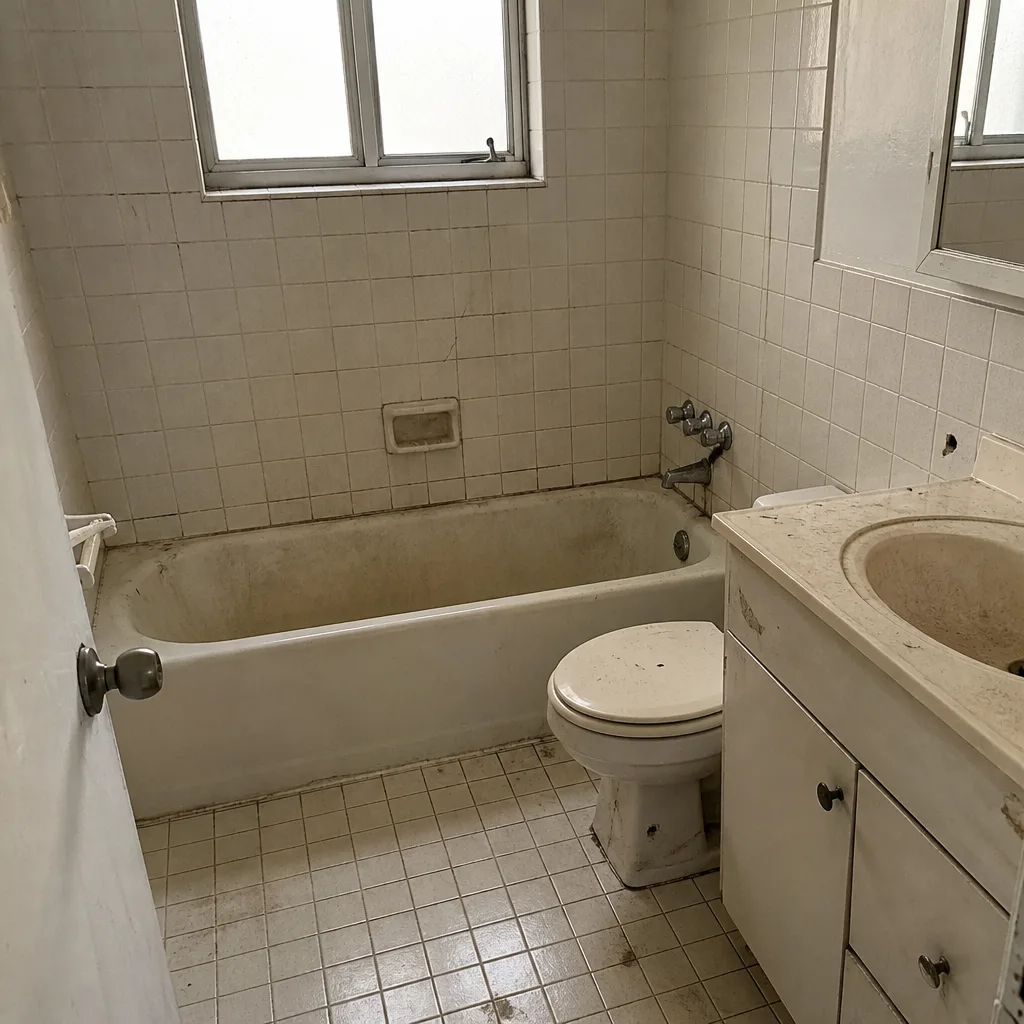 Before
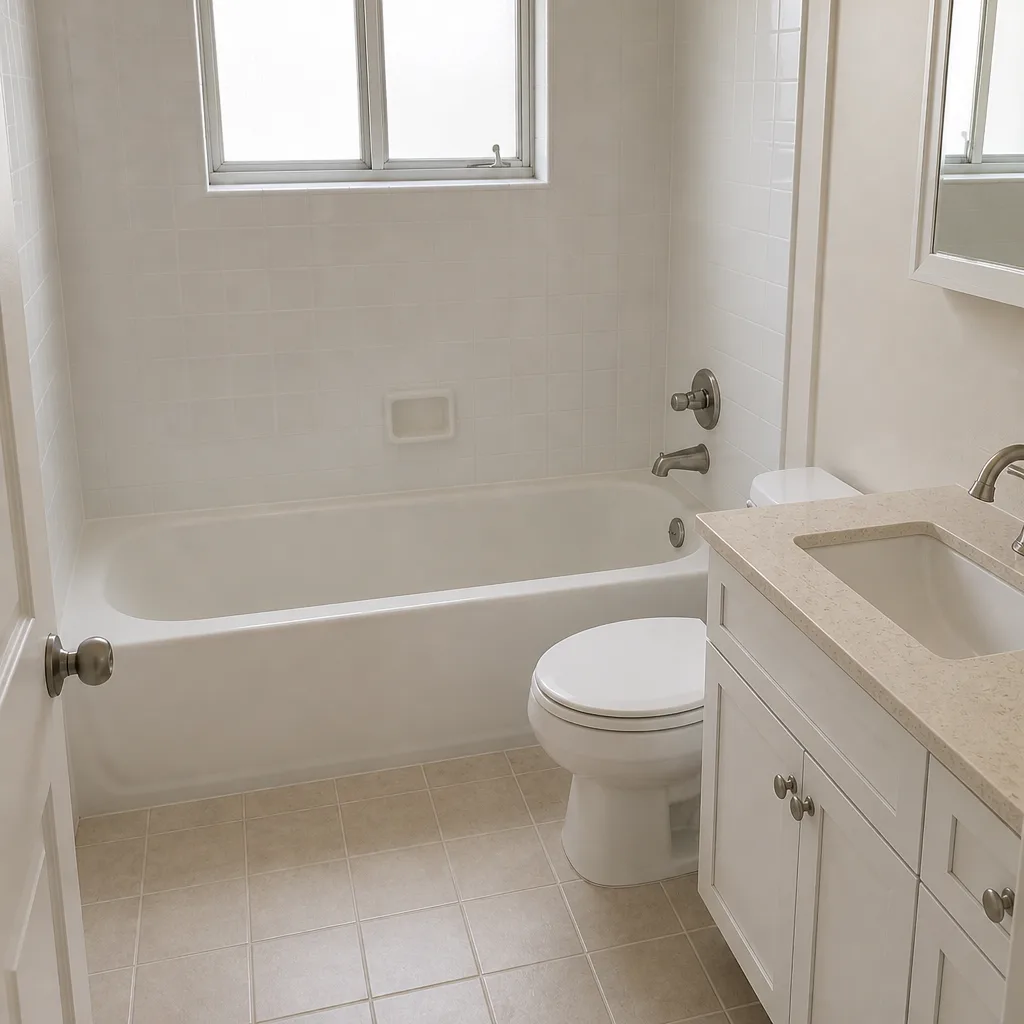 After
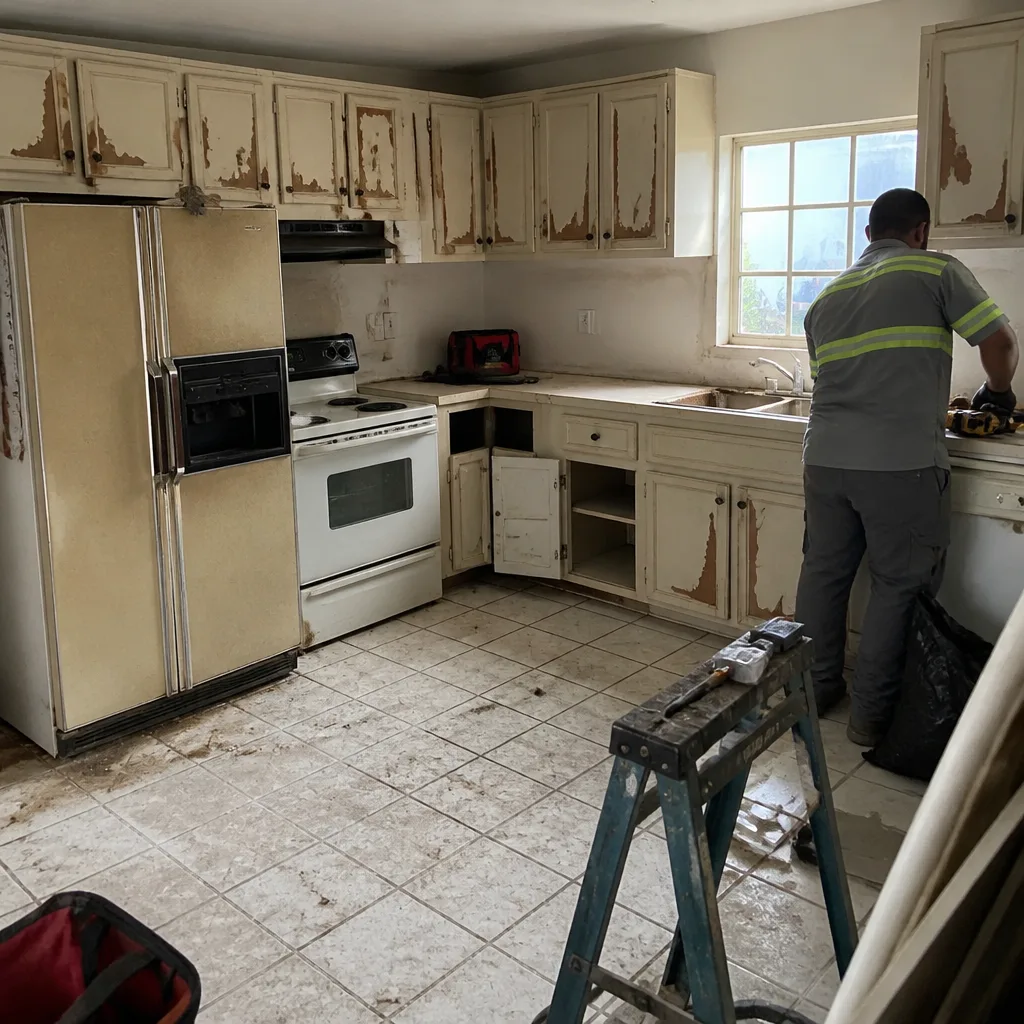 Before
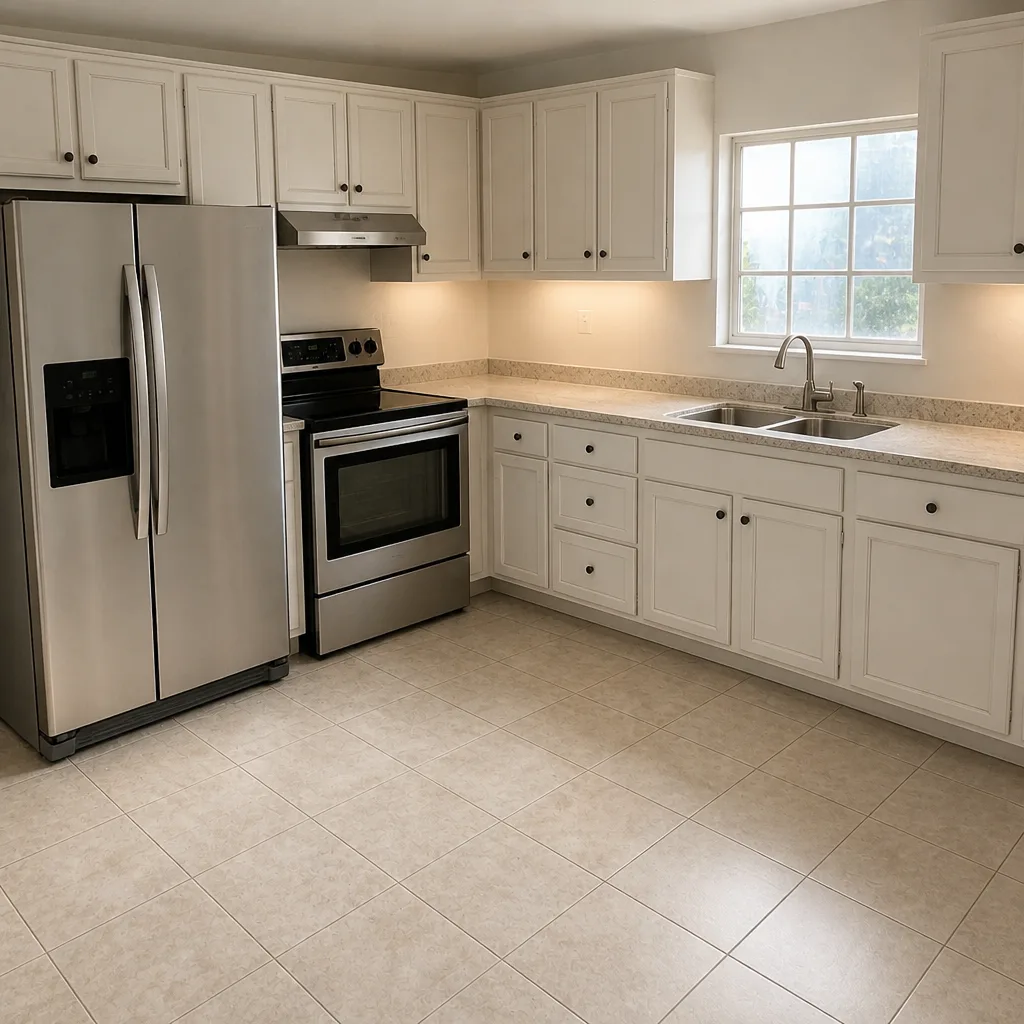 After
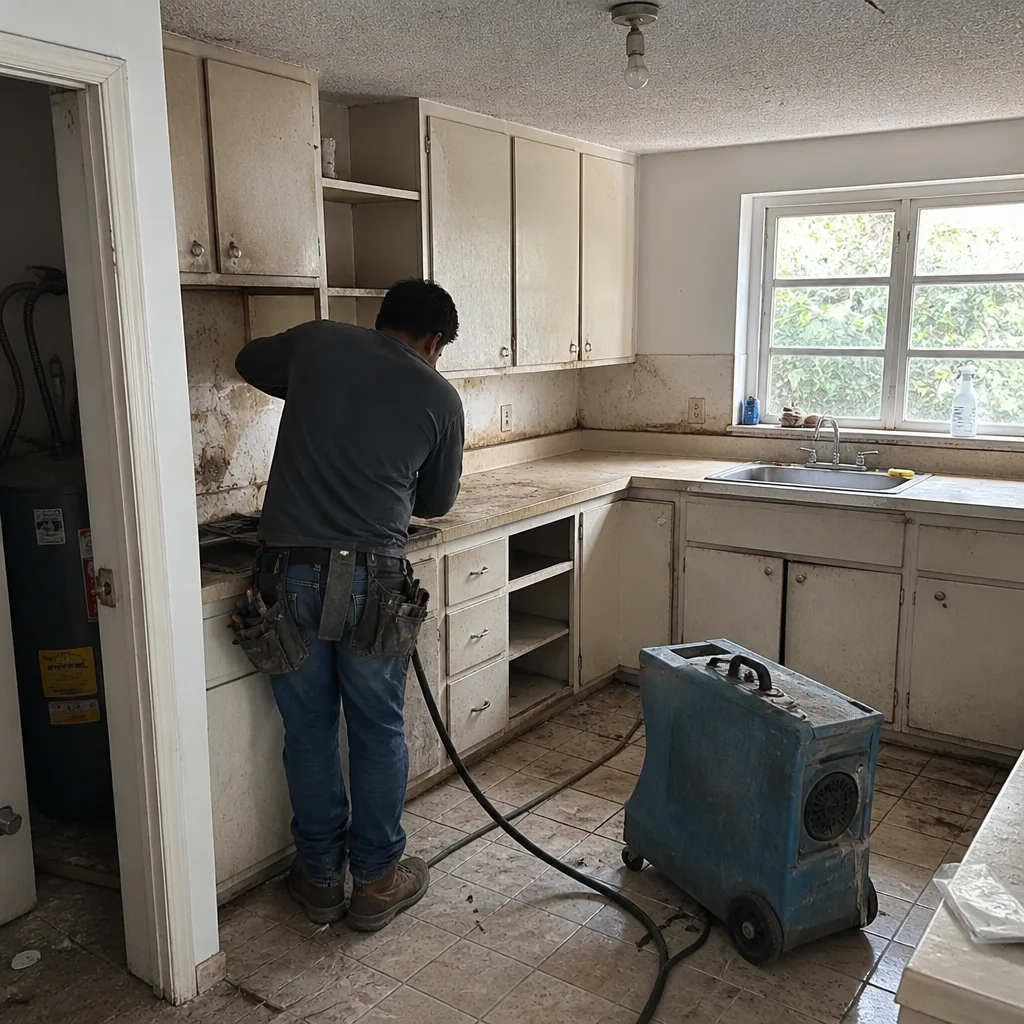 Before
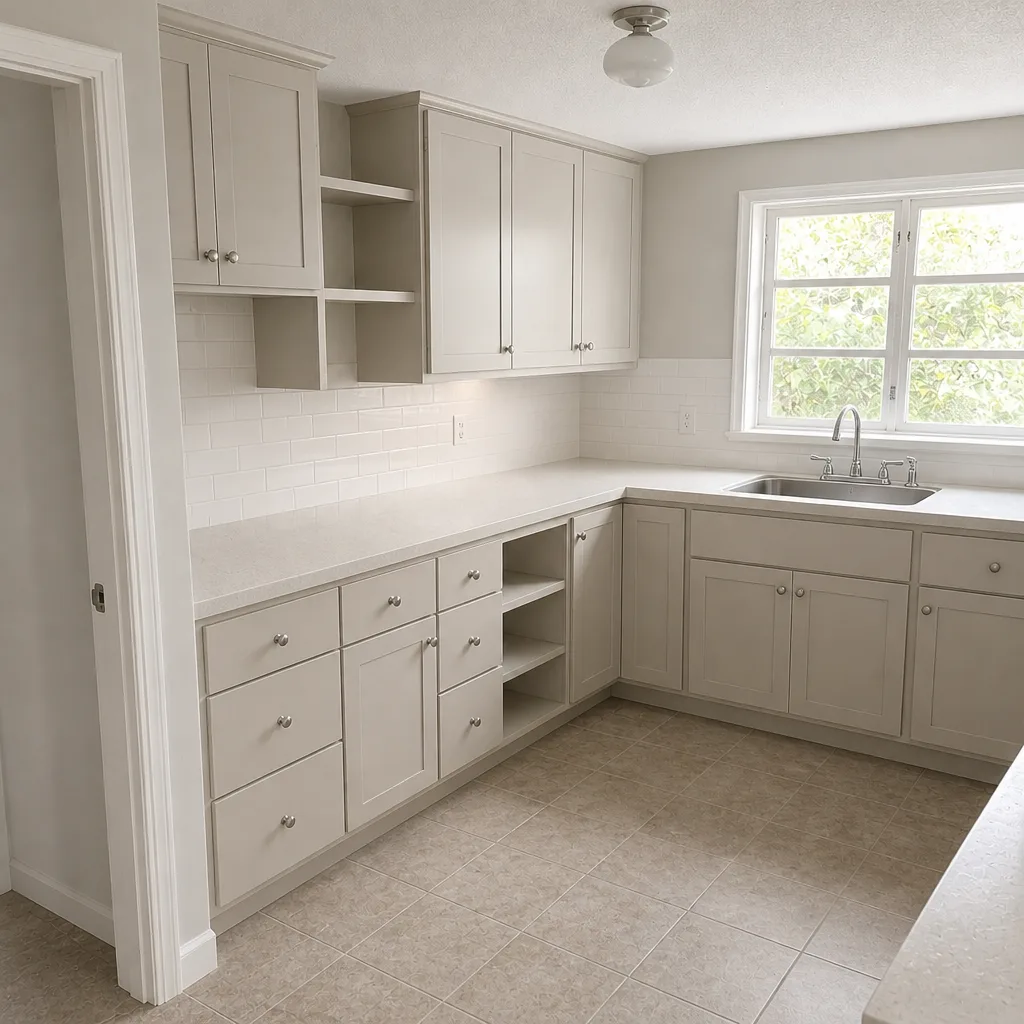 After
When to Call a Professional
Call a professional – and don’t do this yourself – for anything touching the electrical panel, gas lines, plumbing rough-in, roof envelope, or structural framing. Those are the areas where a failed inspection, a denied claim, or a serious injury is a realistic outcome, not a hypothetical one. Call a professional, also, when your HOA requires a licensed contractor, when you’re planning a sale within a year, or when the project involves sealed engineering. And call a professional when the demo is already started and the scope turns out to be bigger than you planned – a partially-finished job is the most expensive kind to leave sitting in Kendall’s humidity.
Penhallow Remodeling Kendall offers free estimates in Kendall and puts the price and the guarantee in writing before any work starts. Call (844) 560-5417 to schedule yours.
Frequently Asked Questions
Yes. Florida’s owner-builder exemption allows a homeowner to pull permits and perform work on a single-family home they intend to occupy. What it doesn’t do is waive Miami-Dade’s HVHZ code, the inspection requirements, or your liability if the work fails. If you’re going to self-perform, pull the permit and pass the inspection – the permit fee is the cheapest protection on the job.
Often, no. Most Florida policies exclude claims caused by work performed without required permits or by faulty workmanship, and both are common in DIY projects. The exclusion gets applied during the claims investigation, after the damage is done. If you have a leak or a fire caused by unpermitted work, the burden is on you to prove the work wasn’t the cause. Call (844) 560-5417 if you want a written scope and permitted work you can point to.
Typically $3,000-$12,000 for a bathroom, and $15,000 and up for a structural change or addition, plus the loss of negotiating leverage at sale – often 2-5% of the sale price. Compare that to a few hundred dollars for the permit up front. The delta is the entire argument for permitting the work, whether you do it yourself or hire it out. Call (844) 560-5417 for a free estimate if you’re evaluating a fix.
Not legally, if you own a single-family home and will do the labor yourself. But practically, most Kendall HOAs require a licensed contractor, and any wet-area work involves waterproofing that fails more often than it should when done without experience. Our Bathroom Remodeling in Kendall page walks through the permitted scope. Estimates are free – (844) 560-5417.
Ask what has to be redone to pass inspection, whether the contractor will pull the permit and under what scope, what’s explicitly excluded from the price, what the guarantee covers, and whether the return visit if something fails is free. Get all five answers in writing. If the contractor won’t put the guarantee in writing, that’s your answer. Call (844) 560-5417 – we put both the price and the guarantee in writing before work starts.
Usually yes – paver patios on grade don’t typically require a Miami-Dade permit for a single-family home. But the failure point is the base, not the paver. Tremron, Techo-Bloc, and Cambridge Pavers all specify a compacted base depth that most DIY patios don’t get, and a wavy or uneven patio in Kendall’s sandy soil is the most common repair we see. If you’re installing pavers, get the base prep right or budget for a redo.
The Bottom Line
The DIY-versus-hire question in Kendall is a permit question, an insurance question, and a resale question before it’s ever a skill question. Florida will let you self-perform. Miami-Dade will still inspect you to HVHZ code, your insurer will still investigate whether the work was permitted and properly installed, and your future buyer’s inspector will still look for the permit record. The safe DIY list is real and it saves real money – paint, trim, landscaping, cosmetic tile, hardware. The unsafe list – electrical, plumbing rough-in, roof envelope, structural – is where the “savings” become a claim denial. And if you’re handing off a project in progress, a written scope and a written guarantee are the two pieces of paper that protect you.
Call (844) 560-5417 to schedule your free estimate with Penhallow Remodeling Kendall. We’ll put the price and the guarantee in writing before a single cabinet is pulled or tile is set, so the number on day one is the number on the invoice.
Written by the team at Penhallow Remodeling Kendall.