Last updated November 18, 2026


Free written scope consultation - allowances, timeline, and change-order rules on paper before a single trade is scheduled
DIY vs Professional General Contractor: What’s Safe to Do Yourself
Here’s the part most DIY guides leave out: in Miami-Dade County, unpermitted work can do more than fail an inspection. It can void a homeowner’s insurance claim after a fire or storm, and it can surface as a title problem when you sell – which is exactly when you’re least able to fix it. The question isn’t “can I do this?” Plenty of capable people in Kendall can swing a hammer. The question is “can I do this and still close on my house in five years without a lawyer?” This guide draws the line between what’s genuinely safe to handle yourself and what legally requires a licensed contractor in Florida.
Quick Answer
Painting, tearing out non-load-bearing finishes, swapping light fixtures on an existing circuit, hanging cabinets on a wall that’s already there, and installing tile over a sound substrate are all reasonable DIY territory in Florida. Anything involving new electrical circuits, moving plumbing lines, structural changes, roofing, or work that pulls a permit is legally restricted to a licensed contractor – and in Kendall, unpermitted work creates insurance and resale exposure that no amount of skill offsets.
Styles & brands we work with
- Kitchen remodeling
- Bathroom remodeling
- Home additions & ADU
- Roofing
- Windows & doors
- Driveway & pavers
- Fence
Table of Contents
- The Real Question: Permit Exposure and Insurance Liability
- What Florida Law Requires a Licensed Contractor For
- How to Calculate the Real DIY Cost
- Owner-Builder Permits: What They Allow and What They Cost You
- Safe DIY Territory in a Remodel (and Where the Line Is)
- How to Split a Project With a Licensed Contractor
- Kendall-Specific Considerations: Climate, Code, and Resale
- Common Mistakes to Avoid
The Real Question: Permit Exposure and Insurance Liability
The DIY-or-hire decision gets framed as a skill question, but that’s the wrong lens. Skill is a sliding scale – some homeowners can lay tile better than some tradespeople. Permit exposure is binary. Either the permit exists or it doesn’t, and if it doesn’t, you’ve created a documented problem that follows the house, not the person who did the work.
Here’s what happens in Kendall specifically. Miami-Dade County maintains permit records going back decades. When a buyer’s inspector sees a renovated bathroom with no permit on file, the transaction stalls. When a lender’s appraiser flags unpermitted square footage, the loan can’t close. And if you file an insurance claim on a fire or water loss that traces back to unpermitted electrical or plumbing work, the carrier has grounds to deny the claim or rescind the policy – regardless of how well the work was done.
That’s the real math. A $4,000 DIY bathroom remodel that requires a $12,000 tear-out and re-permit before the house can sell isn’t a $4,000 project. It’s a $16,000 project that also delayed your closing by six months. In our experience working in Kendall, we’ve walked into more than one home where a previous owner’s unpermitted addition became the single biggest obstacle in an otherwise straightforward sale.
None of this says don’t touch anything. It says know which work carries permit exposure before you pick up a pry bar.
What Florida Law Requires a Licensed Contractor For
Florida’s contractor licensing rules are specific about what requires a licensed professional. The categories below are not suggestions – they’re statute, and Miami-Dade County enforces them through the permitting and inspection process.
Work that legally requires a licensed contractor in Florida:
- New electrical circuits or panel work. Adding an outlet, running a new circuit, replacing a breaker panel, or upgrading service capacity all require a licensed electrician and a permit.
- Moving or adding plumbing lines. Relocating a sink, adding a shower drain, replacing a water heater, or running new supply lines requires a licensed plumber. Swapping a faucet or a toilet on existing connections does not.
- Structural work. Removing or altering load-bearing walls, changing headers, adding beams, or modifying the structural frame requires an engineer’s sign-off and a licensed contractor.
- Roofing. Roof replacement and repair require a licensed roofing contractor in Florida. This is one of the most strictly enforced categories because of wind-load requirements in the Florida Building Code.
- Anything triggering a building permit. If the scope of work requires a permit, the permit must be pulled by a licensed contractor (or by an owner-builder, covered below).
- Gas line work. Any change to gas piping requires a licensed contractor. This is a genuine safety issue, not a bureaucratic one.
The pattern is clear: work that’s concealed inside a wall, affects structural integrity, or touches life-safety systems requires a license. Work that’s cosmetic and surface-level usually doesn’t. Painting, tile, cabinet installation, trim, and flooring on a sound substrate fall into the second category. When in doubt, the Miami-Dade County permit portal will tell you whether a specific scope of work requires a permit – and that’s the fastest way to find out where you stand.
How to Calculate the Real DIY Cost
DIY cost calculations fail for one reason: homeowners price materials at contractor rates and forget the permit fees, tool purchases, and time-replacement cost of their own labor. The honest math looks different. Run it before you commit, because the DIY number is usually 30-50% higher than the first estimate – and the savings are smaller than they look.
Here’s how to build an accurate DIY cost comparison:
- Price materials at retail, not contractor pricing. A contractor pays 15-25% less on tile, cabinetry, and fixtures than you will at a retail counter. When you compare a contractor’s bid to your own material estimate, use retail prices, because that’s what you’ll actually pay.
- Add the permit fees. Even when an owner-builder pulls the permit, the fee is your cost. In Miami-Dade, permit fees vary by scope, but they can run from a few hundred to well over a thousand dollars depending on the project.
- Add tools you don’t own. A wet saw, a tile leveling system, a quality drill, a respirator, demo bags, and the safety gear that isn’t optional – that’s a real line item. Budget it honestly.
- Value your time at what you’d earn working instead. A bathroom remodel that takes a contractor’s crew two weeks might take a homeowner six weekends. If you’d have earned $3,000 working those weekends, that’s part of the cost.
- Add the disposal cost. Demo debris has to leave your property. A dumpster rental for a bathroom demo typically runs a few hundred dollars in Kendall, and it isn’t free.
- Add the correction cost. Every DIY project has at least one redo. Budget 10% for the thing you’ll do twice.
When you run this math for a full kitchen or bathroom, the gap between DIY and a licensed contractor narrows fast. The work is still valuable, but the honest savings are usually smaller than the spreadsheet suggests. For a full-room remodel in Kendall, the comparison against a professional scope – like the ones we outline on our Kitchen Remodeling in Kendall page – is worth doing before you commit.
Owner-Builder Permits: What They Allow and What They Cost You
Florida allows homeowners to pull an owner-builder permit for work on their own primary residence, without holding a contractor’s license. That’s a real provision and it’s legitimate. But the trade-offs are bigger than most YouTube channels mention, and they’re not hypothetical.
What an owner-builder permit actually means:
- You become the contractor of record. You are legally responsible for the work meeting code. If it doesn’t, you’re the one the county comes back to, not a licensed professional.
- You cannot sell or rent the property for one year from the date the permit is issued, per Florida Statute 489.103(7). Selling inside that window is a violation.
- You absorb all the liability. If a subcontractor you hire gets hurt on your property, your homeowner’s insurance may not cover it. If the work fails, you have no contractor’s license or warranty to fall back on.
- Insurance disclosure. Some carriers ask directly about owner-builder work when underwriting or renewing a policy. An honest answer can change your premium or your coverage.
- Resale friction. A buyer’s title search and inspection will show the owner-builder permit. That’s not automatically a deal-breaker, but it can complicate a closing, especially if the work doesn’t hold up to a fresh inspection.
Owner-builder permits make sense for a specific homeowner: someone with genuine construction experience, on a home they plan to keep for years, with the time and temperament to manage the process. For most Kendall homeowners, the permit is easy to pull and the consequences are the part that’s hard to price in advance. If a full-home project is on the table, this is one of the first things we walk through on a General Contractor in Kendall consult.
Safe DIY Territory in a Remodel (and Where the Line Is)
Plenty of remodel work is safely doable with hand tools, patience, and an honest assessment of your own ability. The line isn’t about difficulty – it’s about what happens if the work is wrong. Painting a wall badly is a cosmetic problem you can fix. Wiring a bathroom badly is a fire risk you can’t see until it’s too late.
Safe DIY territory (assuming the substrate and structure are sound):
- Interior painting, including trim and doors
- Demolition of non-load-bearing surfaces – drywall, old tile, old flooring, old cabinets
- Swapping light fixtures and outlets on existing circuits (same amperage, same location)
- Replacing a faucet, a toilet, or a showerhead on existing connections
- Installing tile over a sound, properly prepped substrate
- Hanging cabinets on existing framing, with proper anchors and a level
- Installing trim, baseboards, and crown molding
- Flooring installation – luxury vinyl plank, laminate, and engineered wood
- Exterior painting and basic landscaping
- Fence repair using standard panels – ViewLux and Barrette both make homeowner-installable systems, though anything requiring post-hole concrete or property-line decisions is worth a professional second look
Where the line is – stop and call a licensed contractor:
- Anything behind the drywall that carries water, gas, or current
- Anything structural, including the wall you’re not sure about
- Anything that requires a permit
- Anything on the roof or above one story
- Any work where a failure could injure someone or damage the home’s weather envelope
A rule of thumb that holds up in Kendall: if you can’t see the consequence of doing it wrong within 24 hours, don’t do it yourself. Painting a wall wrong shows up before the paint is dry. A plumbing joint done wrong shows up as a $9,000 water-damage claim six months later.
How to Split a Project With a Licensed Contractor
Splitting a remodel is the smartest middle path for homeowners with real time and some ability. The homeowner handles prep and finish; the licensed contractor handles the permitted scope. Done right, this saves real money without creating the insurance and resale exposure that full DIY creates. Done without a written arrangement, it’s a recipe for finger-pointing when something fails.
A clean split for a Kendall bathroom or kitchen remodel:
- Homeowner scope: demo of non-load-bearing surfaces, hauling debris, painting, trim, light fixture swaps, faucet swaps, and finish installation where the substrate is already in place.
- Contractor scope: all permitted work – electrical, plumbing, structural, waterproofing, and the installation of anything that requires a permit or a licensed trade.
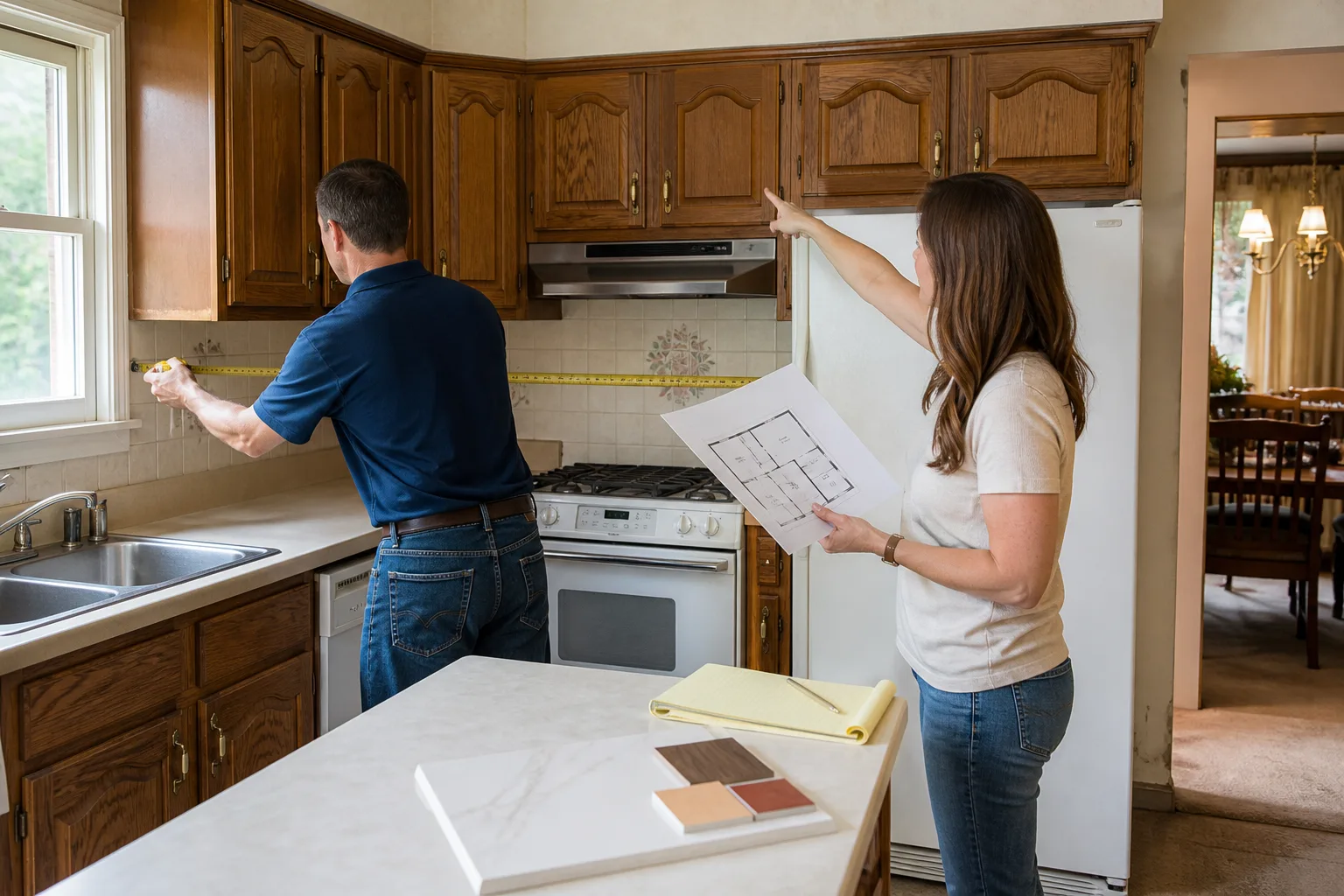
- Written scope of work: a signed document that specifies who does what, where the lines meet, and who is responsible for the permit. Without this, the homeowner and contractor each assume the other covered something – and the gap shows up at final inspection.
- Written warranty on the contractor’s scope: the licensed work should carry a written guarantee. Unpermitted or contractor-warranty-free work is the exact exposure you’re trying to avoid by hiring in the first place.
- Written schedule: a defined start window and a defined sequence, so the homeowner’s demo doesn’t hold up the contractor’s rough-in, and the contractor’s rough-in doesn’t hold up the homeowner’s finish work.
That written scope is the difference between a real partnership and a dispute waiting to happen. If a contractor won’t put their scope in writing before the work starts, that’s the signal to keep looking. Our Bathroom Remodeling in Kendall projects start with that document, because we’ve seen what happens when a split arrangement runs on a handshake.
For a full sense of what the professional scope looks like end to end – and how we structure a written price against a written scope – the Penhallow Remodeling Kendall home page is a good starting point.
Kendall-Specific Considerations: Climate, Code, and Resale
Kendall sits in Miami-Dade County, which means the local code and climate realities that shape a remodel here are not the same as they are in most of the country. Three of them change the DIY math.
Wind-load and impact requirements. Miami-Dade has the strictest wind-load requirements in the country for exterior work. Windows, doors, roofing, and shutters must meet specific impact and pressure ratings, and the county enforces them at inspection. This isn’t a category where a homeowner’s careful installation is likely to pass – the products themselves must be rated and installed to a documented standard. If you’re thinking about exterior upgrades, this is one of the cases where a licensed contractor is the only path to a compliant result.
Humidity and moisture. Kendall’s climate is unforgiving to poor waterproofing. A tile shower installed without proper waterproofing membrane will look fine for a year and then fail from the back side. In our experience working here, we’ve seen more shower failures trace back to missing or improperly installed waterproofing than to anything else. That’s a category where DIY tile work over a professionally installed, waterproofed substrate is safe; DIY waterproofing is where homeowners get into trouble.
Resale reality. Kendall’s housing stock includes a lot of homes from the 1970s through the 2000s, and buyers here are increasingly careful about permit history. A well-renovated home with clean permits sells faster and at a higher price than the same home with a nice-looking renovation and an unpermitted bathroom or addition. The permit record is part of the home’s value.
Common Mistakes to Avoid
- Pulling an owner-builder permit for a quick flip. The one-year no-sale rule under Florida Statute 489.103(7) turns an easy sale into a legal problem. If you plan to sell within a year, an owner-builder permit is the wrong tool.
- Assuming DIY is automatically cheaper. Once you price materials at retail, add permit fees, tools, disposal, and the correction cost of one redo, the DIY savings on a full-room remodel are usually smaller than expected. Run the math before you commit.
- Doing electrical or plumbing work “the same as it was before.” Same-location swaps on an existing circuit or an existing connection are fine. Anything that changes the circuit, the load, or the water route is licensed work – and the “same as before” logic is how unpermitted changes get made.
- Skipping the waterproofing step. In Kendall’s humidity, a shower that looks finished but wasn’t properly waterproofed will fail from the back side within a year or two. That’s one of the most common DIY regret stories we hear.
- Leaving a split scope undocumented. If you’re handling part of a remodel and a contractor is handling the rest, get the split in writing before demo starts. “I thought you were doing that” is expensive at final inspection.
- Choosing a contractor on price alone. The lowest bid is the one most likely to arrive late, change the number after demo, and skip the permit. Ask for a written price and a written guarantee before signing, and if the answer is “we’ll work that out later,” keep looking.
- Ignoring what unpermitted work does to insurance. Most homeowners find out the insurance exposure at the worst possible moment – after a claim. Ask your carrier before you start, not after.
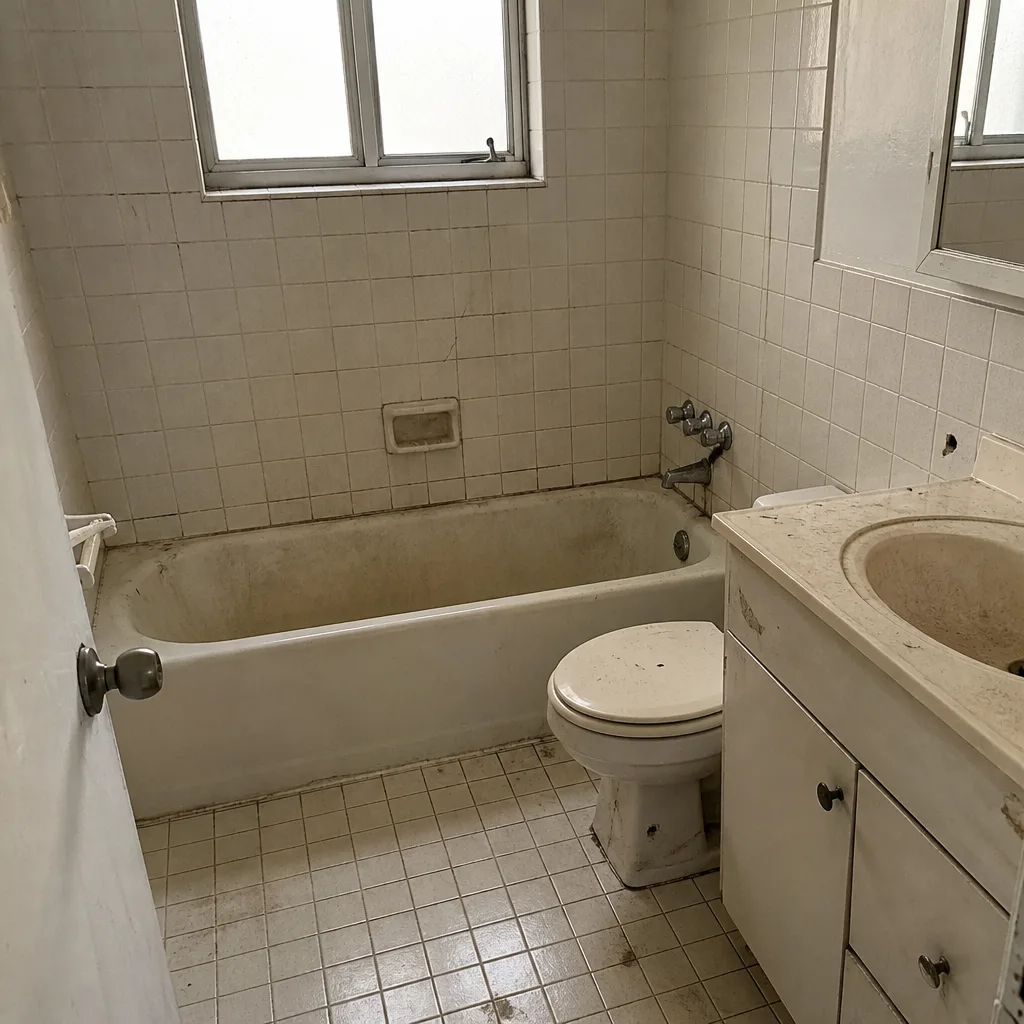
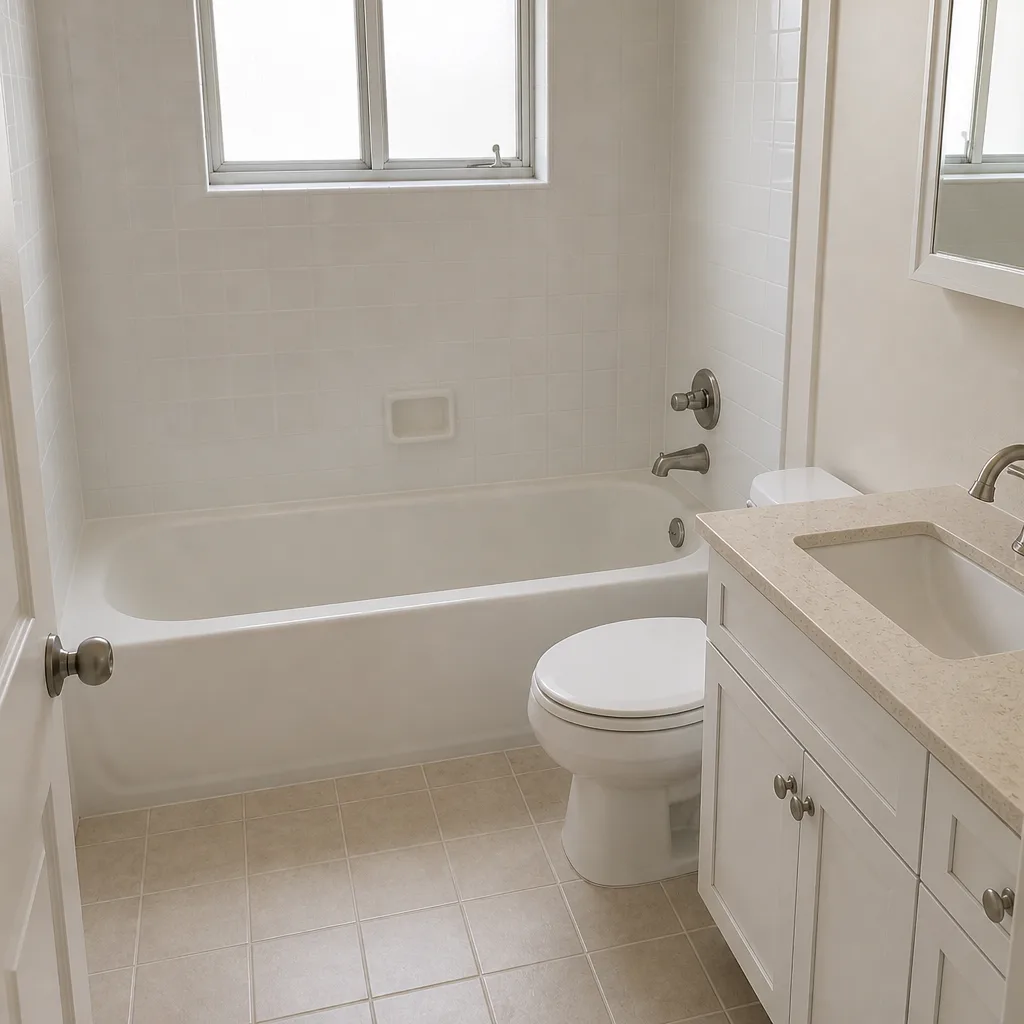
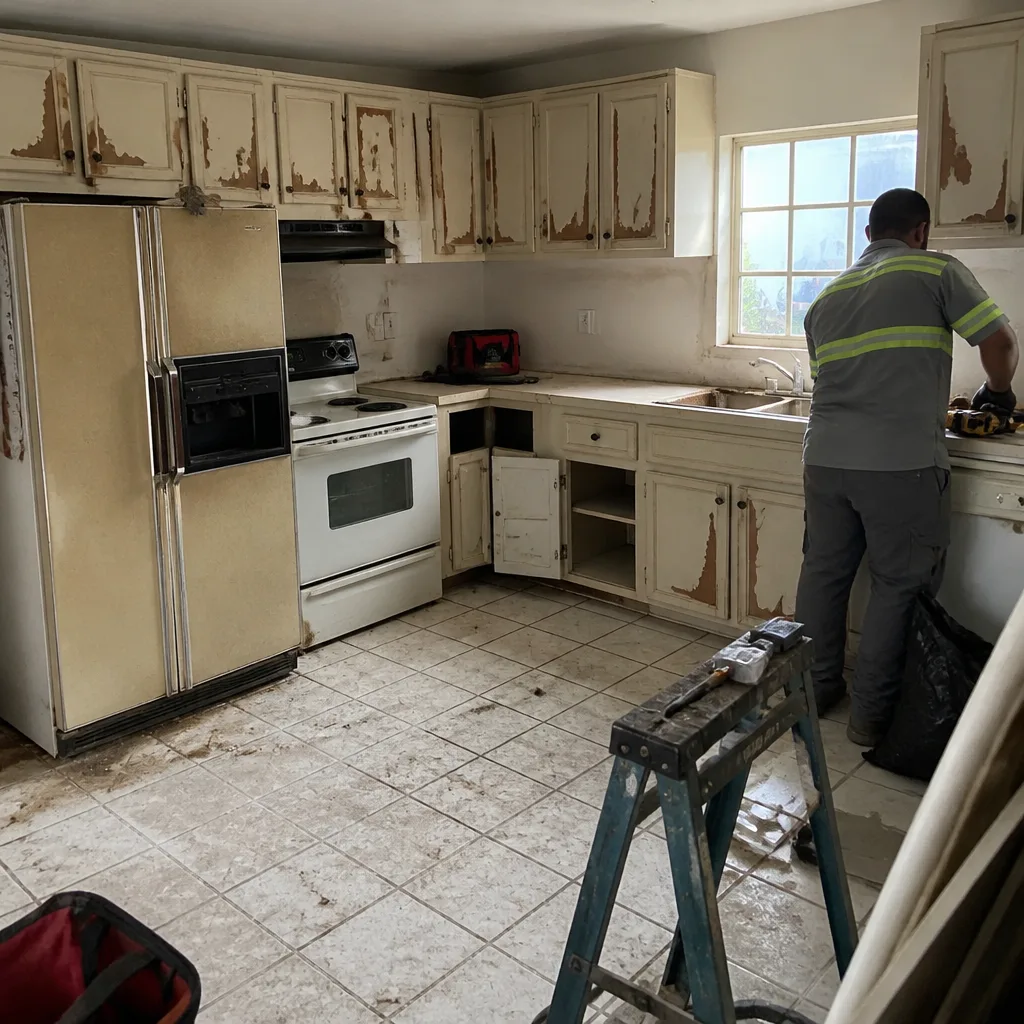
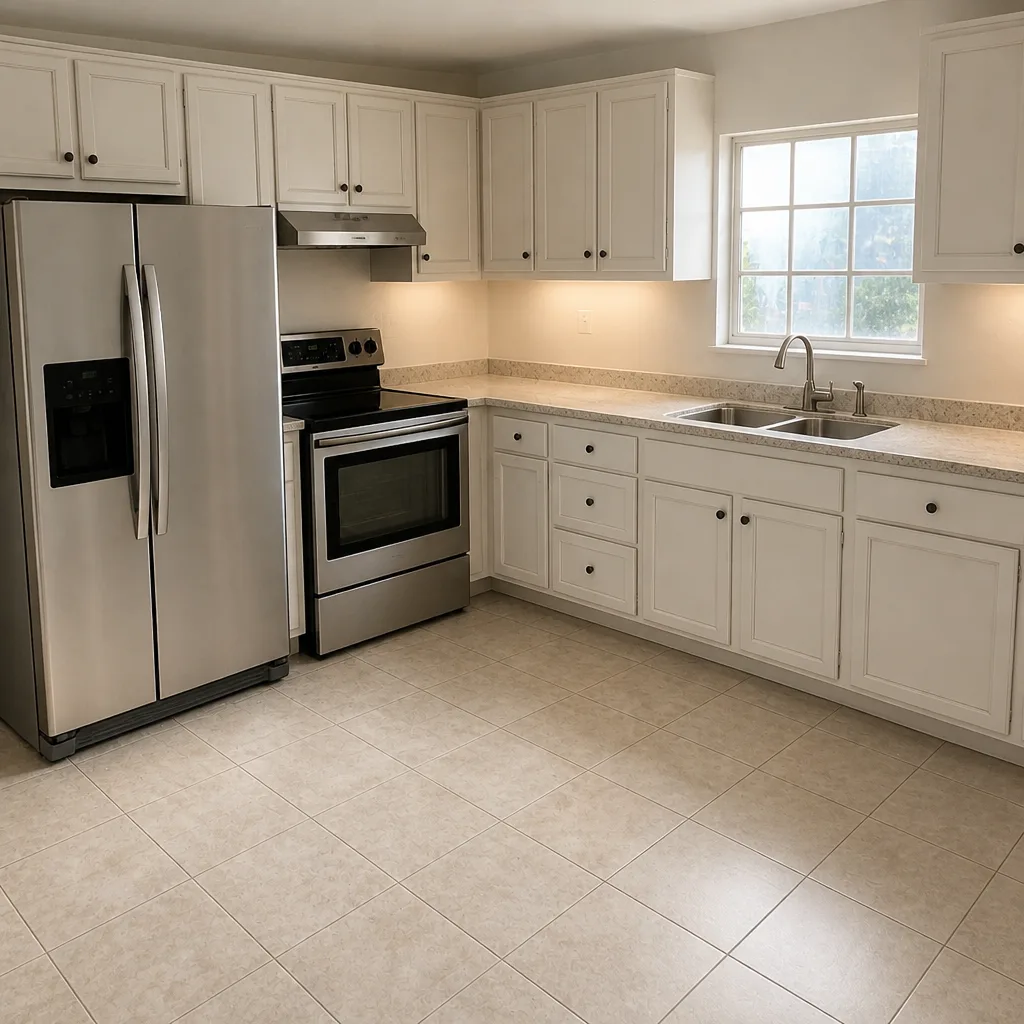
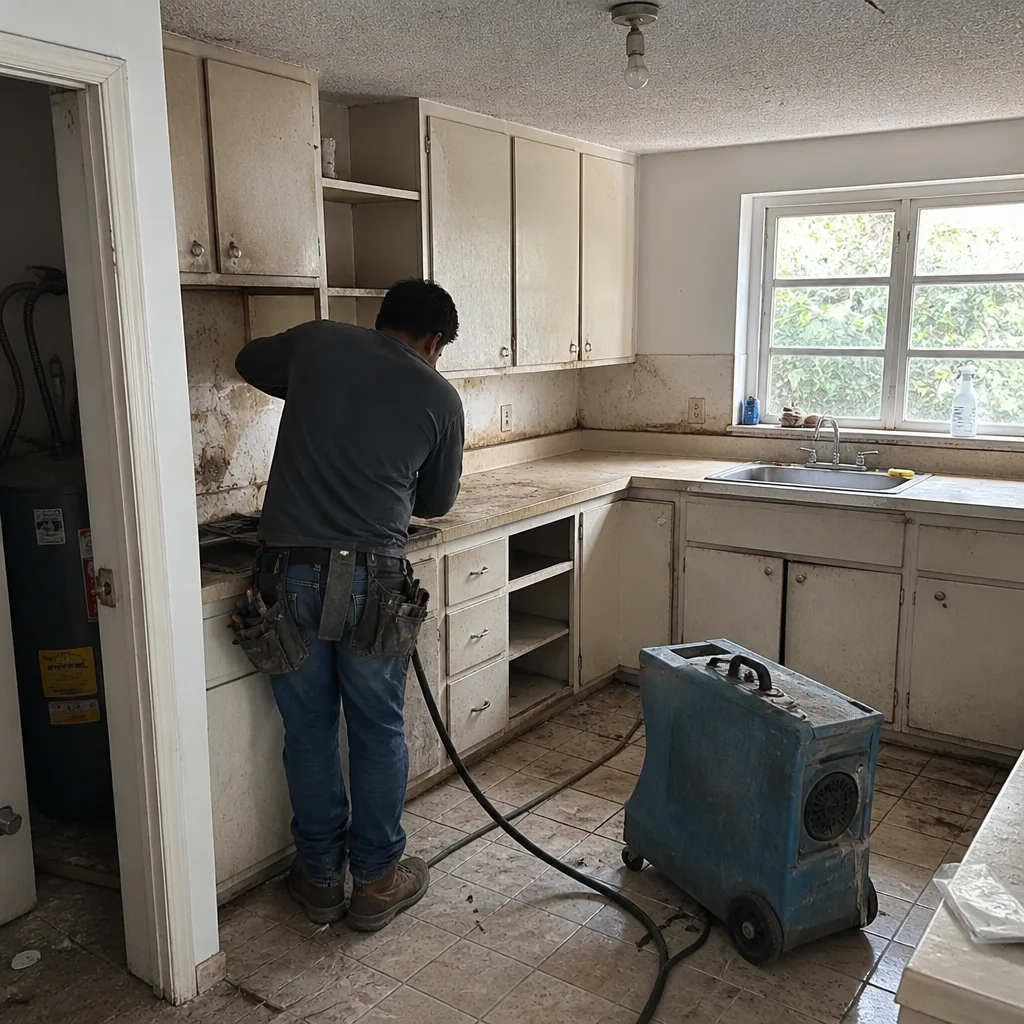
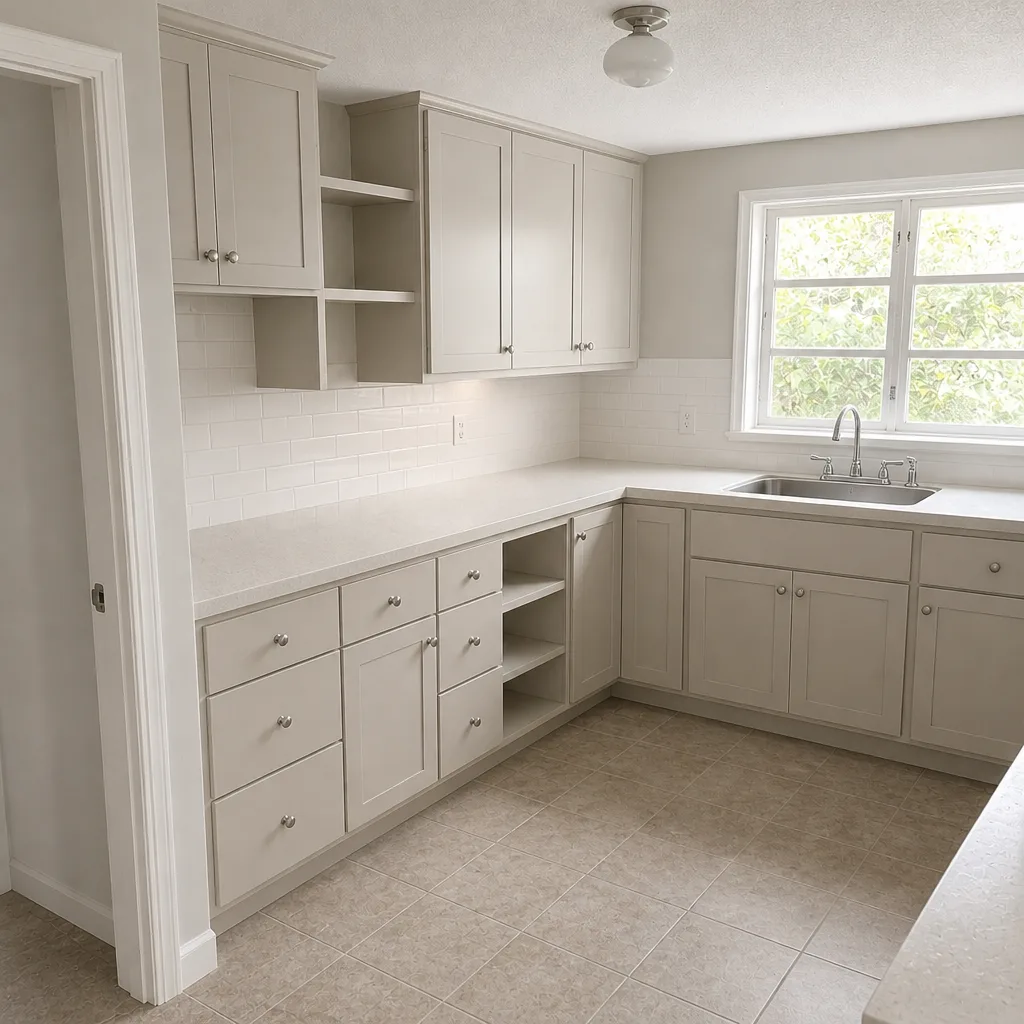
See the difference
 Before
 After
 Before
 After
 Before
 After
When to Call a Professional
Call a licensed contractor when the work involves anything behind the wall, anything structural, anything with a permit attached, or anything where a failure could hurt someone or damage the home’s envelope. Call one when you’re pulling an owner-builder permit for a home you plan to sell inside a year. Call one when the split scopes between you and a tradesperson need a written document, not a handshake. And call one when the DIY savings, run honestly, come out smaller than you expected – which, on a full kitchen or bathroom, they usually do. Penhallow Remodeling Kendall offers free estimates in Kendall – call (844) 560-5417, and a real person answers, any hour. Every project starts with a written price and a written guarantee before a single tool comes out of the truck, and our technicians have up to 22 years of experience. We’re background-checked and uniformed on every job, and we stand behind the work with a 365-Day Done Right Promise.
Frequently Asked Questions
In Florida, you can safely DIY painting, non-load-bearing demolition, tile over a sound substrate, cabinet hanging on existing framing, trim, flooring, and same-location fixture swaps on existing electrical and plumbing connections. You legally cannot DIY new electrical circuits, plumbing line moves, structural changes, roofing, gas line work, or anything that triggers a permit without pulling an owner-builder permit. If the work is behind the wall or needs a permit, hire a licensed contractor. Call (844) 560-5417 if you’re not sure which side your project falls on – the call is free.
Yes. Unpermitted work can void an insurance claim if the loss traces back to the unpermitted work, and some carriers ask about it directly when underwriting or renewing a policy in Kendall. The exposure usually surfaces at the worst moment – after a fire, water loss, or storm claim. Ask your carrier before you start any permit-required work, not after. If your project needs permitted work done correctly, call (844) 560-5417 for a written price up front.
Yes, Florida law allows a homeowner to pull an owner-builder permit on their own primary residence without a contractor’s license. But it comes with real trade-offs: you become the contractor of record, you cannot sell or rent the property for one year under Florida Statute 489.103(7), and your homeowner’s insurance may not cover injuries to subcontractors you hire. Owner-builder permits make sense for experienced homeowners who plan to keep the home for years – not for flips or quick resales. Call (844) 560-5417 to talk through the licensed-contractor alternative before you pull one.
DIY demo on a Kendall bathroom saves roughly what the demo labor would have cost – typically a few hundred to a low four-figure amount – but the professional scope still covers waterproofing, plumbing, electrical, and tile setting. A full bathroom remodel in Kendall, with the demo handled by the homeowner and the permitted scope handled by a licensed contractor, typically lands in the same range as a full-service remodel minus the demo cost. The savings are real but smaller than most homeowners expect once materials at retail, permits, and disposal are added. Call (844) 560-5417 for a written price on the contractor scope – estimates are free.
Painting, trim, finish installation, and same-location fixture swaps are the safest DIY work in a Kendall remodel. Tile setting over a professionally waterproofed substrate is also reasonable for a careful homeowner. The work that fails in Kendall’s humidity – shower waterproofing – is where DIY goes wrong most often, because a failed membrane doesn’t show up for a year. If the waterproofing or the rough-in is on your list, that’s the part to hand off. Call (844) 560-5417 to scope the professional portion of your project.
Get a written scope of work that names exactly who does what, where the homeowner scope ends and the contractor scope begins, who pulls the permit, and what warranty covers the professional work. A written schedule that sequences demo, rough-in, and finish work belongs in the same document. Without it, each side assumes the other covered something, and the gap shows up at final inspection. Every Penhallow Remodeling Kendall project starts with that written scope and a written price – call (844) 560-5417 to schedule a free estimate.
The Bottom Line

The DIY-or-hire decision in Florida isn’t about how handy you are. It’s about permit exposure and insurance liability – two things most DIY guides skip because they’re not written for homeowners who’ll need to close on the house in five years. Safe DIY lives in the cosmetic and finish layer: paint, trim, tile over a sound substrate, same-location fixture swaps, and demo of non-load-bearing surfaces. Licensed work lives behind the wall, in the structure, on the roof, and anywhere a permit is required. Run the real DIY math before you commit, and remember what Kendall’s humidity and Miami-Dade’s wind-load code do to the equation. If you want the professional scope priced in writing – with a written guarantee and materials from brands like KraftMaid, Cambria, Moen, and James Hardie – call Penhallow Remodeling Kendall at (844) 560-5417 for a free estimate.
Written by the team at Penhallow Remodeling Kendall.