
Last updated November 18, 2026








Free written scope consultation - allowances, timeline, and change-order rules on paper before a single trade is scheduled
Seasonal Construction Care for Kendall: Year-Round Homeowner’s Guide
June 1 is the official start of hurricane season, but the work that protects your Kendall home during a storm has to be finished by May. That’s the part most homeowners miss. In our experience, contractors across this stretch of Miami-Dade are booked solid by April, and the homeowner who waits for the first named storm on the forecast to start calling is usually choosing from whoever has an open slot, not whoever does the best work. Kendall doesn’t really have four seasons. It has a wet season and a dry season, and they ask for opposite things. This guide lays out a calendar built on that binary, plus what to inspect after a storm passes and how to reserve a slot months out without getting burned.
Quick Answer
Kendall’s construction calendar splits into two halves: the November – April dry season is the right window for exterior stucco repair, roof work, painting and anything that needs low humidity to cure correctly, and the June – November wet season is when structural readiness and water intrusion prevention matter most. The single most important rule: schedule exterior and storm-readiness work in March and April, because the reliable dry window closes quickly and South Florida contractors fill their spring books early. Interior remodeling can run year-round, but wet-season humidity changes how drywall dries, tile sets and flooring acclimates.
Styles & brands we work with
- Kitchen remodeling
- Bathroom remodeling
- Home additions & ADU
- Roofing
- Windows & doors
- Driveway & pavers
- Fence
Table of Contents
- Why Kendall’s Two-Season Climate Changes Your Maintenance Calendar
- The November – April Dry Season: When Exterior Work Actually Cures
- Hurricane Season Readiness: What Needs a Licensed Contractor
- How the Wet Season Affects Interior Remodeling Timelines
- What to Inspect After a Named Storm, Even Without Visible Damage
- Scheduling Around Kendall’s Seasonal Booking Crunch
- Year-Round Interior Projects and the Rooms Worth Doing
Why Kendall’s Two-Season Climate Changes Your Maintenance Calendar
Most seasonal maintenance advice floating around online was written for a climate with four distinct seasons, and it doesn’t translate here. Kendall sits on the edge of the Everglades to the west and Biscayne Bay to the east, which means the afternoon thunderstorms that build through the summer are reliable and the humidity stays high for months. A four-season checklist tells you to “winterize” and “prep for spring thaw.” Neither applies. What does apply is a hard split between a wet season where water intrusion is the enemy and a dry season where the air is finally low enough in moisture that paint, stucco patch and sealant can cure the way the manufacturer intended.
In our experience, homeowners who treat the calendar this way spend less money overall. They repair stucco in February when it will bond properly instead of in August when it may fail within a year. They get the roof inspected and the soffits tightened before the first tropical system forms, not after. And they understand that the interior work, the kitchens and baths, can proceed year-round but with different humidity management.
The binary isn’t a gimmick. It’s a schedule that tells you what to do in which half of the year. Below we break it down, season by season, with the specific items that belong on each list.
The November – April Dry Season: When Exterior Work Actually Cures
The dry season is the only reliable window for exterior work in Kendall, and it’s not just about avoiding rain days. Humidity is the deeper issue. Paint, stucco patch, caulk and sealant all have a cure window defined by temperature and moisture in the air. South Florida’s summer humidity can stretch a paint cure that should take a day into three, which lowers adhesion and shortens how long the finish lasts. If you’ve ever had exterior paint start to bubble or peel within eighteen months, humidity during application is one likely reason.
Here’s what belongs in this window, roughly in order of priority:
- Stucco inspection and repair. Walk the house after a dry spell and look for hairline cracks, hollow-sounding areas and stains below windows. Small cracks patched in the dry season bond correctly; patched in the wet season they may trap moisture.
- Exterior painting. Plant the schedule for January or February so doors and trim are finished before spring rains return. Two coats applied in low humidity outlast one rushed coat.
- Roof work. Any repair, flashing replacement or full replacement is easier and safer in the dry window. Inspect after every rainy season for lifted shingles, granule loss and ponding evidence.
- Fascia, soffit and trim. Rot found now can be cut out and replaced before it spreads into the framing.
- Fencing and driveway work. If you’re replacing a fence, materials like Barrette aluminum or a Master Halco gate hold up well to salt air and sun, and installing them in the dry season lets the footings cure without rain washing them out.
One note on permits: stucco repair over a certain scope and any structural change usually requires a permit through Miami-Dade County. If a contractor tells you to skip it, that’s a red flag. We pull permits and pass inspections on the work we do, and it’s part of why the dry-season schedule fills up. You can read more about how we handle permitted work on our general contractor page for Kendall.
Hurricane Season Readiness: What Needs a Licensed Contractor
Hurricane readiness has two columns: what a homeowner can safely do, and what needs a licensed contractor. The line matters because some of the jobs on this list involve structural connections and height work, where a mistake gets expensive or dangerous.
What homeowners can do:
- Check impact shutters and panels for cracked or cloudy glazing and confirm every fastener and track is present, not just the panels themselves.
- Clear gutters and downspouts before June 1, and again in August.
- Trim tree limbs that overhang the roof, keeping at least a few feet of clearance so debris doesn’t become a projectile.
- Photograph every room, exterior wall and the roof before the season starts. Insurance claims go easier with dated photos.
- Test the garage door balance and the auto-reverse safety feature, and replace old batteries in smoke and carbon monoxide detectors.
What belongs with a licensed contractor:
- Tightening or replacing loose soffit panels and fascia, especially around the roof edge where wind uplift starts.
- Repairing roof-to-wall connections and inspecting the flashing around skylights, vents and chimneys.
- Replacing windows or doors with impact-rated units, and any work that changes the building envelope.
- Any stucco or siding work at height; the fall risk is real, and the adhesive and fastener pattern matters for wind rating.
- Structural repairs after any storm.
If your soffits are loose or your fascia has soft spots, that’s a contractor job. It’s also the kind of thing that turns a glancing blow into an insurance claim. When storm damage is the issue, emergency services exist for that; for the planned work that prevents the damage in the first place, schedule it early. That’s the whole point of the May cutoff.
How the Wet Season Affects Interior Remodeling Timelines
Interior remodeling can run year-round in Kendall, but the wet season changes the physics of the work. Three areas feel it most: drywall, tile and flooring.
Drywall. Joint compound dries from the outside in, and in high humidity that surface can skin over while the core stays damp. The result is a joint that looks set but sags or cracks later. We run dehumidifiers and box fans during the wet season and give each coat more time before sanding. A drywall job that takes three days in February may legitimately need four or five in August, and the honest contractor builds that into the schedule instead of rushing it.
Tile setting. Thinset and grout cure by chemical reaction, not just drying, but humidity still affects how fast the mortar skins over in the bucket and on the wall. A thin-set that skims too fast won’t bond properly, which is one reason we mix smaller batches and work in tighter areas during the wet season. Cement board substrate (the moisture-resistant layer behind your tile) also needs to be dry before installation, and that takes longer in summer. If you’re planning a bathroom remodel in Kendall, ask how the schedule accounts for wet-season curing; the good answer mentions drying time, not just a faster crew.
Flooring. Wood and engineered flooring has to acclimate to the room it will live in, and the wet season means higher moisture content in the air. A box that acclimates in five days in January might need a full week in September. Skipping that step is how you get buckling six months down the line. If you’re replacing flooring as part of a kitchen remodel in Kendall, the acclimation period should be written into the schedule before cabinets come out.
What to Inspect After a Named Storm, Even Without Visible Damage
Most storm damage that leads to a claim isn’t visible from the street. It shows up weeks later as a ceiling stain, a sticking door or a soft spot in a wall. After a named storm passes through Kendall, whether or not it looks like anything happened, inspect these areas:
- Attic and ceiling corners. Look for darkened drywall and water staining near vents and can lights. If you see active drips, shut off power to that circuit first.
- Window and door frames. Check for moisture at the base of the interior trim. Water often enters around perimeter seals and travels sideways before it shows.
- Roof flashing and ridge lines. From the ground with binoculars, look for lifted shingles, missing ridge caps and displaced flashing around vents and skylights.
- Soffit and fascia. Poke any soft or loose spot with a screwdriver. If the tip sinks in, water got behind it.
- Fence and gate. A gate that suddenly drags or won’t latch means a post has shifted. Aluminum and steel fencing from Ameristar or Master Halco tends to settle and fail at the post, not the panel.
- Foundation and slab edges. Look for new cracks or water-driven soil erosion near the slab.
Two more: photograph everything after a storm, even if nothing looks wrong, and call for a professional inspection if anything seems off. Water that gets in behind stucco or under a roof does quiet structural damage for months before it announces itself. Anyone working at height for the inspection or repair should be a trained professional, not a homeowner on a ladder.
Scheduling Around Kendall’s Seasonal Booking Crunch
The booking crunch is real, and it’s predictable. Homeowners call for exterior work in January, February and March, so contractors’ dry-season calendars fill by early spring. The same applies for the interior jobs that get scheduled in advance. If you want the exterior work done before June 1, you need to be on someone’s calendar by February or March. If you’re calling in May or June for stucco, roof or paint, you’re likely looking at fall or the next dry season.
What to get in writing when you reserve a slot months out:
- A written price, not a range. Not a verbal ballpark. A number you can hold the contractor to, before any work starts.
- A defined arrival window, not “we’ll be out Tuesday.” A two- or three-hour window is reasonable; “sometime in the morning” is not.
- A cancellation and rescheduling policy in the written document. Weather delays happen; you want to know how they’re handled.
- The scope, line by line, including what’s excluded. If a price looks low, it usually means something isn’t in it.
- What the written guarantee covers and how long it lasts. Ours runs 365 days from project completion, and we’ll come back and make it right at no charge if something fails inside that window.
We answer the phone 24/7 with a live person, and we give a written price before any work starts, whether you’re booking in February or November. That’s the standard, and it’s the reason our booking calendar fills the way it does. You can get a free estimate by calling (844) 560-5417.
Year-Round Interior Projects and the Rooms Worth Doing
Interior remodeling is the one category that runs on its own schedule, and weather only matters at the edges (drying times, acclimation, humidity control). That’s why so many Kendall homeowners tuck interior projects into the wet season, when the contractor’s exterior calendar is less crowded. The kitchen and bath are the two rooms with the best return on that timing.
A kitchen remodel typically runs $18,000 – $55,000 depending on layout, cabinet line and countertop material, and the big drivers are cabinet grade (KraftMaid and Wellborn both hold up well to South Florida humidity), countertop material (quartz like Cambria, Silestone or Caesarstone carries its own warranty layer alongside ours), and whether plumbing and electrical move. A bathroom runs less but varies widely with tile and fixture choices (Kohler and Moen are the brands we install most).
The right time to start planning either is 8 to 12 weeks before you want to break ground, so the design, selections and permits are done before the crew shows up. Permits through Miami-Dade County are part of the scope on most of this work, and we pull them and pass the inspections as a standard part of the job. If you’re mapping out the year, the bathroom is the best wet-season project because the work stays inside and the drywall and tile schedules can flex with the humidity. You can see how we approach a whole-home scope on our Penhallow Remodeling Kendall home page.
Common Mistakes to Avoid
- Waiting for the forecast to motivate you. By the time a named storm is on the outlook, in our experience the reliable contractors in Kendall are gone. The work that protects the house has to be finished before May.
- Painting or stucco-patching in the wet season. It looks fine for months, then peels or blisters because the humidity kept the material from curing correctly. Save exterior finishes for the dry window.
- Assuming no visible damage means no damage. Ceiling stains and soft soffits show up weeks or months after a storm. Inspect and photograph after every named system.
- Accepting a verbal quote. A range that changes at demo day is the oldest trick in the local market. Insist on a written price, line by line, before work starts.
- Skipping the permit to save time. Unpermitted structural or envelope work can complicate insurance and resale down the line, and it can put you on the wrong side of a Miami-Dade inspection.
- Rushing drywall or flooring in summer humidity. Shortening the cure or acclimation period to hit a schedule is how you get cracks, buckling and callbacks.
- Booking an exterior slot for the dry season without confirming a real arrival window. “We’ll be out Tuesday” is not a window. Get the hours in writing.
See the difference
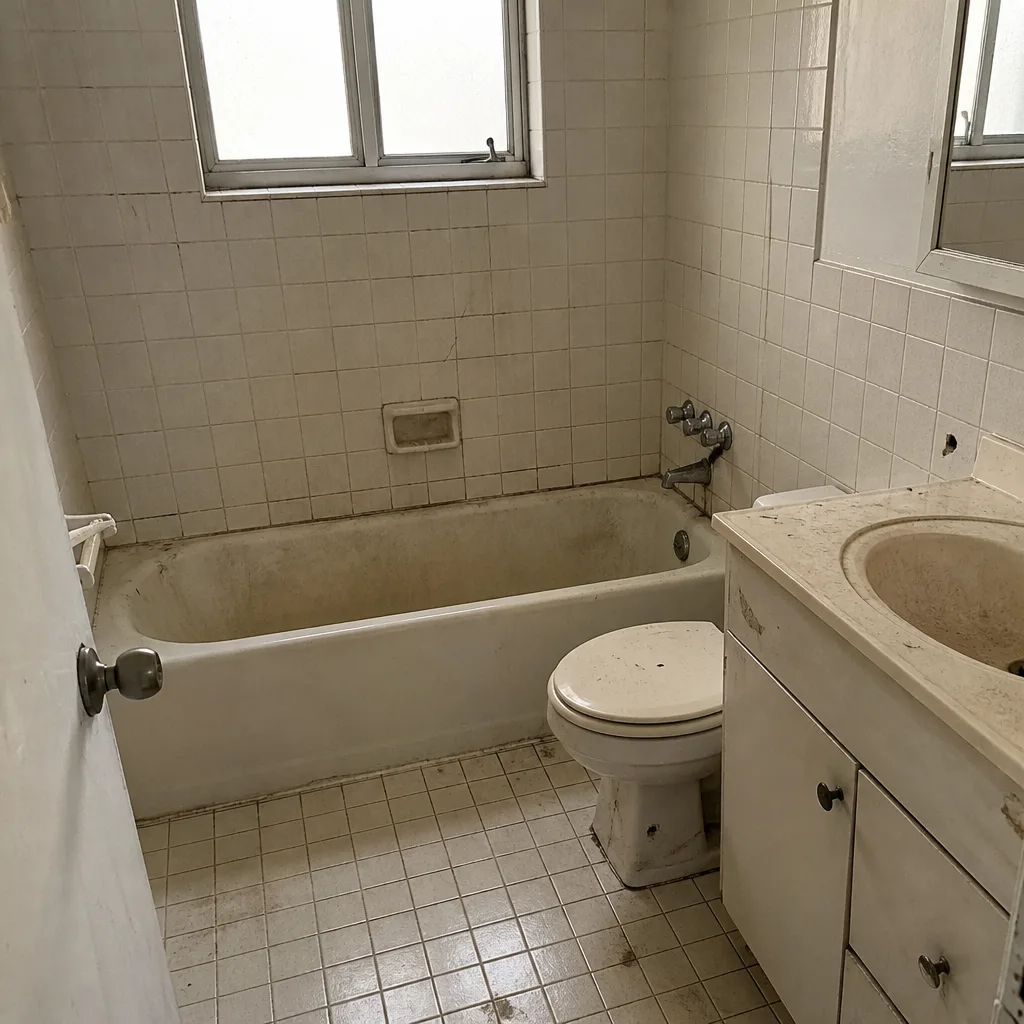 Before
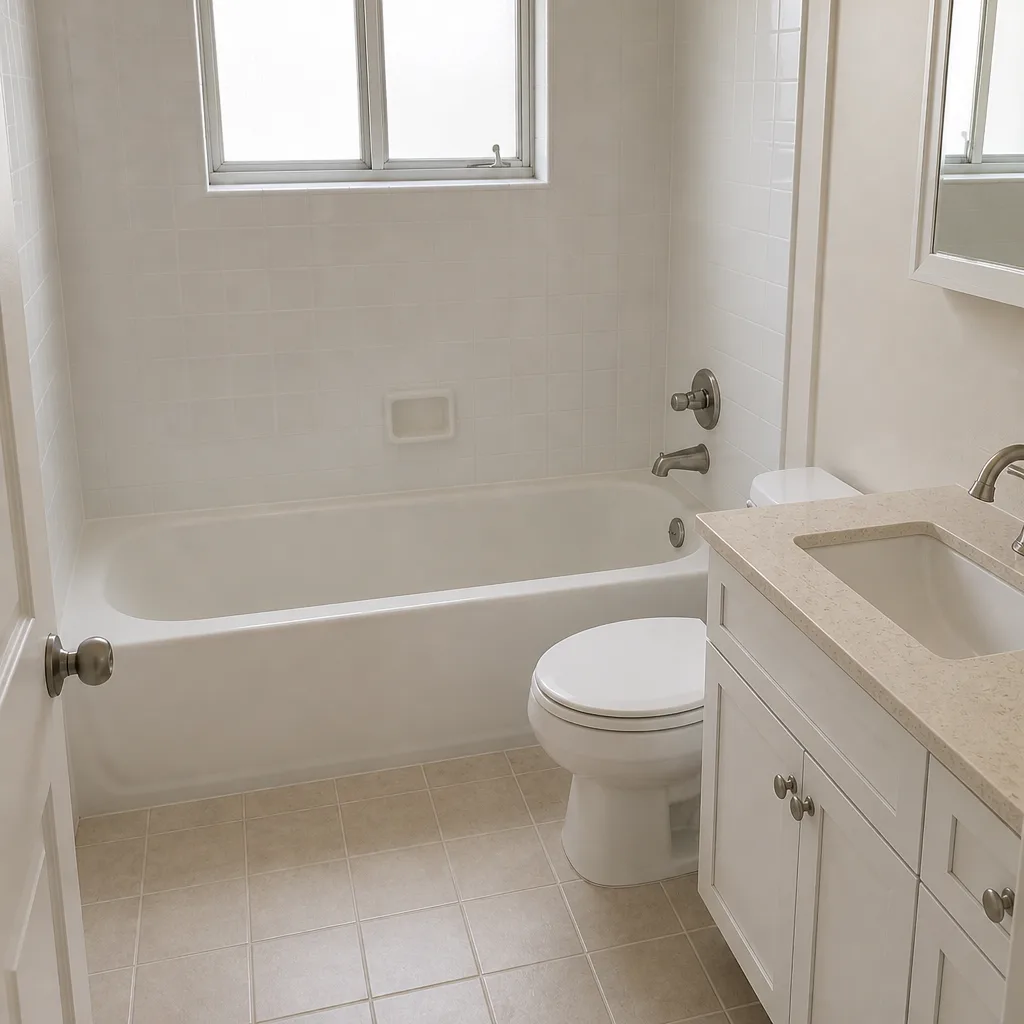 After
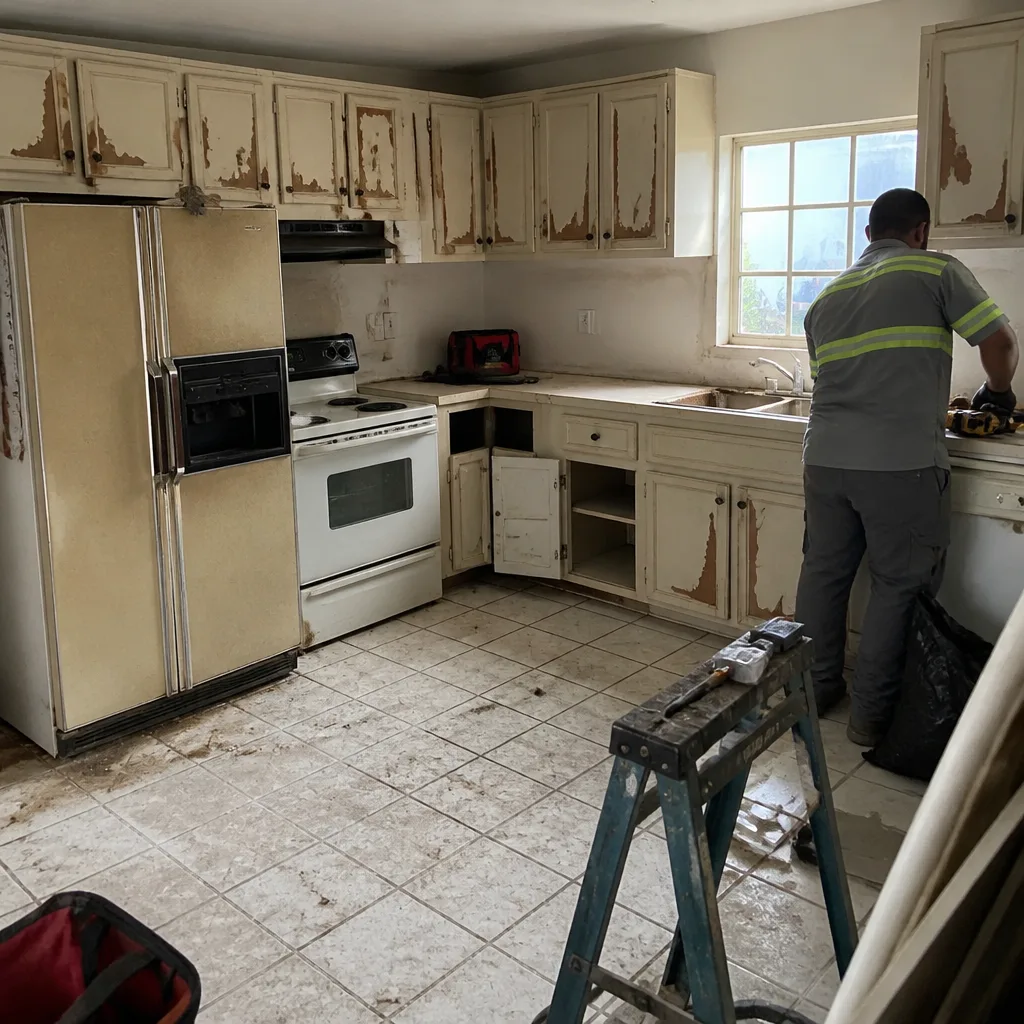 Before
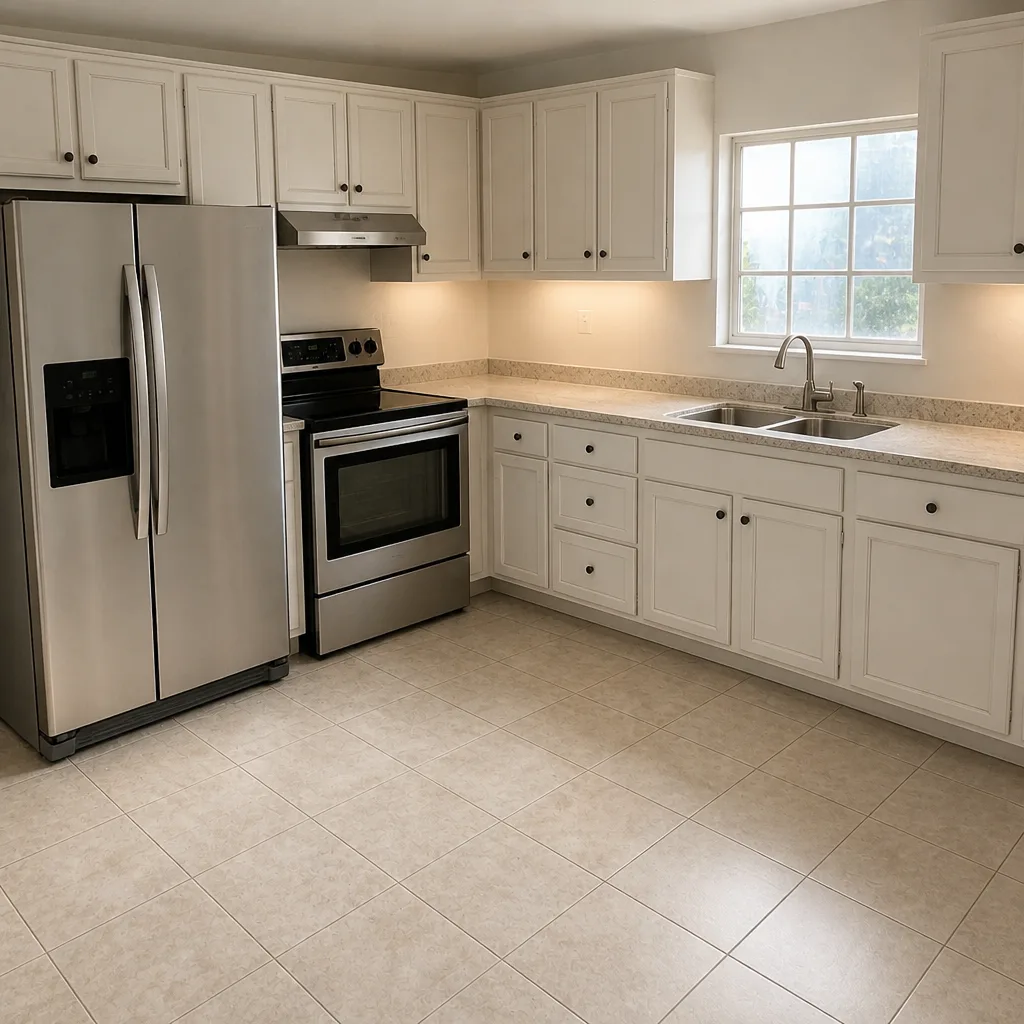 After
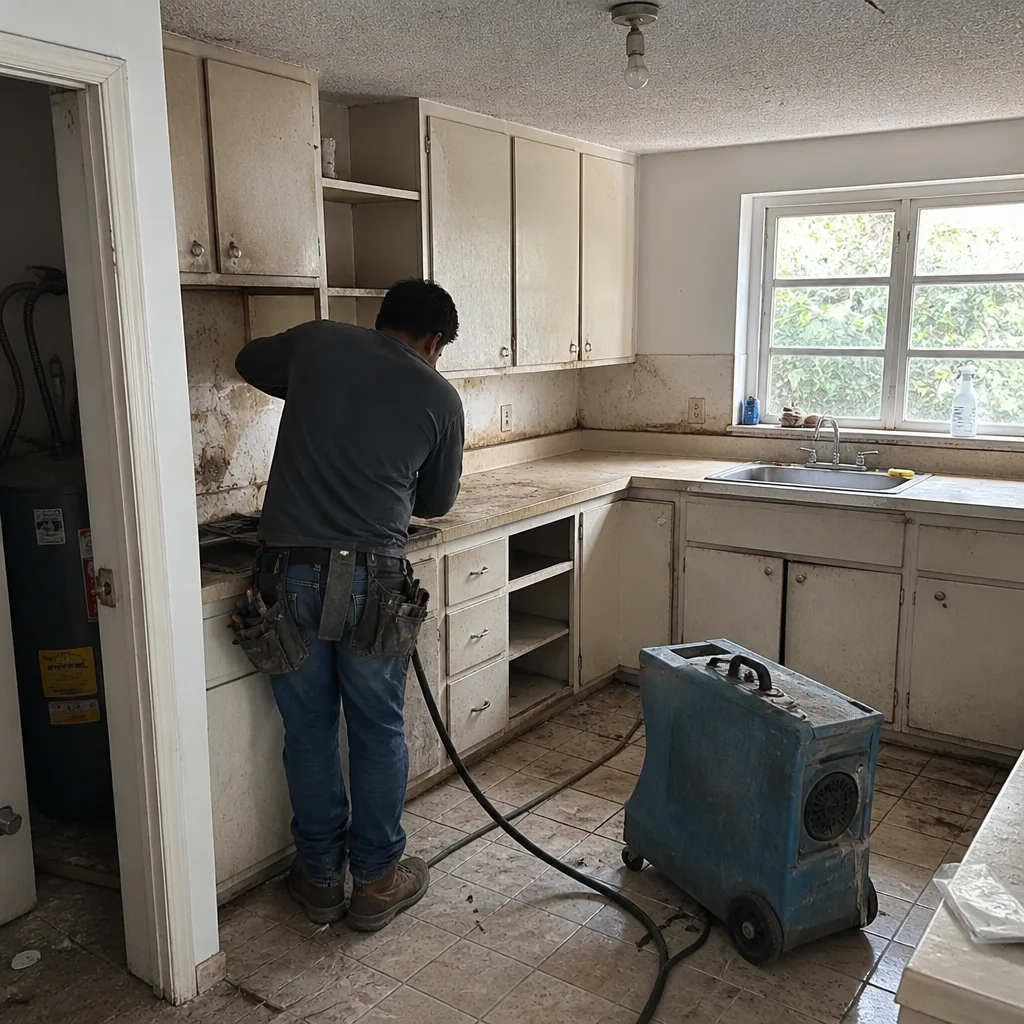 Before
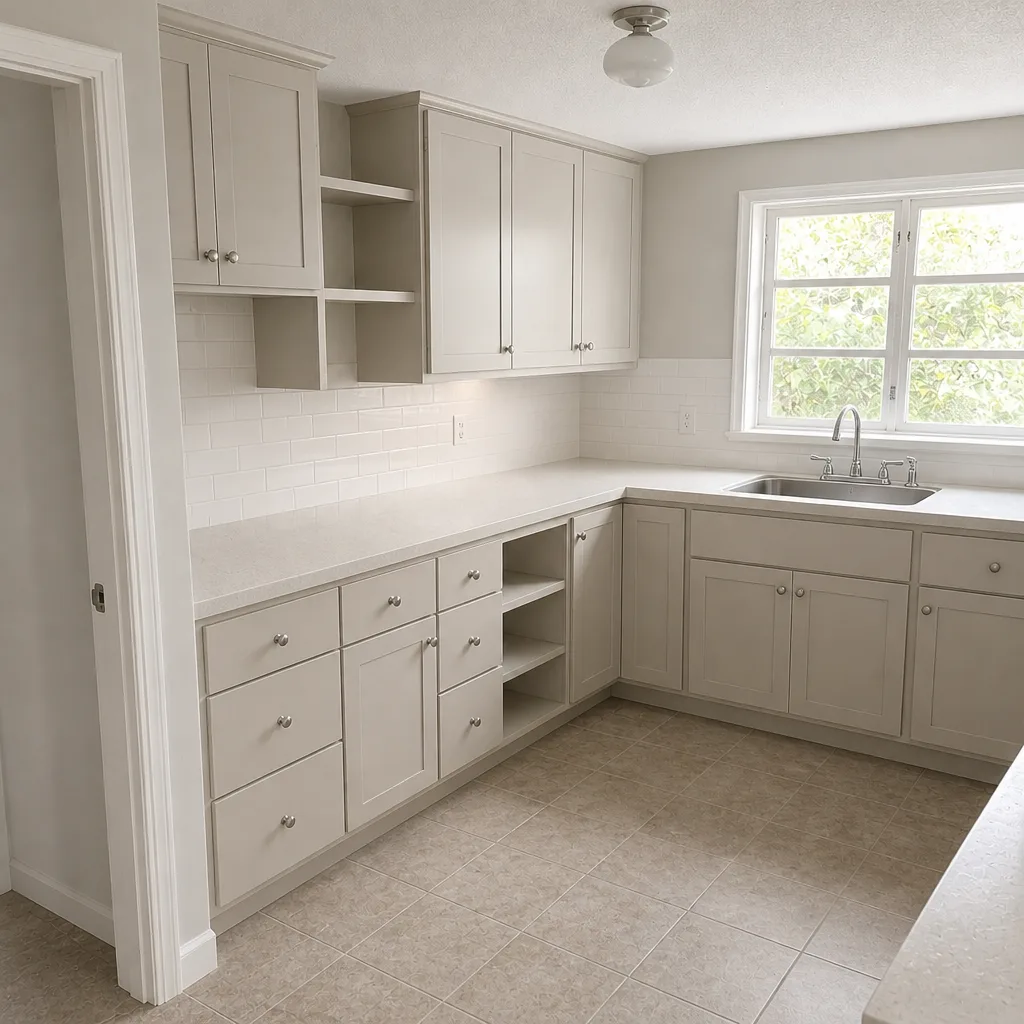 After
When to Call a Professional
Call a professional when the job involves height work, the building envelope, structural connections, or anything that needs a permit. Loose soffits, roof flashing, stucco at height, impact window and door installs, and post-storm structural inspection all belong with a licensed contractor. The same goes for any interior project where plumbing or electrical moves, or where permits and inspections are part of the scope. A few tasks on this calendar are genuine homeowner jobs: gutter cleaning, shutter checks, trimming overhanging limbs, and photographing everything before the season starts. Keep those, and hand the rest off. If you’re unsure which column a job falls into, that’s a good reason to call. Penhallow Remodeling Kendall offers free estimates in Kendall, and someone answers the phone 24/7. Call (844) 560-5417 to schedule your free estimate.
Frequently Asked Questions

The November – April dry season is the best window for exterior work in Kendall because humidity is low enough for paint, stucco patch and sealant to cure correctly. Schedule it in January or February, and you’ll have the work finished before spring rains return. Book it by early March, since contractor calendars for the dry season fill up by then.
Preventive work varies with scope: soffit and fascia repairs typically run a few hundred to several thousand dollars depending on linear footage, roof inspections run a flat fee, and stucco repair around windows and doors is priced per area. The best way to get a real number is a written line-item quote. Call (844) 560-5417 to schedule a free estimate; estimates are free.
Some of it you can do yourself: clear gutters, check shutter fasteners, trim overhanging limbs, and photograph the house. The work that belongs with a licensed contractor is anything at height, anything touching the building envelope, and any structural connection, because a mistake there is dangerous and costly. If a job involves a ladder above the first floor or a permit, call a professional.
It can, yes. Drywall compound dries more slowly in high humidity, and flooring needs a longer acclimation period in summer than in winter. A contractor who plans for that will build an extra day or two into the schedule and use dehumidifiers; a contractor who rushes the cure is the one to worry about. Ask how the schedule accounts for it before you sign.
Yes. Permits through Miami-Dade County are pulled and inspections are passed on the work we do, and the permit is part of the written scope, not an add-on. If a contractor tells you a permit isn’t needed for envelope or structural work, get a second opinion before agreeing to anything.
Get three things in writing: a written price (not a range), a defined arrival window (not “we’ll be out Tuesday”), and the guarantee terms, including what happens if something fails. Ours runs 365 days from completion, with a free return visit if a repair fails. Call (844) 560-5417 to lock in a slot for the next dry season.
The Bottom Line
Kendall doesn’t have four seasons. It has a dry season and a wet season, and each one asks for different work. The dry months (November through April) are for stucco, paint, roof and fence work, and they have to be booked by early spring because the good contractors fill up. The wet months are for interior projects, with extra time allowed for drying and acclimation. Before June 1, get the soffits, roof and gutters inspected and sorted, and after any named storm, walk the house and photograph everything, even if it looks fine. A written price and a written guarantee up front, in any season, is the difference between a clean job and a bad one.
If your calendar is pointing toward a bathroom, kitchen or whole-home project this year, we’re happy to put the next step in writing. Call (844) 560-5417 to schedule your free estimate, and a real person will answer, day or night.
Written by the team at Penhallow Remodeling Kendall.