
Last updated November 18, 2026








Free written scope consultation - allowances, timeline, and change-order rules on paper before a single trade is scheduled
Home Remodeling Maintenance Schedule: What to Do and When
Miami-Dade averages over 60 inches of rain a year, nearly double the national average, and Kendall sits square in that soaking zone. Most maintenance guides you’ll find were written for a house in Ohio: caulk in the fall, clear the gutters before winter, done. That calendar falls apart in South Florida, where the real stressors are a five-month hurricane season, humidity that stays above 70 percent for weeks, and salt air that chews through metal hardware on its own schedule. This guide lays out a maintenance plan built for a Kendall home, month by month, including the post-remodel checkpoints that keep your guarantee and your homeowner’s insurance working the way they should.
Quick Answer
In Kendall, home maintenance follows a wet-and-dry calendar, not the national four-season one. The big items are pre-hurricane-season prep in May, drainage and roof checks before the June rains, humidity and mold control through September, and a full post-remodel inspection at 30, 90, and 365 days. Skipping the regional timing is what turns a $60 caulk job into a $4,000 knee-wall rebuild.
Styles & brands we work with
- Kitchen remodeling
- Bathroom remodeling
- Home additions & ADU
- Roofing
- Windows & doors
- Driveway & pavers
- Fence
Table of Contents
- Why the South Florida Calendar Beats a Generic Checklist
- The Month-by-Month Schedule for Kendall Homes
- 30, 90, and 365 Days After a Remodel: What to Inspect
- Grout, Caulk, and Waterproofing: Re-Inspection Windows in High Humidity
- Which Skips Void a Warranty and Which Are Just Best Practice
- How to Document Maintenance for Your Guarantee and Your Insurance
- Kitchen and Bath Specifics for Kendall Homes
- Hurricane Season Prep: The May List
Why the South Florida Calendar Beats a Generic Checklist
A house in Columbus spends winter fighting freeze-thaw. A house in Kendall spends summer fighting water that never really leaves. Those are different enemies, and they hit different parts of the building.
In our experience working on Kendall homes, the damage pattern is consistent. From June through November, driving rain finds every failed bead of caulk, every hairline grout crack, and every soft spot in a window sill. The air stays so heavy that a bathroom without working exhaust grows mold behind the tile in a single season. Salt air from the coast moves inland on the sea breeze and pits cheap hinges, faucets, and exterior fasteners.
The national guides also miss the insurance angle. Florida homeowners’ policies and post-hurricane inspection standards care about water intrusion, roof condition, and documented upkeep. A maintenance log that shows you checked your roof tie-downs in May is worth more than a tidy garage.
So the schedule below is split by what actually happens in Kendall across the year: the dry, easy months from December to April, the ramp-up in May, the wet slog from June to November, and the first cold front that finally dries the air out. If you’ve recently finished a renovation with our Kitchen Remodeling in Kendall team or a Bathroom Remodeling in Kendall crew, the calendar starts on your completion date, not January 1.
The Month-by-Month Schedule for Kendall Homes
Here’s how the year breaks down for a Kendall house. Adjust the dates to your completion anniversary if you’ve remodeled recently.
- January – February: Dry season. Inspect the roof and attic for leaks that showed up during the fall rains. Check caulk around windows and doors, and reseal exterior penetrations while the surfaces are dry enough to hold a bead.
- March – April: Test the air conditioning and have it serviced before the first heat wave. Clean dryer vents and range hoods. Flush the water heater. Check the dishwasher and washing machine supply lines for cracking.
- May: Hurricane prep. Trim trees back from the roofline, check shutters and impact panels, clear gutters and downspouts, and photograph the exterior for insurance records.
- June – July: Wet season starts. Inspect the attic and ceilings after the first heavy storms. Check door and window seals. Look at the base of exterior walls for water staining.
- August – September: Peak humidity. Run bathroom exhaust fans longer, check for mold on grout lines and window frames, and empty the drip pan under the air handler.
- October – November: Post-season inspection. Check the roof and gutters after the last big storms, test smoke and carbon monoxide detectors, and confirm the hurricane shutters still seal.
- December: The dry, cool month. Reseal grout and caulk in kitchens and baths, review your maintenance log, and schedule any repair before the next June.
If you’re starting fresh after a remodel, put the whole schedule on a shared family calendar. In our experience, the jobs that fail are the ones nobody wrote down.
30, 90, and 365 Days After a Remodel: What to Inspect
A remodeled room behaves differently in its first year than in its tenth. Materials settle, caulk cures and shrinks, and the building has to prove it can handle a full South Florida wet season. These are the checkpoints we walk every Kendall client through.
At 30 days
- Look at every caulk line in the bathroom and kitchen. Hairline cracks at the seams are normal as the caulk cures. Larger gaps mean something is moving.
- Check grout for pinholes or dark spots, especially at shower corners and floor transitions.
- Confirm all cabinet doors and drawers open without rubbing, and that the hardware is tight.
- Look under the sink for moisture, and check that the p-trap and supply lines are dry.
- Run the exhaust fan and confirm it clears steam within a couple of minutes.
At 90 days
- Re-inspect all shower and tub surrounds for soft grout, discoloration, or movement.
- Check that the waterproofing membrane around the shower isn’t showing through anywhere it shouldn’t.
- Look at the floor at the edges of the room for gaps or lifting, especially near exterior walls where humidity swings hardest.
- Inspect the outside of any new exterior penetrations, including vent hoods and dryer vents, for water staining after rain.
At 365 days
- Reseal grout and caulk in every wet room, then re-inspect the shower pan.
- Check for signs of water behind the tile: soft thuds when you tap the wall, dark lines at the grout, or a musty smell.
- Review the whole project against your written price and punch list. Anything not right should be on the record before the year is out.
- Photograph everything for your file, alongside your written guarantee.
This is exactly where our 365-Day Done Right Promise shows up in practice. If the work fails within the year, we come back and fix it at no charge, and that’s in writing before the job starts. Call (844) 560-5417 if you’re scheduling a replacement project and want to know what the inspection year looks like.
Grout, Caulk, and Waterproofing: Re-Inspection Windows in High Humidity
South Florida humidity doesn’t just make the air sticky. It changes how fast sealants fail. Three materials need specific attention and a specific re-inspection window.
- Caulk: Check every 3 months in high-use bathrooms, and replace every 12 to 18 months. In a Kendall bathroom with a shower used daily, cheap caulk will fail well before the year is up. Silicone lasts longer than latex in wet areas.
- Grout: Inspect at 90 days, then twice a year. Grout sealing is the cheap insurance; a full re-grout every 5 to 8 years is normal for a high-humidity shower in this climate. If you’ve chosen tile in a kitchen or bath with Cambria quartz counters and Moen fixtures, protect the weak point first: the grout, not the stone or the metal.
- Waterproofing membrane: Check once at the 30-day mark, again just before and after the first wet season, and again at one year. If the corner bench or the shower niche is the first thing to show water, that’s the membrane failing, not the grout. That’s a call to a pro, not a tube of caulk.
The same logic applies outside the house. Decorative pavers and hardscaping from Belgard and Unilock hold up well in Kendall, but the joint sand washes out in heavy rain. Check the joints every three months, especially after a storm, and top off the sand.
Which Skips Void a Warranty and Which Are Just Best Practice
Not every maintenance task carries the same weight. Some you can put off for a season. A few can cost you the warranty. Here’s the split, based on how a remodeling guarantee actually works.
Things that can void a warranty if skipped:
- Waterproofing failures left unaddressed. If a shower is leaking and you ignore it, a subsequent repair is generally not covered, because the damage caused by the leak is beyond the scope of the original install.
- Unauthorized modifications. Drilling into the shower membrane, cutting into a wall with plumbing, or re-tiling a surface yourself can take the failed area outside the guarantee.
- Failing to report a problem within the guarantee window. This is the big one. The 365-Day Done Right Promise is only as good as your call: if something is failing, tell us during the year, not two years later.
- Ignoring written maintenance instructions, where a specific material has them. Stone counters, natural wood floors, and certain sealants have care instructions that carry no guarantee if you use the wrong cleaner or leave a leak sitting.
Things that are best practice but don’t void the warranty:
- Re-caulking the seams of a counter or a shower.
- Resealing stone counters on schedule.
- Replacing a worn shower door sweep.
- Cleaning the exhaust fan grille.
- Replacing a showerhead or faucet cartridge with an approved part.
The cleanest way to keep both categories straight is a written guarantee that spells out what’s covered and what isn’t. That’s the gap The Kingswell Way was built to close: say the price before the work, show up in the window we gave, leave the place cleaner than we found it, and put the guarantee in writing.
How to Document Maintenance for Your Guarantee and Your Insurance
Two audiences need your maintenance records: the contractor who stands behind the work, and the insurance adjuster who handles a future claim. The good news is the same file works for both. Here’s a simple system.
- Keep a dated log. A notes app or a simple spreadsheet. Note the date, what you checked, and what you found. If you re-caulked the master shower on April 12, write it down.
- Photograph before and after. Every reseal, every repair, every inspection of the roof or attic. Photos are what turn “I maintain the house” into a record.
- Keep the written price and the written guarantee in one folder. No verbal promises. The number on day one should match the number on the invoice, and the guarantee should be a document you can hold. That’s how we do it on every project, and it’s what protects both sides.
- Email a summary to yourself once a year. A simple email with the year’s photos and log is easier to find than a buried spreadsheet when an adjuster asks for it.
- Report failures in writing within the guarantee window. A call is fine, but follow it up with an email so there’s a record.
If you’re filing an insurance claim after storm damage, the same file that shows you prepped in May also shows you maintained the property. Adjusters like that. So do contractors.
Kitchen and Bath Specifics for Kendall Homes
Kitchens and baths take the hardest hit from South Florida’s climate, because they’re the two rooms where water, heat, and daily use meet. A few specifics we’ve learned from working on Kendall homes.
- Run the exhaust fan for a full ten minutes after every shower and every cooking session, not just while you’re in the room. That last ten minutes is what clears the humidity that would otherwise settle into the walls.
- Check the supply lines under the sink quarterly. Braided lines from Moen and Kohler hold up well, but they still age in the warmth and humidity. Replace them every five years, and sooner if you see any cracking.
- Watch for soft grout in the shower pan. A shower pan that fails in a Kendall home usually does it in the first two years. If the grout in the floor of the shower is soft or dark, call it in.
- In the kitchen, check the caulk at the backsplash-to-counter seam twice a year. A failed bead there lets water behind the backsplash, and that’s a bigger repair than re-caulking.
- Look at the cabinet interior and under-sink area for moisture after the first wet season, and again at the one-year mark.
If you’re planning to redo a kitchen or bath in Kendall, our General Contractor in Kendall team can walk you through what the maintenance schedule looks like for a specific material selection, and our Penhallow Remodeling Kendall home page has the broader picture of how we work. If there’s a deck or patio involved, brand-name pavers from Tremron or ActiveYards are a sound choice, but they need joint sand and drainage checks every three months in this climate.
Hurricane Season Prep: The May List
This one belongs to South Florida, not Ohio. The list below is what we recommend every Kendall homeowner run through in May, before the first named storm line shows up on the map.
- Roof and attic. Look for missing or lifted shingles and check the attic for water staining or daylight. Photograph it all.
- Gutters and downspouts. Clear them, then test them with a hose so you know where the water actually goes.
- Shutters and impact panels. Check every panel and its fasteners, confirm they fit, and label them by window while you still have time.
- Exterior doors and windows. Confirm the caulk is intact and the weatherstripping seals. A leak starts at the seal, not the wall.
- Trees and landscaping. Trim limbs that overhang the roof, and check fence posts and hardscaping for lifting or gaps.
- Bathroom and kitchen exhaust. Confirm the fans are clearing steam. A slow fan means humidity trapped in the room for the whole season.
- Records. Update the log, confirm the guarantee is on file, and make sure your insurance photos are current.
Do this once in May and you’ll spend the season with a clear conscience. In our experience, the storm-damaged homes we see most often in Kendall are the ones where a minor seal failure had months to get worse. Prepping early is what keeps a cosmetic repair from becoming a remodel.
Common Mistakes to Avoid
- Following a national maintenance calendar. Fall gutter-clearing and winterizing are the wrong season entirely in Kendall. Use the wet-and-dry split above.
- Letting a shower leak “settle in.” A few days of drip can turn into a damaged knee wall or subfloor. Report water leaks immediately, even if they seem small.
- Assuming the cheap caulk will last in a South Florida bathroom. It usually won’t. Use a silicone caulk in wet areas and check it every few months.
- Skipping the 30 and 90-day post-remodel inspections. This is the window where a guarantee actually works. Get the problems on the record when they’re small.
- Resealing on the wrong schedule. Pushing a stone counter for years between sealings and then sealing it twice in a row is worse than a steady annual schedule. Check the manufacturer’s instructions.
- Letting the joints in pavers wash out after storms. Belgard and Unilock pavers are tough, but a missing joint sand layer after a heavy rain can shift the whole surface.
- Keeping records separate from the written guarantee. If the guarantee isn’t in the same folder as the maintenance log and the photos, the paperwork does nothing at claim time.
See the difference
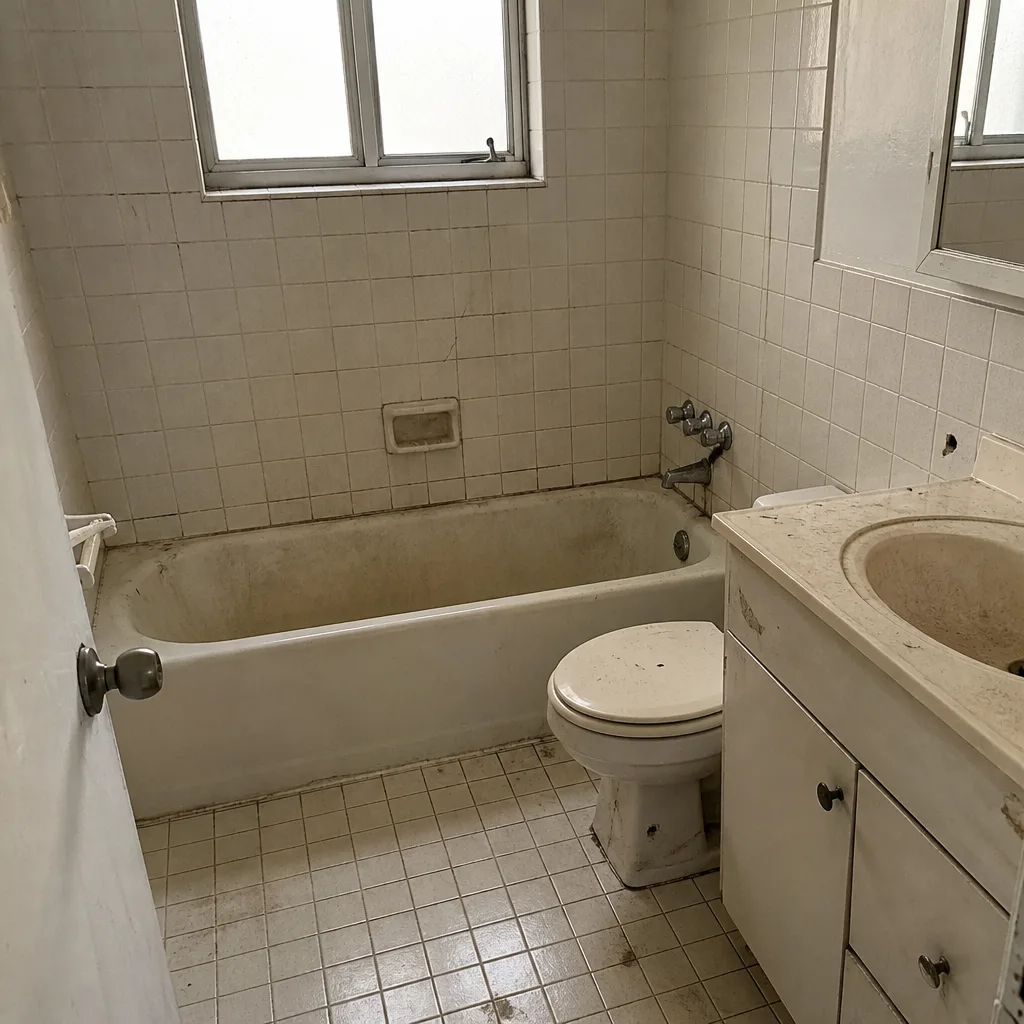 Before
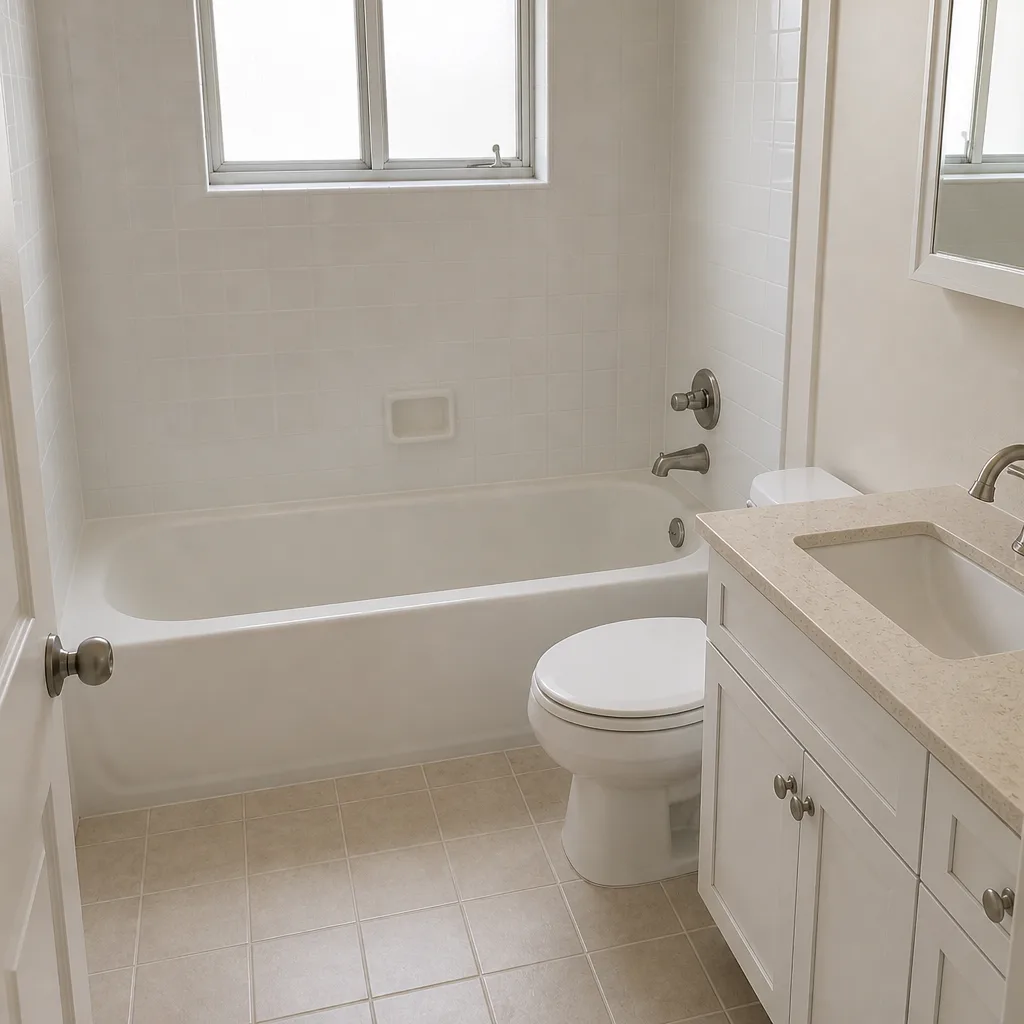 After
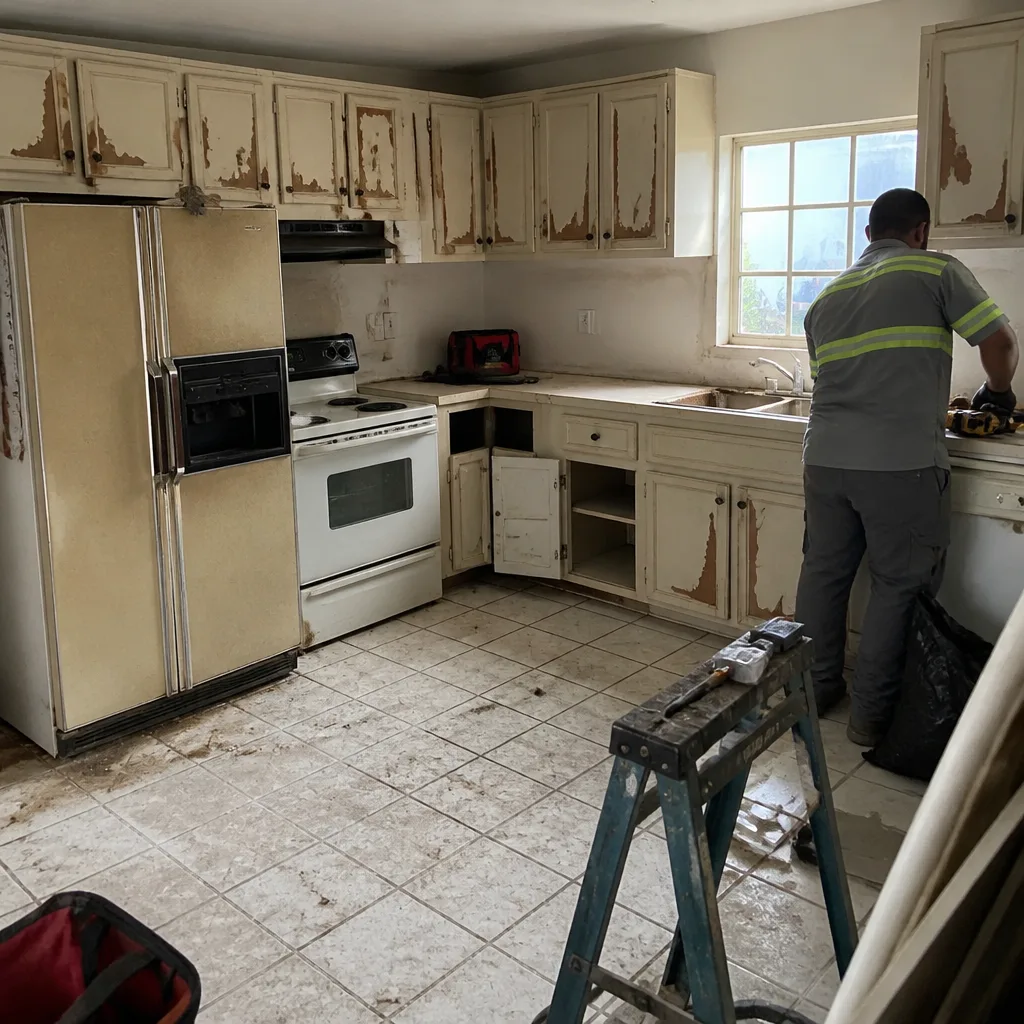 Before
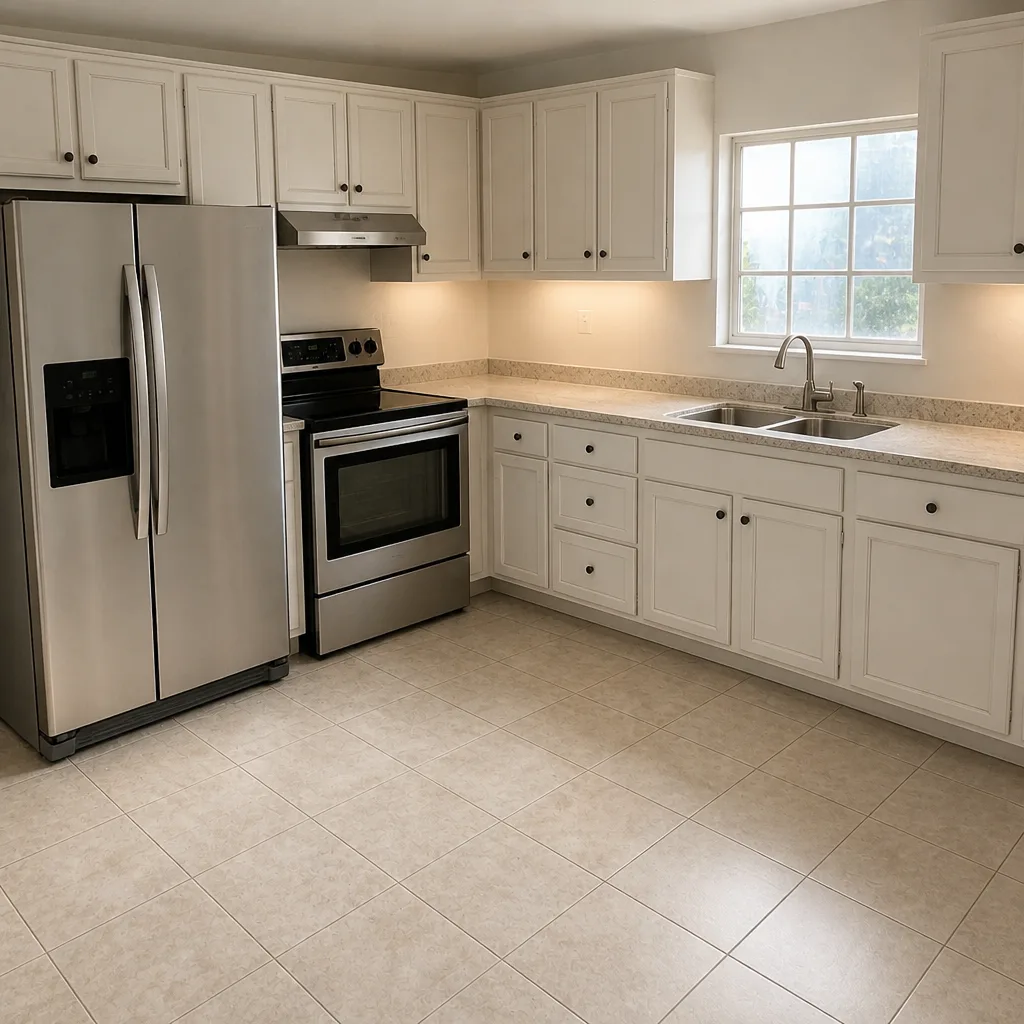 After
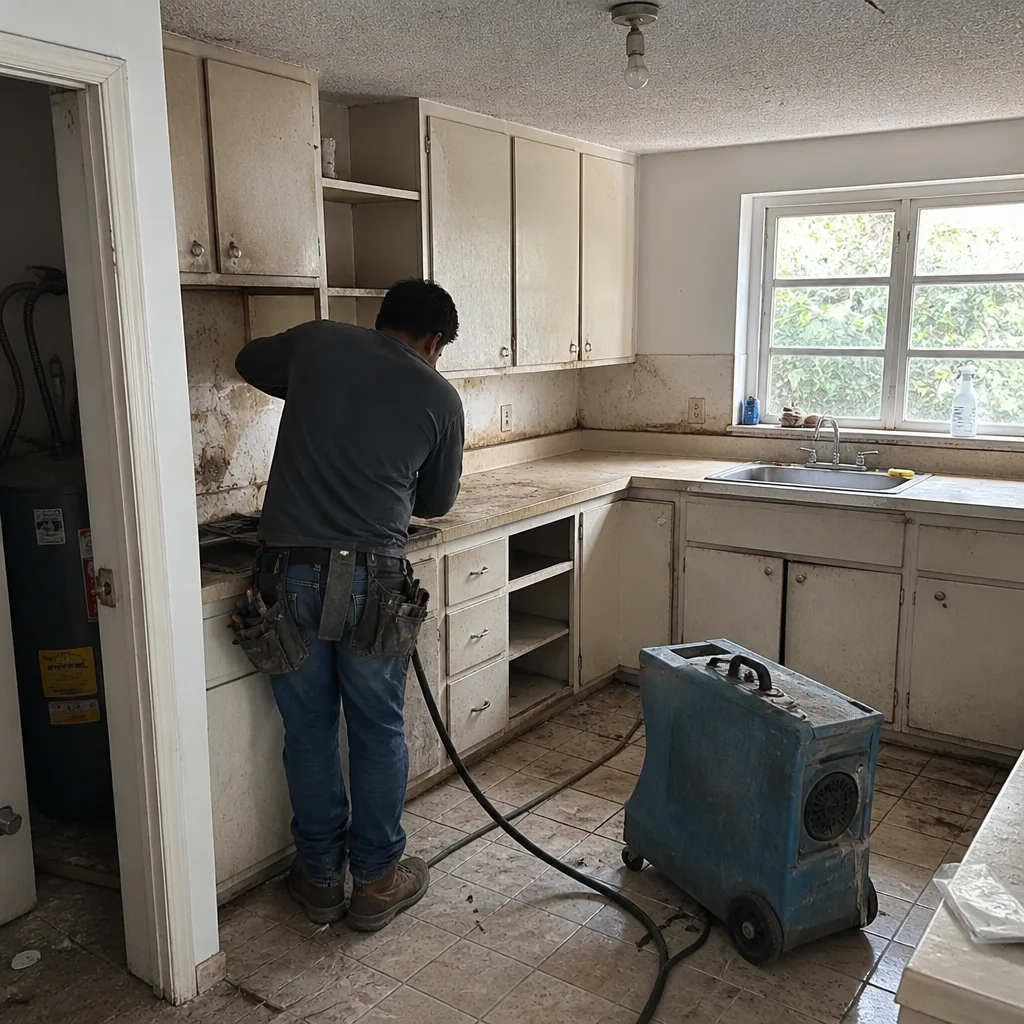 Before
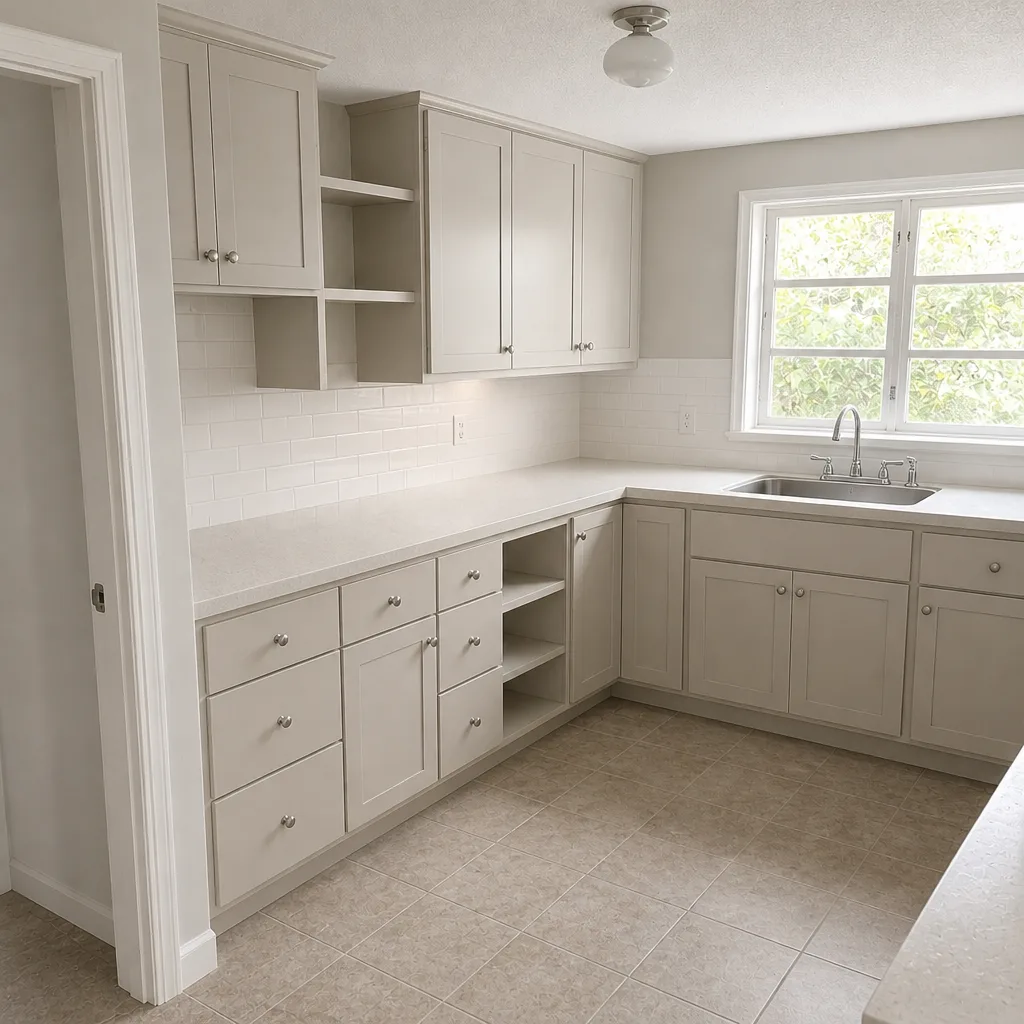 After
When to Call a Professional
Some maintenance is something you should do yourself. Some of it should never be. There’s a real difference between re-caulking a bathtub yourself and opening up a wall to check for water damage behind it. Our rule of thumb: if the work involves opening a wall, cutting into a waterproofing membrane, working in the attic during the heat of summer, or a shower or kitchen surface that could be structurally compromised, call a professional. The risks are not just cost. A bad waterproofing repair in Kendall can trap moisture in a wall or a knee wall for months before you notice, and the repair bill from that is far higher than the cost of doing it once, correctly.
We’re a general contractor, so we step in when maintenance has moved into repair or remodeling territory. Penhallow Remodeling Kendall offers free estimates in Kendall. Call (844) 560-5417 to schedule yours, and a real person will pick up, because we answer our phone 24/7.
Frequently Asked Questions

Every 12 to 18 months in a high-use bathroom, and check the seams every 3 months. The humidity in Kendall is brutal on caulk, so silicone caulk in wet areas lasts longer than latex, and a quick check quarterly catches a failed bead before water gets behind it. Call (844) 560-5417 if a seam has already opened up.
Every caulk line, the grout, all cabinet and drawer movement, and moisture under the sink. Hairline cracks at the seams are normal as caulk cures, but large gaps or dark spots in grout mean something is moving. Document what you find with photos and a date, and call (844) 560-5417 if anything looks off.
Not every task, but the ones that count can. Ignoring a leaking shower, making unauthorized modifications to the area, or failing to report a problem within the guarantee window can take a failure outside the guarantee. Best-practice items like re-sealing a counter or replacing a worn sweep generally don’t void a warranty. Call (844) 560-5417 if you’re unsure which category a task falls into.
The humidity, and the amount of rain. Miami-Dade averages over 60 inches of rain a year, so roof and seal inspections are more frequent here than in, say, Tampa or Orlando. Salt air also reaches inland with the sea breeze, which ages metal hardware faster than in a landlocked city. Call (844) 560-5417 for a Kendall-specific inspection schedule after a remodel.
Call if the issue involves a wall, waterproofing, the attic, or a surface that might be structurally compromised. The rest, like re-caulking a seam or replacing a showerhead, you can do yourself. When in doubt, call (844) 560-5417 and we’ll tell you plainly whether it’s a pro job or a homeowner job.
Keep a dated log and photos in the same folder as your written price and written guarantee. A yearly email to yourself with the year’s photos makes it easy to find. When the adjuster asks, you hand them the file. The same file also shows the contractor that the failure wasn’t caused by neglect, which is why we recommend it on every joint project.
The Bottom Line
Maintenance in Kendall isn’t a spring-and-fall checklist. It’s a wet-and-dry calendar timed to hurricane season, humidity, and salt air. The homeowners who stay ahead of it are the ones who re-caulk quarterly, check grout and waterproofing on schedule, and keep a running record of what they did and when. The rest, in our experience, pay for a cosmetic repair that turned into a remodel. If you’re getting ready for a kitchen or bath project and want a maintenance plan built into the written price, call (844) 560-5417 to schedule your free estimate. We answer the phone, we put the number in writing, and we stand behind the work for 365 days.
Written by the team at Penhallow Remodeling Kendall.