Last updated November 18, 2026
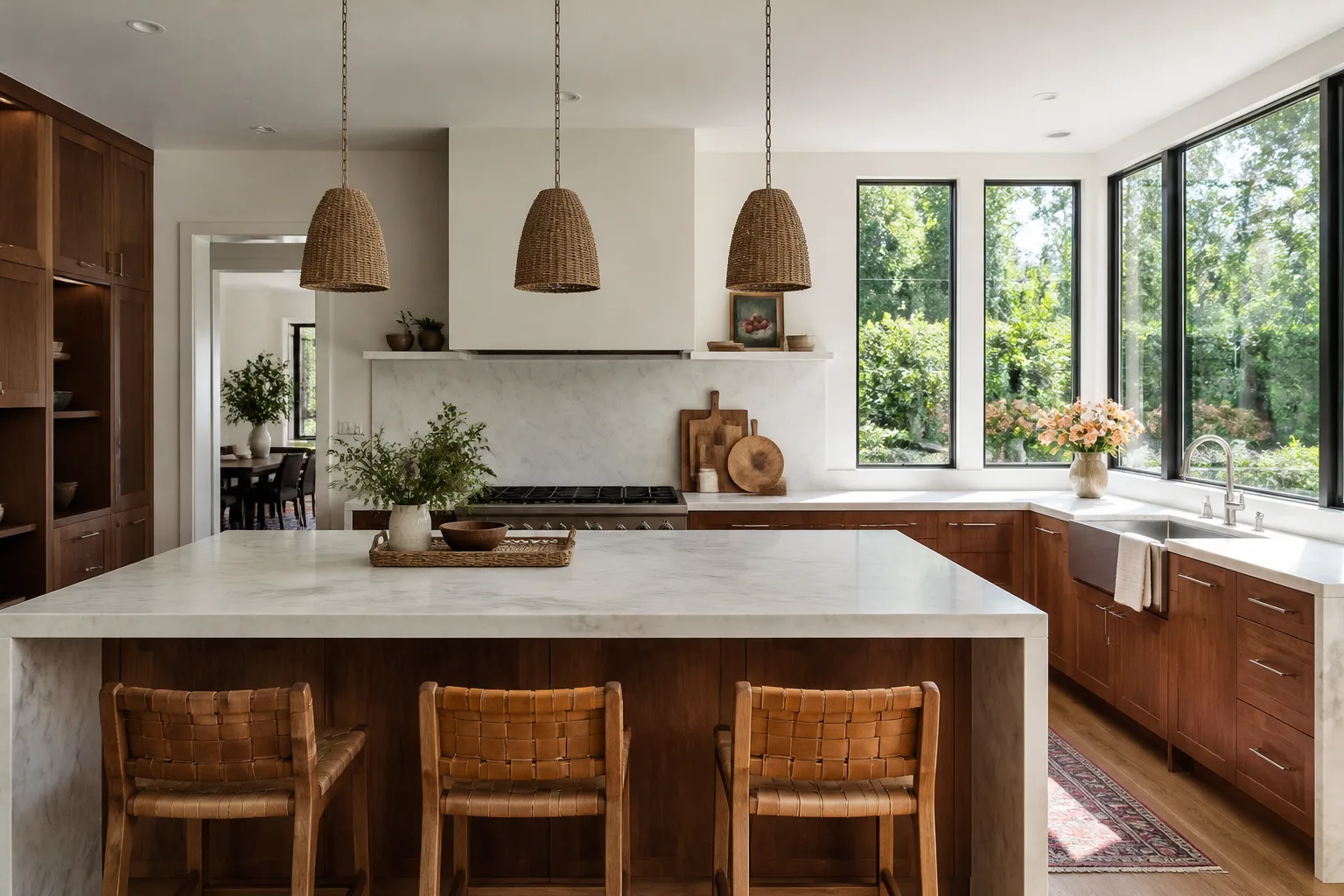

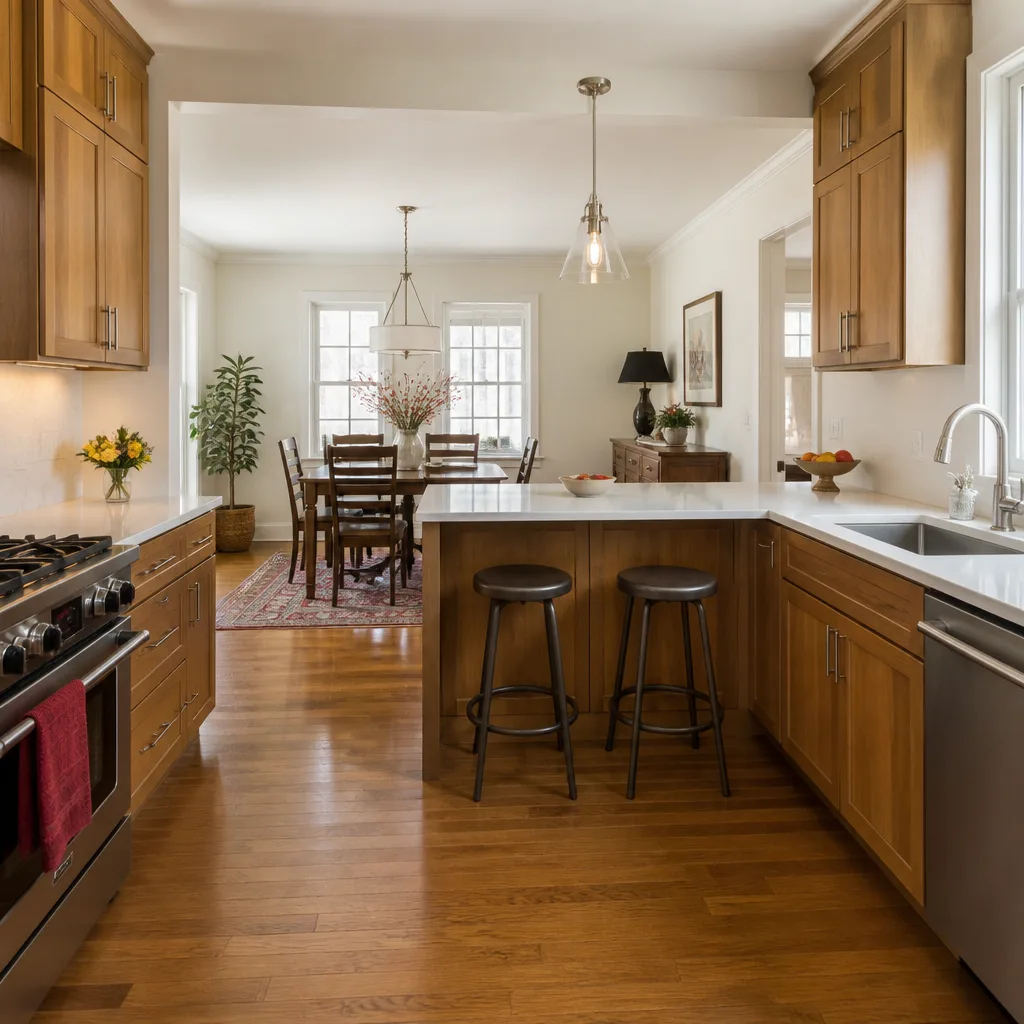


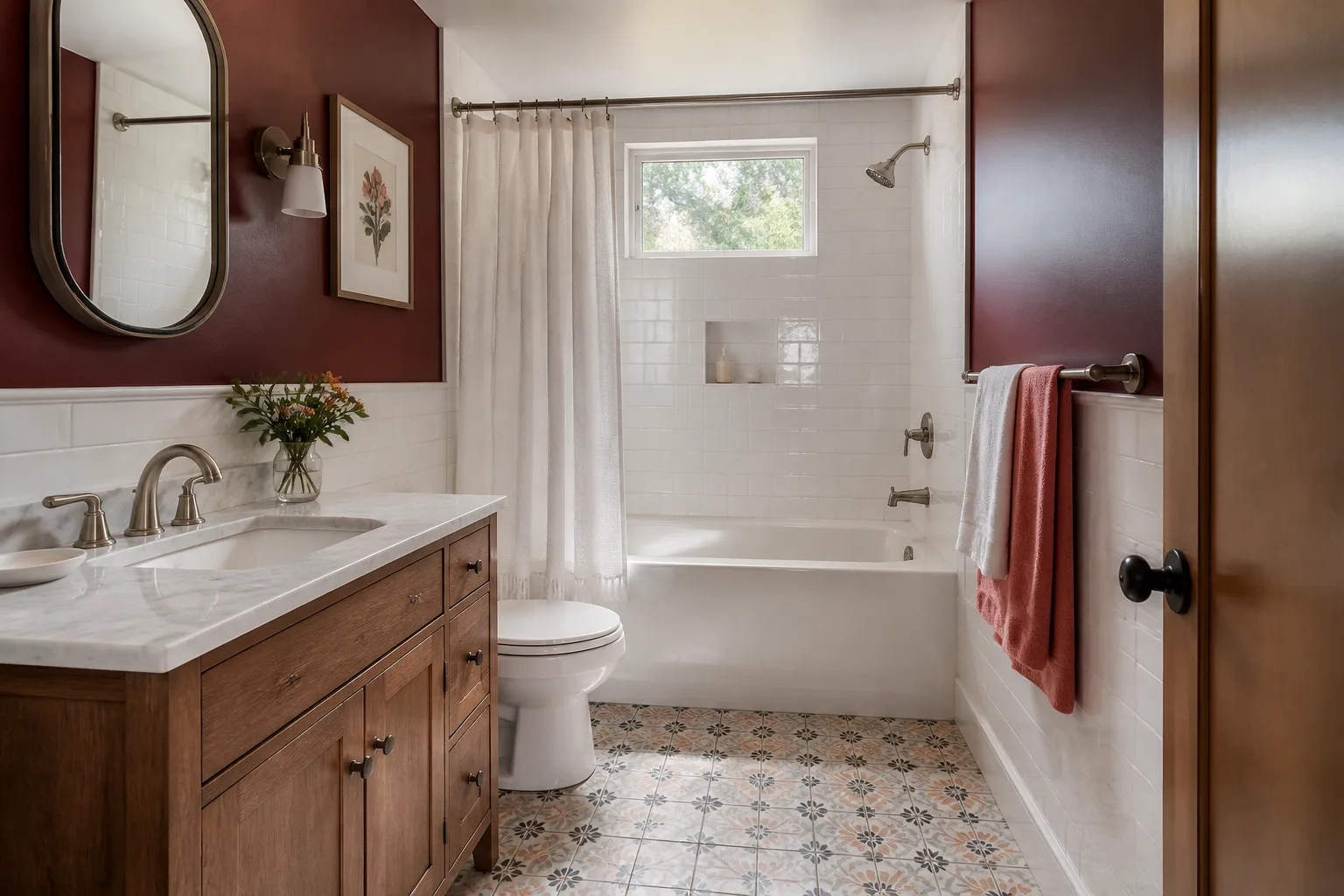
Free written scope consultation - allowances, timeline, and change-order rules on paper before a single trade is scheduled
How Long Does Kitchen Remodeling Take? Timelines and What to Expect
The cabinet lead time alone, not demo, not installation, not inspection, is the single variable that most controls whether your Kendall kitchen is done in six weeks or three months. And it’s a number your contractor knows on day one of the quote, not a surprise that surfaces mid-job. Most timeline guides hand you a useless range: “6 to 12 weeks.” That’s technically true and practically worthless when you’re trying to plan around a working kitchen. This guide breaks that range apart into the specific variables that push a job toward six weeks or toward twelve, so you can assess your own project honestly before you sign anything. We’ll cover what “weeks of work” actually means, how layout changes add real days, and the questions that reveal whether a contractor has mapped your timeline or is guessing.
Quick Answer
A typical kitchen remodel takes 6 to 12 weeks on-site, with the calendar total often running longer once you add cabinet fabrication lead time (4 to 10 weeks) and countertop template-to-install lag (1 to 3 weeks). In Kendall, Miami-Dade permitting and inspection scheduling can add another 1 to 3 weeks depending on whether walls, plumbing, or electrical are moving. In-place cosmetic remodels land near the short end; anything with a layout change lands near the long end.
Styles & brands we work with
- Kitchen remodeling
- Bathroom remodeling
- Home additions & ADU
- Roofing
- Windows & doors
- Driveway & pavers
- Fence
Table of Contents
- The Four Variables That Actually Set Your Timeline
- “Weeks of Work” vs. Calendar Weeks On-Site
- Layout-Change vs. In-Place Remodel Timelines
- Miami-Dade Inspection Scheduling and What It Costs You in Days
- Appliance Delivery: The Variable Nobody Plans For
- How to Build a Written Schedule Into Your Contract
- The Questions to Ask at the Quote Stage
- Common Mistakes to Avoid
The Four Variables That Actually Set Your Timeline
Every kitchen remodel timeline comes down to four moving parts. Three of them you can influence. One you mostly can’t. Understanding which is which is the difference between a plan that holds and a plan that collapses in week five.
1. Cabinet fabrication lead time
Semi-custom cabinets, which most Kendall homeowners choose for the balance of price and fit, run 4 to 8 weeks from order to delivery. Full-custom cabinetry pushes that to 8 to 12 weeks or more. Stock cabinets can be available in days, but they limit your layout and finish options. Brands like KraftMaid and Wellborn sit in the semi-custom range and are common on remodels in this market for exactly that reason. The order date, not the install date, is what you should ask about.
2. Countertop template-to-install lag
Countertops can’t be templated until base cabinets are set. That means the template happens after cabinet install, then fabrication runs 1 to 3 weeks for quartz or natural stone. Cambria, Silestone, and Caesarstone all carry their own factory warranties alongside the installer’s, but none of them speed up the fabrication clock. Plan for a two-to-three-week gap between “cabinets in” and “counters on.”
3. Miami-Dade inspection scheduling
If your remodel touches plumbing, electrical, or structural walls, you’ll need permits and inspections. Miami-Dade runs on its own schedule, and getting an inspector out can add days to a week at each phase. This is the variable you can’t control. A contractor who knows the local inspection rhythm builds the buffer in; one who doesn’t learns the hard way on your dime.
4. Appliance delivery
Appliance lead times have settled since the worst of the supply disruptions, but special-order finishes and built-in refrigeration still run 4 to 8 weeks. Order appliances the same week you sign the contract, not the week before install.
“Weeks of Work” vs. Calendar Weeks On-Site
Here’s where most homeowners get burned. A contractor says “four weeks of work,” and you hear “done in four weeks.” Those are different numbers. Four weeks of work spread across an eight-week calendar is normal, not a broken promise.
Why the gap? Because the work isn’t linear. Demo happens fast, in a day or two. Then there’s a lull while rough-in trades stagger through. Then cabinet install. Then another pause for countertop fabrication. Then tile, then paint, then trim, then punch list. The pauses are real time the job isn’t “working” but isn’t finished either.
Read a schedule promise this way:
- Weeks of work = days a crew is physically on-site doing labor, added up.
- Calendar weeks = the total span from demo day to final walk-through, including waits.
- Substantial completion = the date the kitchen is usable, even if a trim piece or a touch-up is outstanding.
- Final completion = every punch-list item closed.
Ask for all four numbers in writing. A contractor who can only give you one hasn’t mapped the timeline; they’ve estimated labor hours and called it a schedule. This is the kind of clarity we build into every quote ourselves, and it’s why our Kitchen Remodeling in Kendall projects start with a written price and a written schedule before demo day.
Layout-Change vs. In-Place Remodel Timelines
The single biggest timeline decision you’ll make is whether the kitchen stays where it is or gets rearranged. Here’s the honest comparison.
In-place remodel (cosmetic refresh)
Same footprint, same plumbing, same electrical rough-in. You’re replacing cabinets, counters, backsplash, and finishes. Typical on-site time: 4 to 6 weeks. Inspection exposure is minimal because nothing structural moves.
Layout change (walls, plumbing, or island)
Now you’re in a different category. Opening a wall to check for load-bearing status, moving a sink or range, adding an island with a new electrical drop – each of these adds real days, not hours. Typical on-site time: 8 to 12 weeks, sometimes longer if the wall turns out to be structural or the plumbing has to reroute around a slab.
What each move adds, roughly:
- Opening a non-load-bearing wall: 2 to 4 days plus inspection.
- Moving plumbing: 3 to 5 days plus inspection, more if slab work is involved.
- Adding an island with an electrical drop: 2 to 3 days plus inspection.
- Removing a load-bearing wall: 1 to 2 weeks, engineered beam, permits, and inspection included.
In a Kendall home, slab-on-grade construction is common, which means moving plumbing can mean cutting concrete. That’s a real cost and a real time add. It’s the kind of thing worth knowing before the bid, not after.
Miami-Dade Inspection Scheduling and What It Costs You in Days
Miami-Dade County runs its own permitting and inspection system, and the schedule isn’t the same as neighboring counties. If your remodel pulls permits for plumbing, electrical, or structural work, you’ll typically encounter three inspection points: rough-in (before walls close), framing, and final.
Realistic timing for each:
- Permit approval: 2 to 4 weeks from submittal, depending on scope and completeness.
- Rough-in inspection: schedule 3 to 7 days out from call, then 1 to 2 days for the inspector’s report.
- Framing inspection: similar window, similar report lag.
- Final inspection: 3 to 7 days out from scheduling.
The lesson isn’t that inspections are slow. The lesson is that a contractor who submits a complete permit package the first time saves you weeks over one who gets bounced for a missing drawing. Ask at the quote stage how the permit package gets assembled and who’s responsible for the submittal. The same question applies across the trades, which is one reason it pays to work with a General Contractor in Kendall who coordinates the whole sequence rather than handing you off between subs.
Appliance Delivery: The Variable Nobody Plans For
Appliances are the forgotten timeline driver. Everyone thinks about cabinets. Nobody thinks about the fact that a 48-inch built-in refrigerator ordered in week two might not land until week nine, and you can’t finish trim until it’s in place.
A sensible appliance plan:
- Order at contract signing, not at install. Standard finishes run 2 to 4 weeks; special-order finishes run 4 to 8.
- Confirm the delivery window in writing. “Mid-October” isn’t a date.
- Coordinate the electrical and plumbing rough-in with the appliance specs. A wall oven needs the right circuit; a range needs the right gas line or 240V drop. Getting this wrong means re-opening finished walls.
- Have everything on-site before cabinet install begins. Trim carpenters and finish crews sequence around appliances, not the other way around.
In our experience running projects across Kendall, appliance lead time is the second-most-common cause of a late punch list after cabinet delay. Getting both ordered in the same week is the single best schedule decision a homeowner can make.
How to Build a Written Schedule Into Your Contract
A schedule that lives only in a contractor’s head isn’t a schedule. It’s a hope. Here’s how to get it in writing.
Your contract should include a milestone table with dates, not just a start date. At minimum:
- Demo start date – a calendar date, not “week of.”
- Rough-in inspection target – the date by which plumbing/electrical rough-in should pass.
- Cabinet delivery date – from the manufacturer, in writing.
- Countertop template date – the day after cabinet install completes.
- Substantial completion date – the day the kitchen is usable.
- Final walk-through date – the day the punch list closes.
Each milestone should trigger a check-in call from the contractor to you, not the other way around. If a milestone slips, the contractor calls you with a new date and a reason before you notice the slip. That’s the standard. Anything less and you’ll spend the remodel chasing updates, which is exactly the experience the Kingswell Way is designed to eliminate: say the price before the work, show up in the window we gave, leave the place cleaner than we found it.
The Questions to Ask at the Quote Stage
You can tell within fifteen minutes whether a contractor has actually mapped your timeline or is guessing. These questions do the work.
- “What’s the cabinet lead time for the line you’re quoting?” A real number, not “a few weeks.” If they can’t answer, they haven’t ordered cabinets like yours recently.
- “What’s the countertop template-to-install window for this material?” Quartz and natural stone differ. So do fabricators.
- “Does this scope require a Miami-Dade permit, and who submits it?” If the contractor doesn’t know, that’s a signal.
- “How many inspection phases will this project need, and what’s the typical scheduling lead in this county?”
- “What’s your substantial completion date, and what triggers a check-in call from you?” The answer tells you whether they plan to be proactive or reactive.
- “If a milestone slips, what happens?” A written schedule means a written response when it slips. A verbal one means a phone call you’ll have to make.
Ask these questions about any trade you hire, not just the remodeler. The same discipline that separates a real schedule from a wish applies to bathroom projects and whole-home work too. If you’re planning a full bathroom refresh alongside the kitchen, for example, the Bathroom Remodeling in Kendall page walks through the bathroom-specific timeline variables that don’t apply to kitchens.
Common Mistakes to Avoid
- Treating the “weeks of work” number as calendar weeks. It almost never is. Ask for both, in writing, before you sign.
- Ordering cabinets before appliances. The reverse is safer. Appliance specs drive rough-in dimensions, and getting that wrong can mean re-opening a finished wall.
- Skipping the permit conversation. In Miami-Dade, unpermitted plumbing or structural work becomes a resale problem. A real contractor brings it up first; a cheap one hopes you don’t ask.
- Approving a layout change without a new schedule. Moving a wall adds days, not just dollars. Get the revised timeline before demo starts, not after.
- Assuming countertops arrive when cabinets do. They don’t. Template happens after install. Build the gap into your plan, especially if you’re hosting family during a specific month.
- Hiring on price alone without a written schedule. A verbal estimate that changes at the door almost always comes with a verbal schedule that changes too. The two travel together.
- Not asking who’s on-site each day. Background-checked, uniformed technicians arriving in a defined window is a scheduling standard, not just a courtesy. It’s a real indicator of whether the project will run on time.
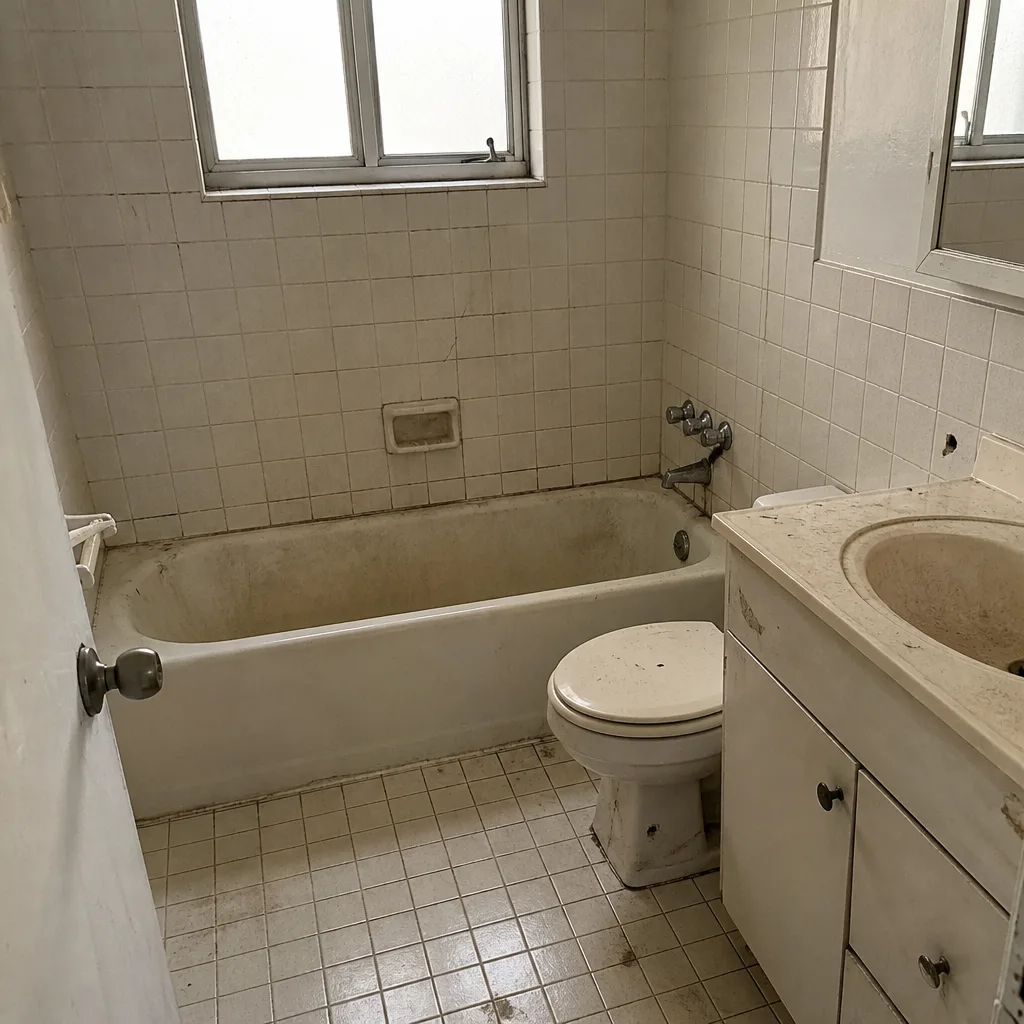
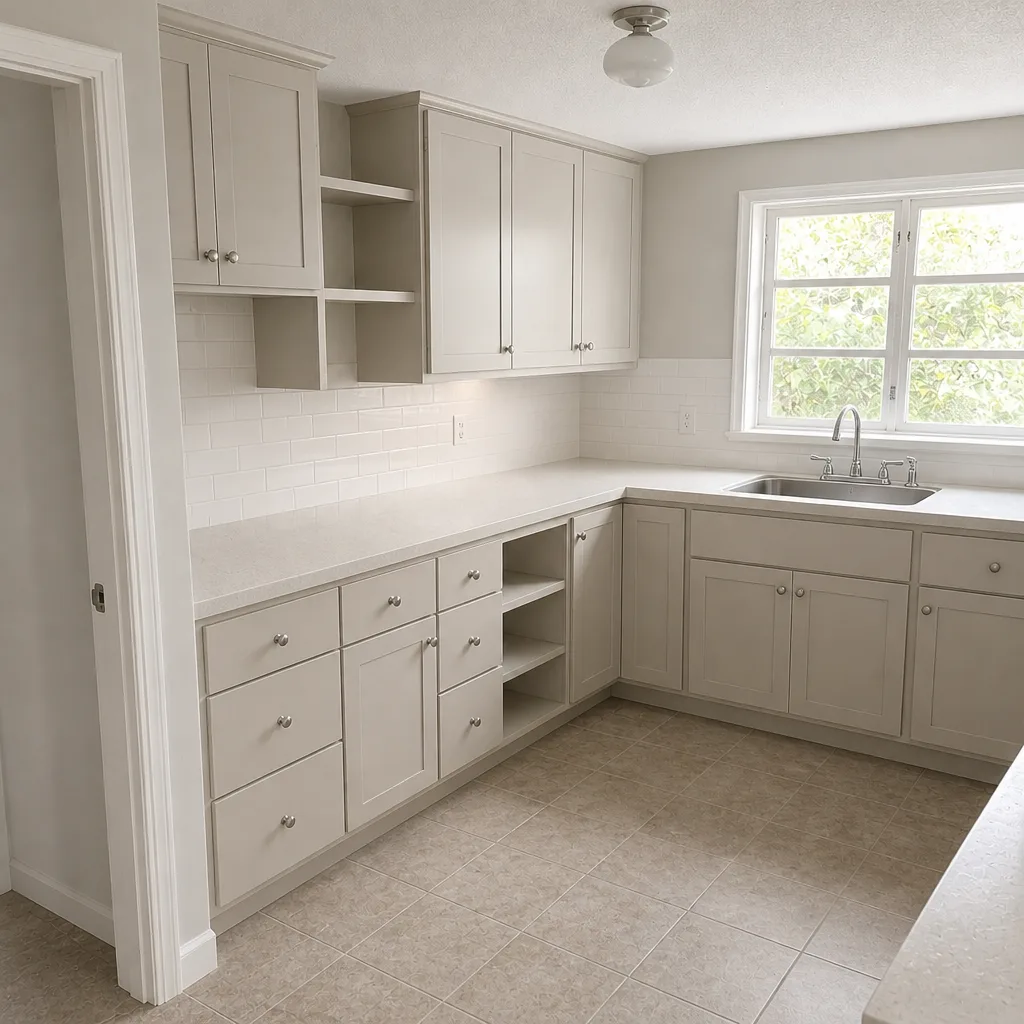
See the difference
 Before
 After
 Before
 After
 Before
 After
When to Call a Professional
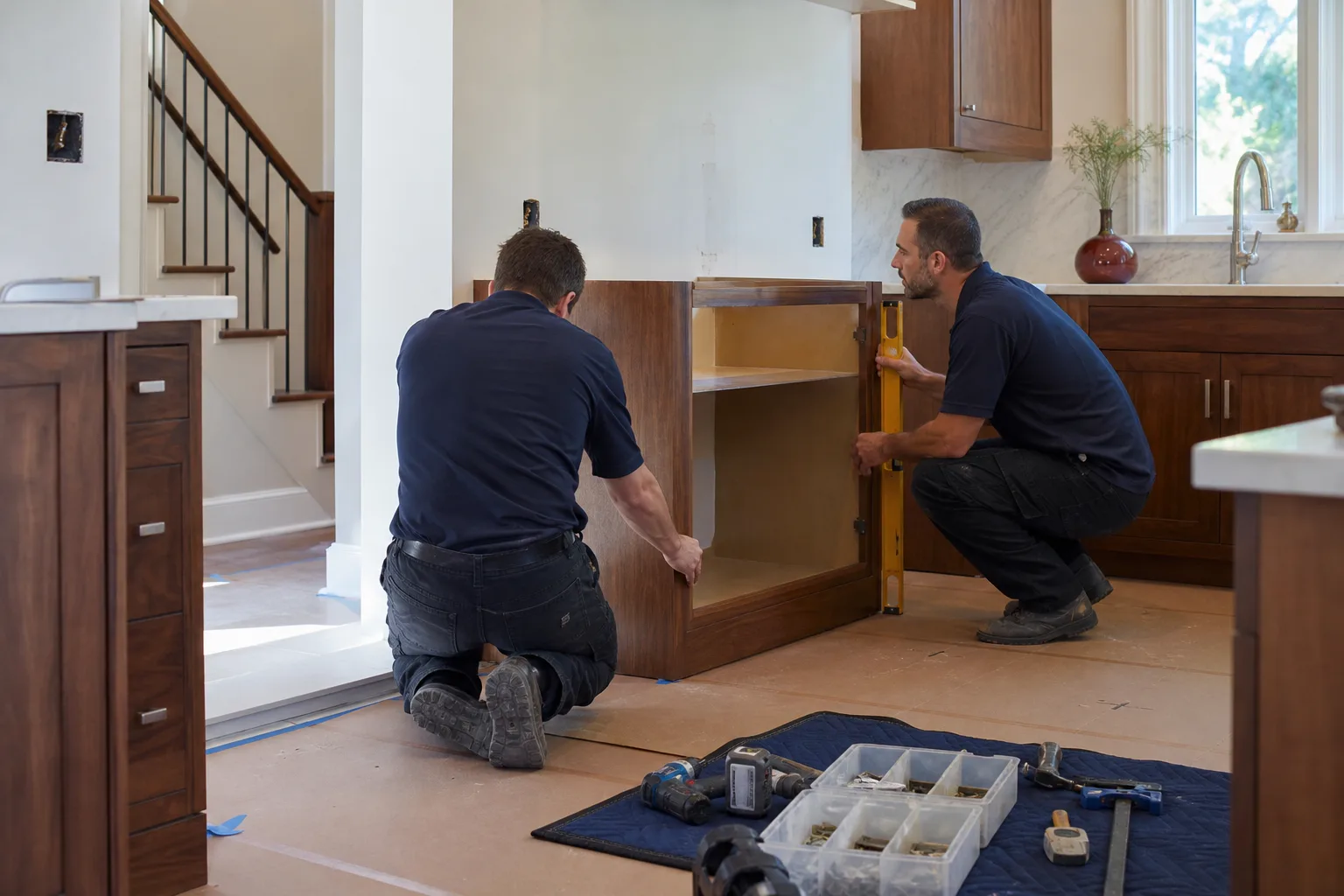
Some kitchen projects are genuinely doable as owner work. Replacing a faucet, swapping a light fixture on an existing circuit, painting cabinet boxes. But most of what drives kitchen timelines – moving plumbing, opening walls, coordinating cabinets, counters, and inspections – is a sequencing problem that gets expensive when it goes wrong. If your remodel touches any of those, or if you’re looking at a 6-to-12-week on-site window and want a written schedule to hold to, that’s when a professional conversation is worth having.
Penhallow Remodeling Kendall offers free estimates in Kendall – call (844) 560-5417. Our technicians have up to 22 years of experience, and every project starts with a written price, a written schedule, and a written guarantee. You’ll know who’s coming into your home, when they’ll arrive, and what they’ll be doing before the first cabinet comes down. It’s the standard you should expect, and it’s the one we hold ourselves to on every kitchen we take on.
Frequently Asked Questions
Most kitchen remodels in Kendall take 6 to 12 weeks on-site. In-place cosmetic refreshes land near 4 to 6 weeks. Layout changes involving walls, plumbing, or a new island run 8 to 12 weeks. Add 4 to 10 weeks of cabinet lead time and 1 to 3 weeks of countertop fabrication to get your true calendar total. Call (844) 560-5417 for a written schedule on your specific project.
Because “weeks of work” counts labor days, and calendar weeks count everything, including waits for cabinet fabrication, countertop templating, inspections, and appliance delivery. Those gaps are normal and predictable. A contractor who maps them into the schedule builds an accurate promise; one who doesn’t learns the hard way on your dime.
Yes, if your project touches plumbing, electrical, or structural walls. Cosmetic-only remodels (same layout, surface finishes) usually don’t require permits. Miami-Dade permit approval runs 2 to 4 weeks from submittal, with inspection scheduling adding days at each phase. A complete, first-time-correct permit package is worth asking about at the quote stage.
Yes. Cabinet lead time is the single biggest driver of your calendar total, and ordering at contract signing rather than after demo shaves weeks. Order appliances the same week so both arrive before install begins. Call (844) 560-5417 for a cabinet line consultation – KraftMaid and Wellborn are both available on our projects.
Layout changes, by a wide margin. Moving a wall or plumbing adds 3 to 7 days plus inspection exposure. Upgrading a finish usually adds zero to the on-site schedule; it just changes the price. A kitchen that stays put with premium finishes can finish faster than one that moves a sink with builder-grade materials.
Ask for a written milestone table with calendar dates, not just a start date. Ask what the cabinet lead time is for the line being quoted, what the countertop template-to-install window is, and who submits the Miami-Dade permit package. A contractor who has actually mapped your project can answer all three in the quote conversation. If they can’t, they’re estimating labor, not scheduling work.
The Bottom Line
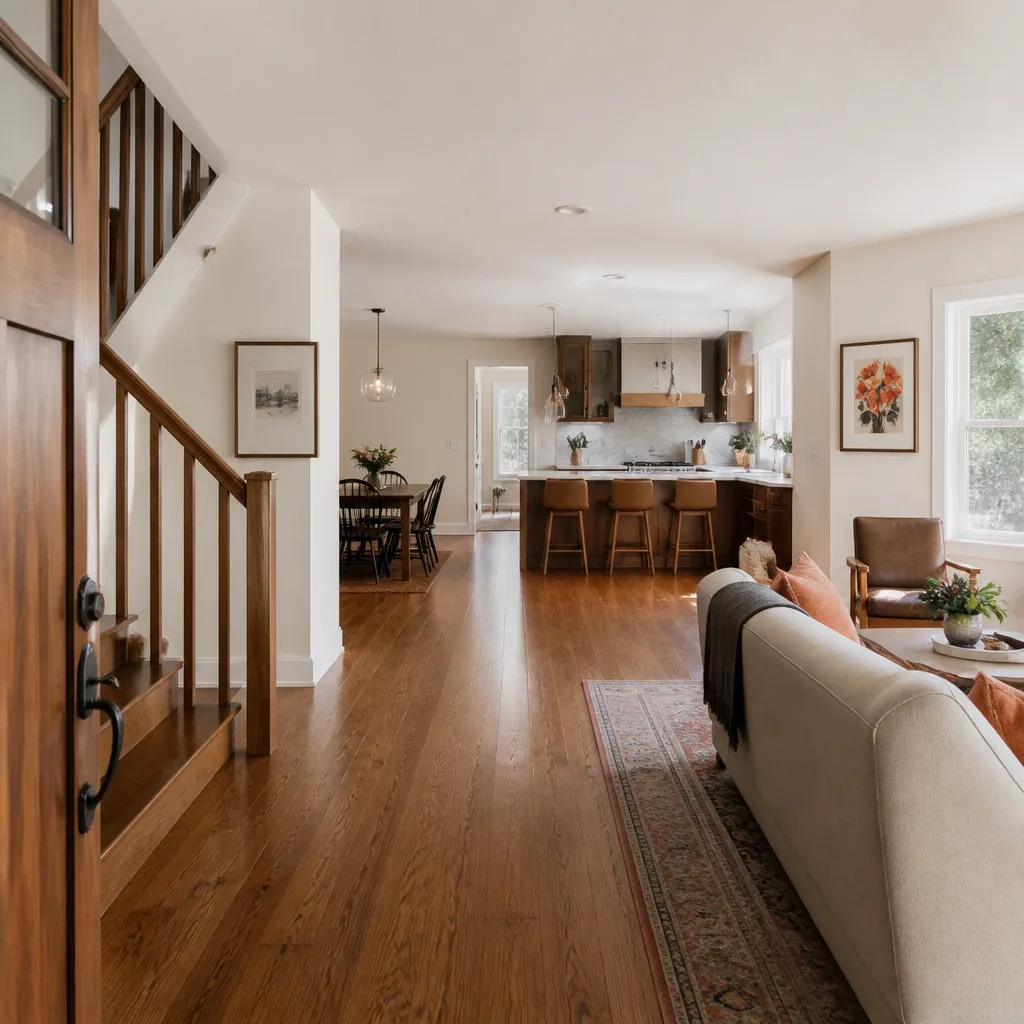
Kitchen remodels don’t run long because contractors are lazy; they run long because the timeline has four moving parts (cabinets, countertops, inspections, appliances) and only one of them is under the crew’s direct control. The “6 to 12 weeks” range is honest shorthand for a real spread that comes down to whether the layout moves, when cabinets are ordered, and how well the permit package is assembled. If you want to know which end of that range your project sits on, get the numbers in writing before demolition day, ask the six quote-stage questions, and hold the contractor to a written schedule with milestone check-ins. That’s the difference between a remodel that feels slow and one that feels planned.
If you’re ready to talk through your Kendall kitchen project, Penhallow Remodeling Kendall offers a free estimate with a written price and a written schedule up front. Every project carries our 365-Day Done Right Promise – if it isn’t done right, we come back and make it right, in writing. Call (844) 560-5417.
Written by the team at Penhallow Remodeling Kendall.