Last updated November 18, 2026



Free written scope consultation - allowances, timeline, and change-order rules on paper before a single trade is scheduled
Choosing the Right Construction Brand: A Buyer’s Guide for Kendall
You can spend a weekend comparing window brands on a national home improvement site and pick the one with the best warranty, the longest track record, the highest rating. Then you find out it has no Miami-Dade Notice of Acceptance, and it’s not legal to install on your home in Kendall. No amount of comparison shopping fixes that. What you learn in this guide is how to run the brand decision the way it actually works here: code approval comes first, warranty and quality come second, and local supply relationships decide how fast and how well a callback gets handled when something goes wrong. We’ll walk through the Miami-Dade approval database, how to read an approval number on a spec sheet, why HVAC and roofing approvals work differently from cabinets and fixtures, and what your contract should say when a specified brand gets swapped.
Quick Answer
The right construction brand in Kendall is one that holds a current Miami-Dade Notice of Acceptance (or an equivalent Florida Product Approval) for the specific product and application, and it’s the one your contractor can source locally so a failed part gets replaced in weeks rather than months. Brand reputation and warranty matter after that. If a product has no approval for its use in Miami-Dade County, it’s not a matter of taste or budget; it can’t be installed legally on permitted work.
Styles & brands we work with
- Kitchen remodeling
- Bathroom remodeling
- Home additions & ADU
- Roofing
- Windows & doors
- Driveway & pavers
- Fence
Table of Contents
- Why Miami-Dade NOA Approval Comes Before Brand Preference
- How to Search the Miami-Dade Product Control Database
- Reading the Approval Numbers on a Contractor’s Spec Sheet
- Manufacturer Warranty vs. Contractor Workmanship Guarantee
- Roofing System Brands in Kendall: HVHZ Approvals Are System Approvals
- Cabinets and Fixtures: Why Local Supply Relationships Matter
- What to Ask When a Contractor Substitutes a Specified Brand
- Common Mistakes to Avoid
Why Miami-Dade NOA Approval Comes Before Brand Preference
Miami-Dade County runs its own product approval system, separate from the state’s product approval list, because of the wind loads and hurricane exposure here. A product needs a Notice of Acceptance (NOA) to be used in certain applications in the County. That includes exterior doors and windows, shutters, roofing systems and their components, impact glazing, and a range of structural products. If a product or a system doesn’t hold an NOA for the application your contractor is using it for, the building department can’t accept it and the inspection won’t pass.
Kendall sits in Miami-Dade County, which means a homeowner on a quiet canal street here is subject to the same approval rules as a project on Miami Beach. That’s where a national brand comparison guide gets it wrong. Those guides rank products on aesthetics, warranty length, and price. Here, a product with an expired NOA, or an NOA that covers a lower design pressure than your opening requires, is off the table no matter how well it scores elsewhere.
This is not a reason to feel trapped. It’s a reason to restructure the decision:
- Start with the spec sheet and the approval numbers, not the brand badges.
- Narrow the field to brands that have the right approvals for your specific project.
- Then compare warranty, price, appearance, and lead time within that eligible group.
In our experience in Kendall, this order saves weeks. When a homeowner falls in love with a window brand first, the whole project can stall while they learn it won’t pass, then start the real search from zero.
How to Search the Miami-Dade Product Control Database
Miami-Dade maintains a public product approval database through its Department of Regulatory and Economic Resources. You can search it directly, and we’d encourage you to, because it puts the code question in your hands rather than relying entirely on what a contractor tells you. The search is free and doesn’t require an account.
Numbered steps for searching:
- Go to the Miami-Dade product approval search on the County website. Search “Miami-Dade product control approval” if you need the exact page.
- Enter the manufacturer name and the product family, not just the brand. Roofing, windows, doors, and structural products are tracked separately.
- Open every approval result and check the expiration date. NOAs are issued for a term and must be current and not superseded by a newer version.
- Confirm the approval covers your application. A product approved as a component might not be approved as part of the system you’re installing.
- Check the design pressure (DP) rating if it’s a window, door, or other opening product. Your project needs a rating at or above what the County requires for your location and height.
- Note the approval number, expiration, and product description exactly as they appear. Bring those notes to your contractor meeting.
When we spec materials for a Kendall remodel, the approval number is part of what we put in writing. That’s not a marketing gesture: it’s the difference between a permit that clears and one that sits. Homeowners who already know how to search the database ask sharper questions, and we’d rather have that conversation before cabinet day than after it.
Reading the Approval Numbers on a Contractor’s Spec Sheet
A spec sheet from a contractor should name the product and carry the approval number tied to that exact product. If you see a line item for a window, it should read like a specific model, not just “impact window” with a brand badge. The approval number on the sheet should correspond to a current, active NOA for that application.
Here’s what we put in writing on Kendall projects, and what you should expect to see:
- Product name and model line. Example: a specific impact window series, not “impact windows.”
- Miami-Dade approval number. The NOA number, with the expiration date noted.
- Application. What the approval covers: single-family residential, fixed unit, operating unit, roof system assembly, and so on.
- Design pressure rating where it applies. The number should meet or exceed the requirement for your opening.
- Installation method. For windows and doors, the approval often specifies how the product attaches to the wall assembly. A correct product installed the wrong way can fail inspection.
If a contractor hands you a brochure and a verbal description, ask for the spec sheet in writing. If the approval number isn’t on the sheet, ask for it. A crew that runs this process routinely won’t mind. A crew that runs it loosely often will, and that’s your signal. On our own projects we treat the spec sheet as part of the written price, not a separate courtesy document.
Manufacturer Warranty vs. Contractor Workmanship Guarantee
A manufacturer warranty covers a defective product. A contractor’s workmanship guarantee covers the labor of installing it, and those are different things that pay out for different reasons. When a window leaks, the water doesn’t pause to check whether the product was defective or the install seal failed. Your warranty claim does.
This matters for brand choice because the manufacturer of a specified product may honor a warranty only if the product was installed per its written instructions, and Miami-Dade approval often ties to a specified install method. A contractor who substitutes an unlisted brand, or re-installs a listed one in a non-approved way, can void the manufacturer coverage without the homeowner realizing it. That’s one reason product brand choice affects which warranty actually pays out.
- Manufacturer warranty: the brand’s contract with you for the product itself. Covers defect, sometimes performance, often only with approved installation.
- Workmanship guarantee: the contractor’s contract with you for the install. Covers leaks, callbacks, rework of their own labor.
- Approval status: the code layer. If the product or system isn’t approved, the manufacturer isn’t obliged and the contractor’s hands may be tied by the inspection result.
On every Penhallow Remodeling Kendall project, the workmanship is covered by the 365-Day Done Right Promise: if the work fails inside the guarantee period, we come back and fix it at no charge, and the guarantee is written into the project. That written guarantee sits alongside whatever warranty the manufacturer offers, so a leak is covered by a real party who answers the phone, whichever layer the failure traces back to. When we install Cambria quartz or a Kohler fixture, you’re getting the manufacturer’s coverage on the product and ours on the work, and we’ll spell out both in the contract.
Roofing System Brands in Kendall: HVHZ Approvals Are System Approvals
In the High Velocity Hurricane Zone, roofing approvals are mostly system approvals, not single-product approvals. That means the approval covers a combination: the membrane or tile, the adhesive or fastener pattern, the underlayment, and the deck attachment method, all tested together. A brand of tile with a strong national reputation can still be wrong for your house if the system as installed doesn’t match the approved combination.
Kendall homes carry several roof types, and each one has its own set of approved systems. A concrete tile roof on a 1980s block home isn’t the same specification as a shingle roof on a smaller earlier house. The brand decision on a tile roof is really a decision about a system, and the system has to be documented in the permit package.
What to ask a roofing contractor in Kendall:
- Which approved HVHZ system are you using, and what is the approval number?
- What is the exact product and thickness of each component in the system?
- What is the fastener pattern, and does it match the approved pattern for my deck type?
- Does the manufacturer’s warranty cover the full system as installed, or only the tile?
- Who is the installer of record on the warranty, and is the crew certified by the manufacturer?
Mixing components across approved systems is one of the quiet failures we see in Kendall. A homeowner chooses a tile brand they like, the crew uses an underlayment from a different approved system, and the two are no longer in an approved combination. The roof may pass a casual look and still fail inspection or, worse, fail its manufacturer warranty later. Our technicians have up to 22 years of experience, and the ones who do our roof-related coordination have seen this go badly more than once.
Cabinets and Fixtures: Why Local Supply Relationships Matter
Kitchen and bathroom brands don’t run through NOA approvals the way exterior products do. A cabinet brand doesn’t carry a Miami-Dade Notice of Acceptance. The constraint here is different: sourcing. When a cabinet door arrives with a bent hinge, or a faucet cartridge fails at month eight, the difference between a two-week fix and a nine-week wait is often whether the contractor can pull a replacement locally and who they can call to get it done.
A brand your contractor can source through a local dealer or distributor in the Miami market usually means faster lead times and faster callbacks. That’s part of why we specify brands we can actually stand behind here:
- KraftMaid and Wellborn cabinets. Both have supply channels that serve South Florida, and replacement doors and drawers are sourced without a cross-country wait.
- Cambria, Silestone, and Caesarstone counters. Slab availability in the local fabricator network matters if a section ever needs to be replaced.
- Kohler, Moen, Blanco, Delta, Grohe, and Toto fixtures and hardware. Cartridges, aerators, and trim can be sourced through trade supply in the area rather than only through the brand’s direct mail channel.
- James Hardie siding, Therma-Tru doors, Belgard and Unilock pavers. Same principle: local distribution, standard replacement parts.
If a homeowner wants a brand that’s sourced only through a single out-of-state seller, we’ll tell them, and we’ll note in the written contract how a callout would work under that arrangement. That’s a fair conversation to have at the spec stage, not after the cabinet installed.
What to Ask When a Contractor Substitutes a Specified Brand
Substitutions happen. A specified model is discontinued, back-ordered, or the price shifts between estimate and order. That’s normal. What shouldn’t be normal is a substitution done without documentation, because the substitute has to be approved for its application and from a source your contractor can support long term. A written contract should specify how substitutions are handled, what documentation has to accompany the change, and who signs off.
Ask these questions in writing, and require the answers in the contract:
- What written notice do I get before any substitution, and how many days notice?
- Which specific products are considered acceptable equivalents, and on what basis (approval, warranty, spec, appearance)?
- For an exterior product or roof system, what approval document comes with the substitute, and does the approval cover my application?
- Does the substitute carry its own manufacturer warranty, and is it equal to or better than the original specification?
- Does the contractor’s workmanship guarantee still cover the substitute?
- Is the price adjusted if the substitute costs less, and how is that credited?
- Who signs the written change order, and does the final invoice reflect only approved changes?
The best protection is a written price before any work starts, with substitutions handled as written change orders and approved products and warranty documentation on file. That’s the core of what we do at Penhallow Remodeling Kendall, and it’s why we can offer fixed pricing on our projects: no change orders come at the end, because the scope and the numbers are settled before we start.
Common Mistakes to Avoid
- Choosing a brand before checking the NOA. Picking a window or door brand on a national review site and then discovering it has no Miami-Dade approval for the application wastes weeks. Check the database first.
- Trusting a single product NOA on a roofing system. In Kendall’s HVHZ, the approval often covers the whole system, not just the tile. Mixing components across systems can fail inspection.
- Assuming the manufacturer warranty pays for a leak. A leak that traces to a workmanship failure can void the product warranty. Get the workmanship guarantee in writing and understand both layers.
- Not asking about the specified installation method. Many approvals specify how the product attaches to the wall or deck. A correct product installed the wrong way can fail.
- Ignoring local sourcing when choosing a brand. A fixture brand only available through an out-of-state seller can stretch a callback from weeks to months if a component fails.
- Accepting a verbal “equivalent” substitution. Any substitute needs written documentation and the same approval correspondence the original did.
- Leaving price open until demo day. The number should be in writing before the first cabinet comes out. A range that moves after demo is the most common expensive surprise in Kendall kitchens.
If your current project is already past the spec stage and something’s been substituted without paperwork, that’s fixable. We’ve helped homeowners sort through this when they call us. Our general contracting team in Kendall can review what was installed against what was approved.
See the difference
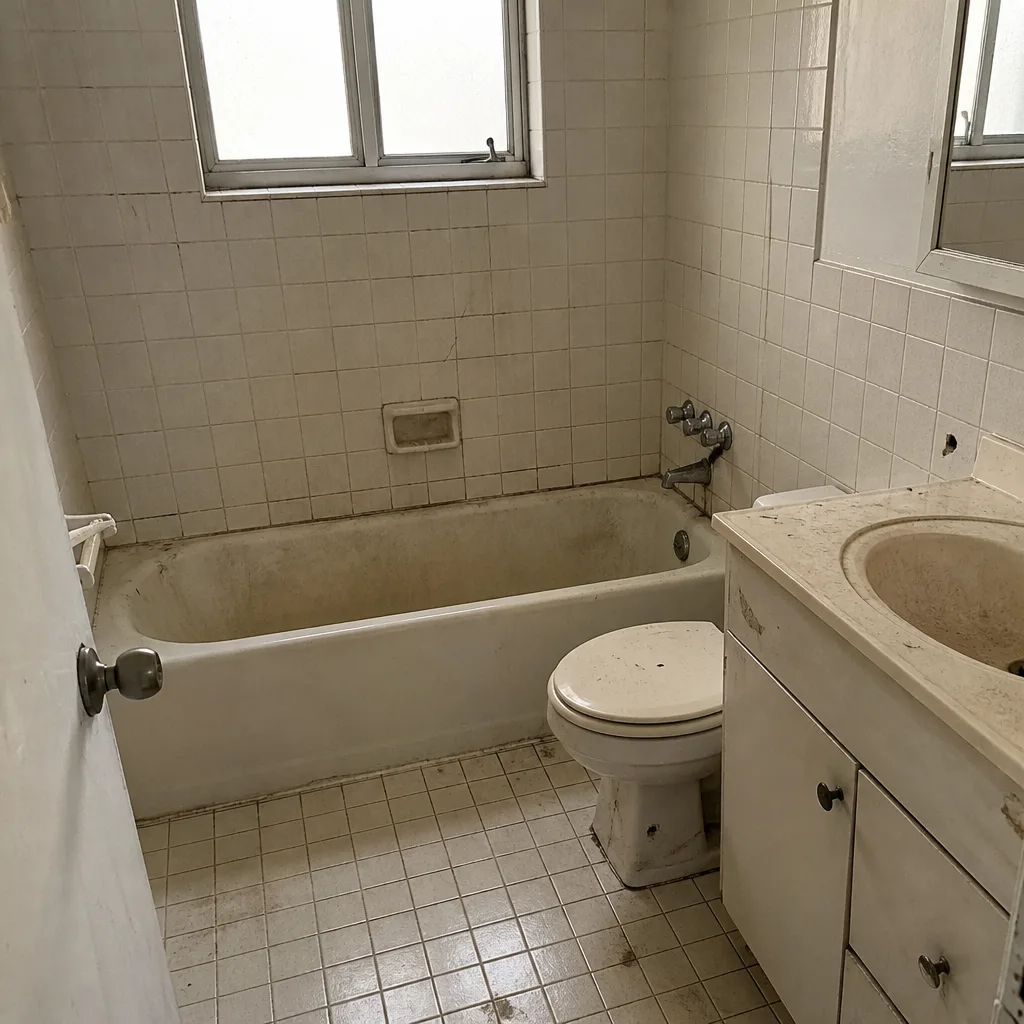 Before
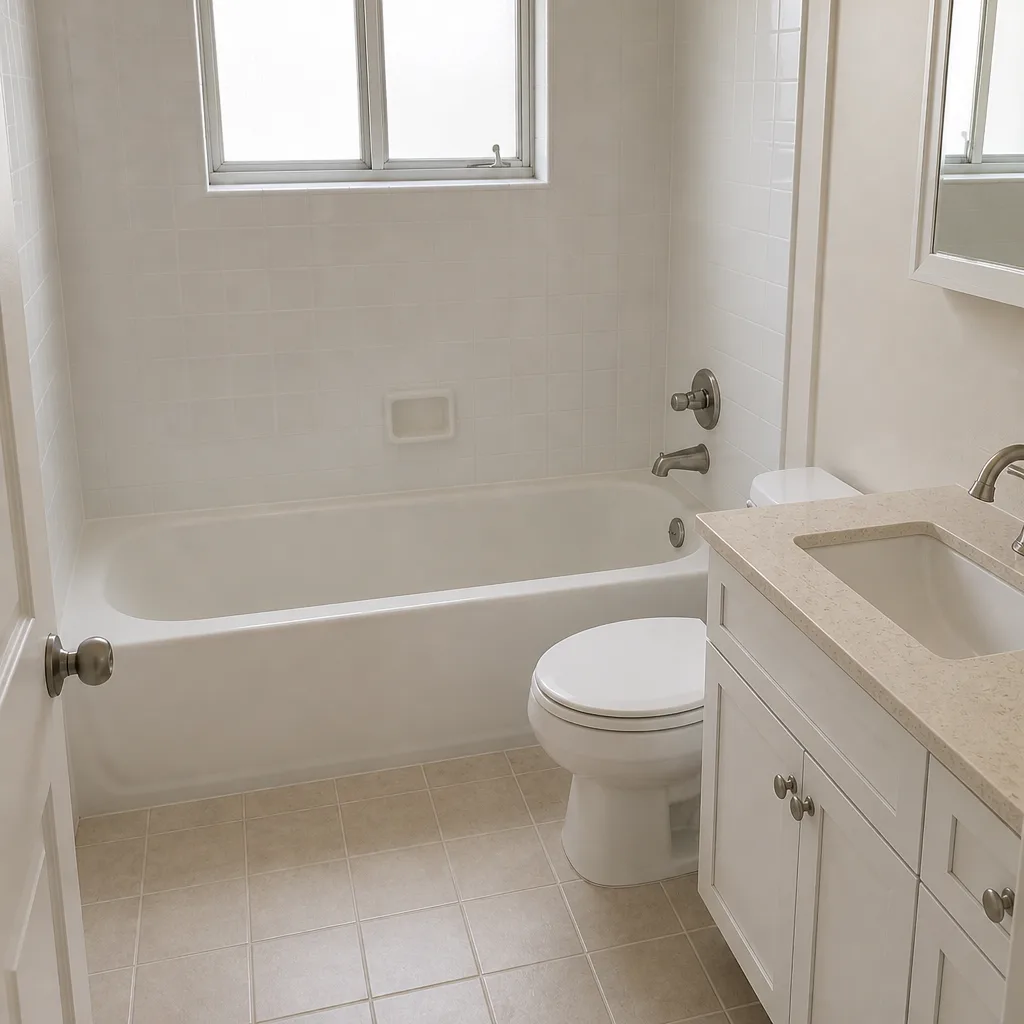 After
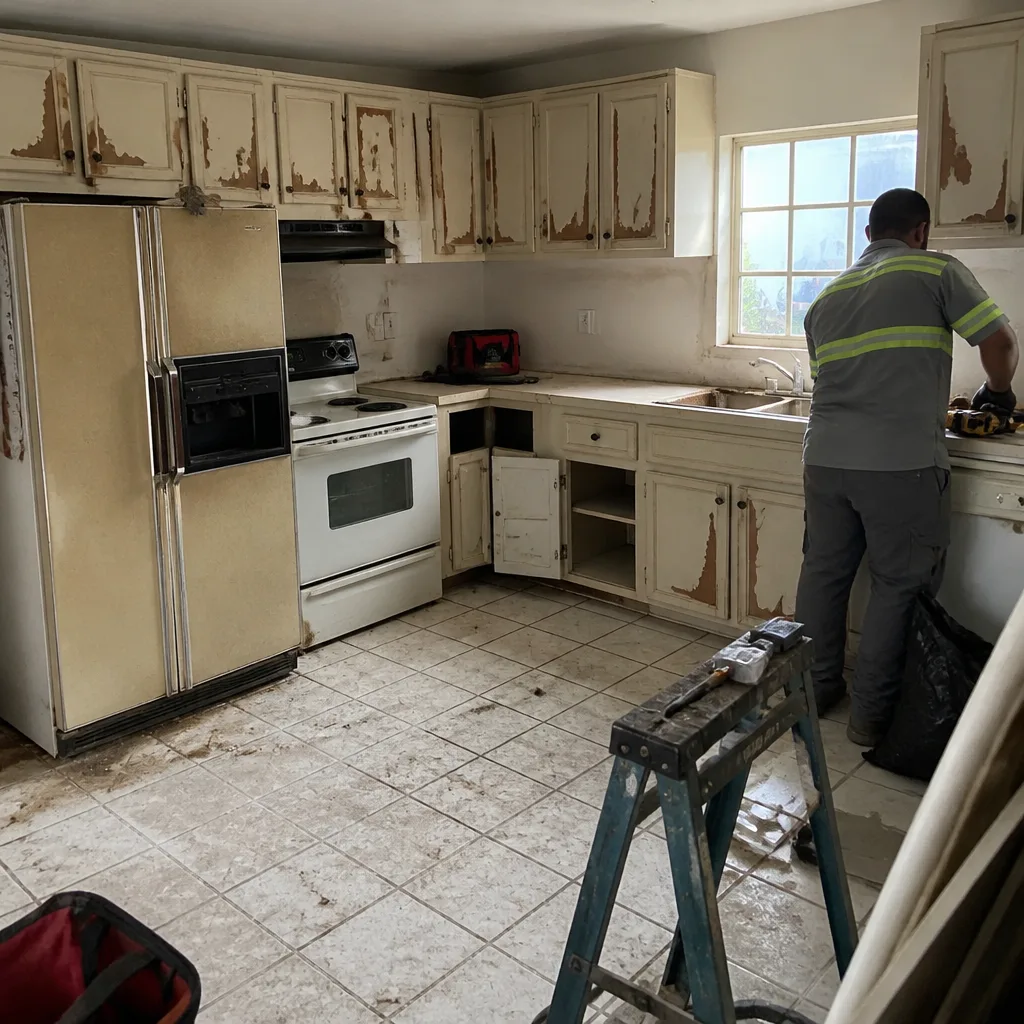 Before
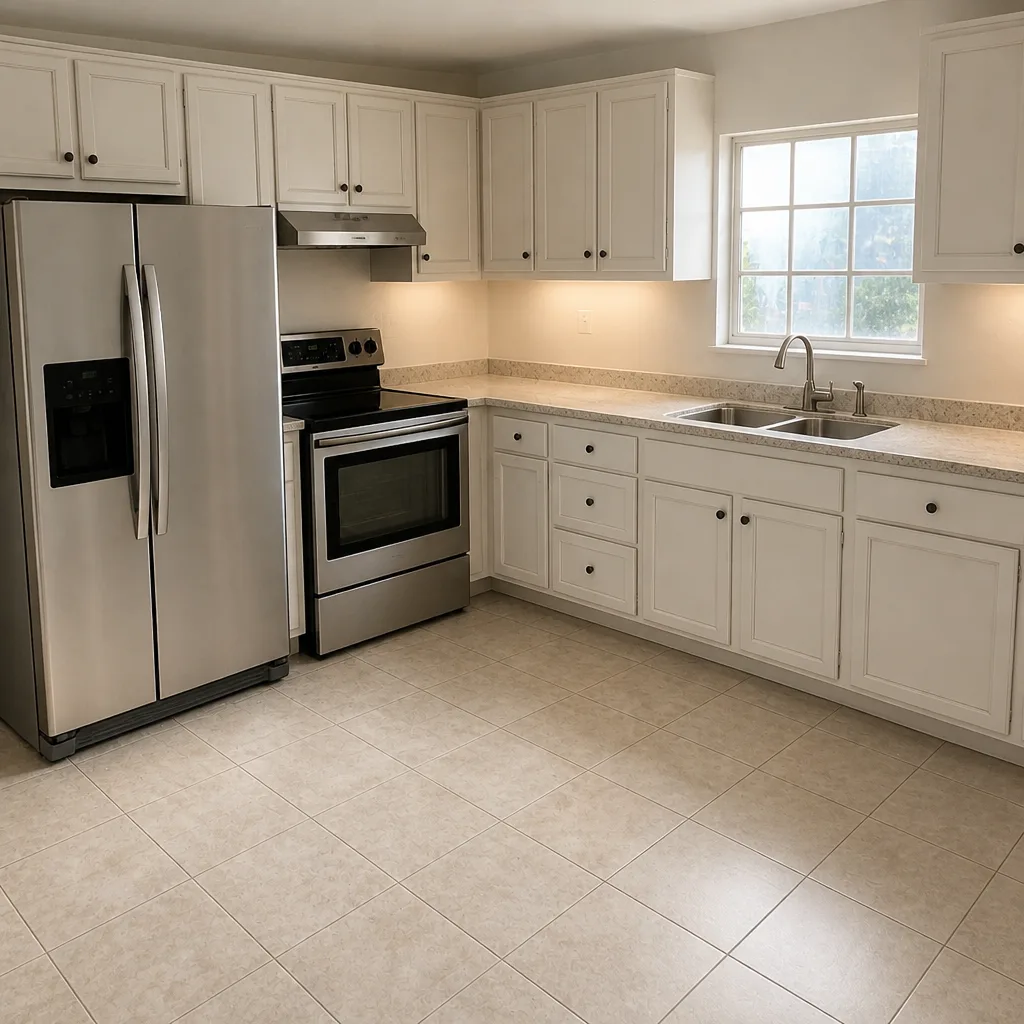 After
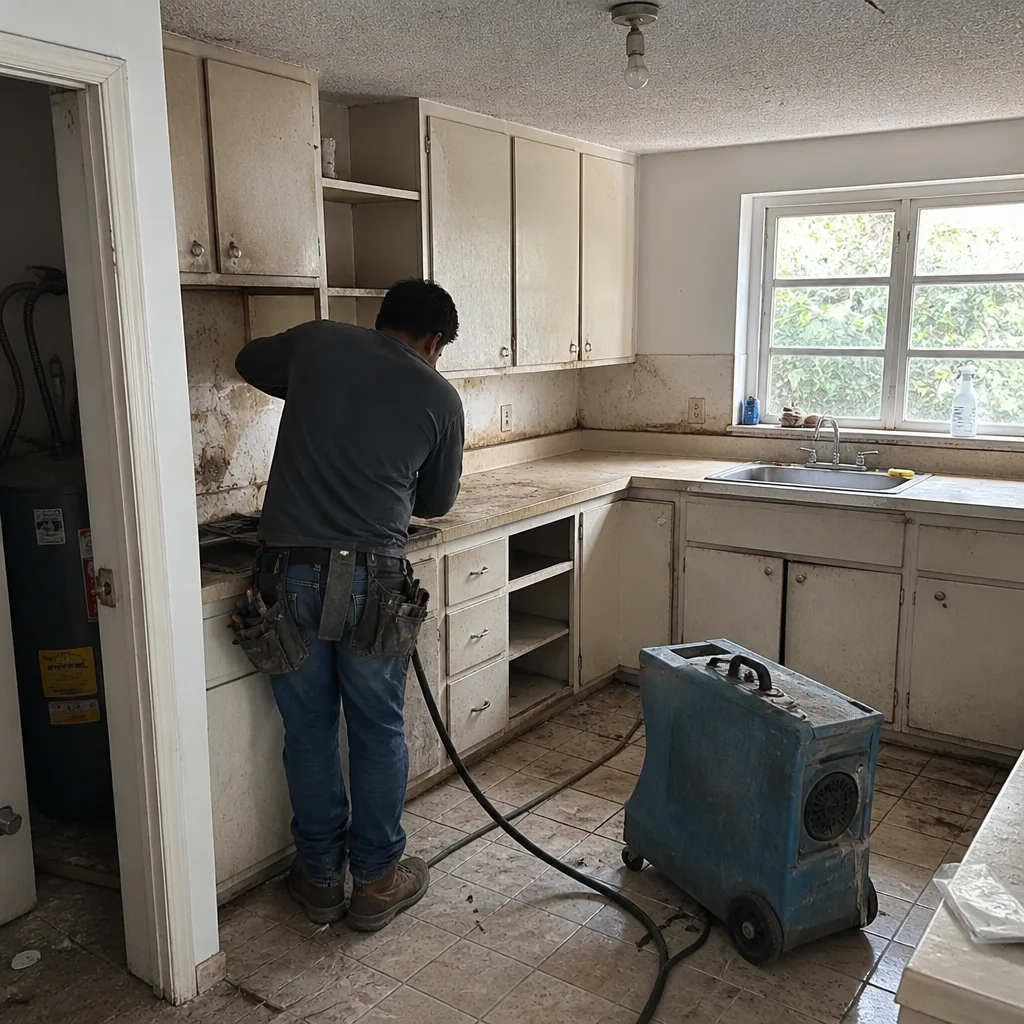 Before
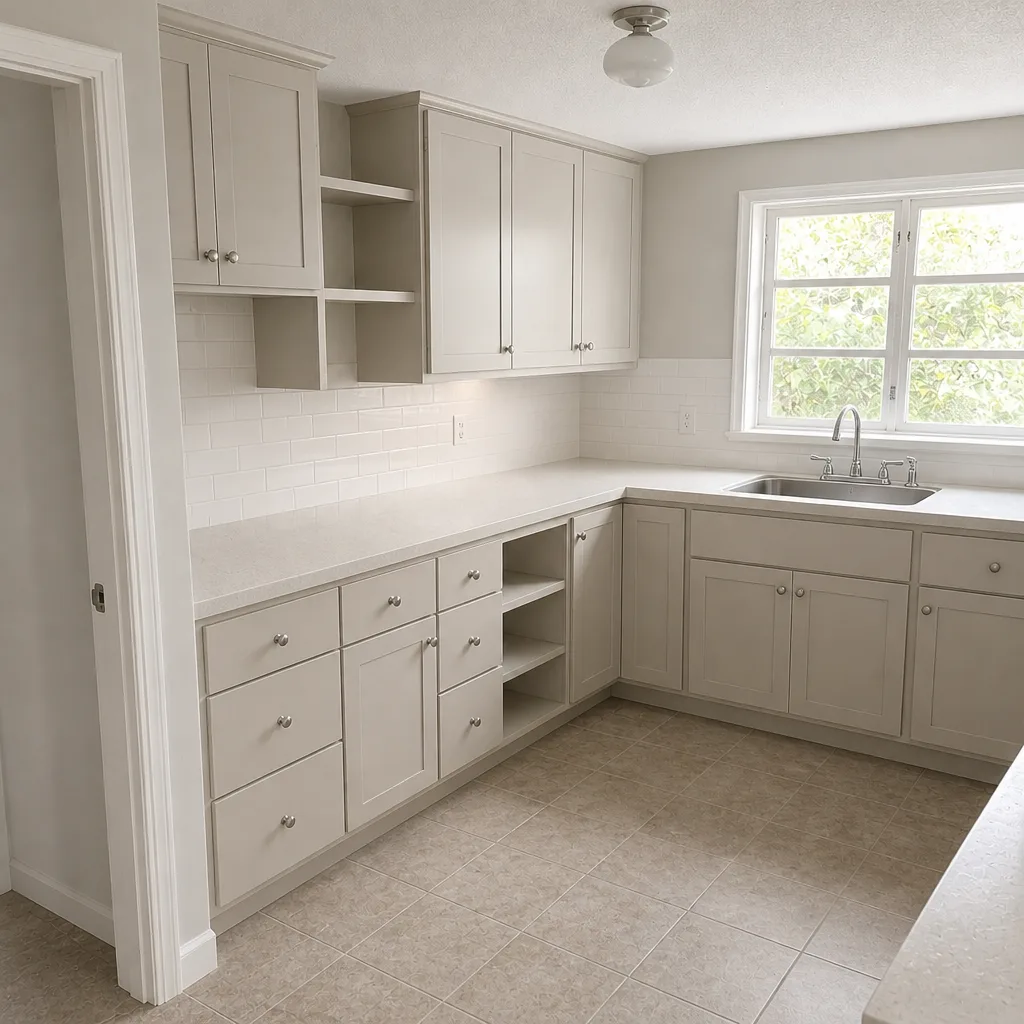 After
When to Call a Professional

Call a professional when the project involves any exterior product with an approval requirement, a roofing system in the HVHZ, or a permit that has to pass inspection. Call when you’re comparing brands and need someone who can read the database entries alongside you and translate them into a spec sheet. Call when a contractor’s estimate is verbal, changes after demo, or omits approval numbers entirely. And call us if you already have a cabinet or counter specification in hand and want to know what it will actually cost and whether the brand holds its approvals for your application.
Penhallow Remodeling Kendall offers free estimates in Kendall. Call (844) 560-5417 to schedule. A live person answers 24/7, so you’ll get a real answer, not a callback maze. We’ll give you a written price before any work starts, and a written guarantee on the work itself. Our technicians are background-checked and arrive in uniform, so you know who’s walking into your home.
Frequently Asked Questions
Yes, for permitted work that requires product approval. Miami-Dade requires an NOA or equivalent Florida Product Approval for products like impact windows, exterior doors, shutters, roofing systems and components, and certain structural items. A brand without approval for the application is not legal to install on that permitted scope, regardless of warranty or price.
Search the Miami-Dade product control approval database on the County website using the manufacturer name and product family. Open the result and confirm the approval is current, isn’t superseded, and covers the exact application (single-family residential window, roof system assembly, and so on). Bring the approval number to your contractor meeting, and ask them to show the same entry on their spec sheet. Call (844) 560-5417 if you’d like us to review the entry with you.
A manufacturer warranty covers defects in the product itself, often only when it’s installed per its written instructions. A workmanship guarantee covers the contractor’s labor: leaks at the seal, callbacks, rework. On a Penhallow Remodeling Kendall project, the work is covered by the 365-Day Done Right Promise, written into the contract, and the product is covered by the manufacturer on top. Both layers should be spelled out in the same document.
Only with a written change order and the same approval documentation as the original specification. In the High Velocity Hurricane Zone, roofing approvals are usually system approvals, so a substitute has to match the approved combination of membrane, underlayment, attachment method, and deck type, not just the tile line. Mixing components across approved systems can fail inspection or later warranty claims.
Cabinet and fixture brands aren’t governed by NOA approvals, so the deciding factor is local supply. A brand your contractor can source through an area dealer means faster lead time and faster replacements when a hinge, drawer, or faucet cartridge fails. KraftMaid, Wellborn, Cambria, Kohler, Moen, and similar brands have South Florida supply channels that make callbacks practical. If a brand only comes through one out-of-state seller, ask how a service call would work before you commit.
Roof systems in Kendall typically run $18,000 to $45,000 for a tile roof on a mid-size home, and impact windows run $500 to $1,400 per opening depending on size and rating. The number moves based on roof area, tile line, opening count, and DP rating. We put the full number in writing before any work starts, so the invoice matches the quote. Call (844) 560-5417 for a free written estimate.
The Bottom Line
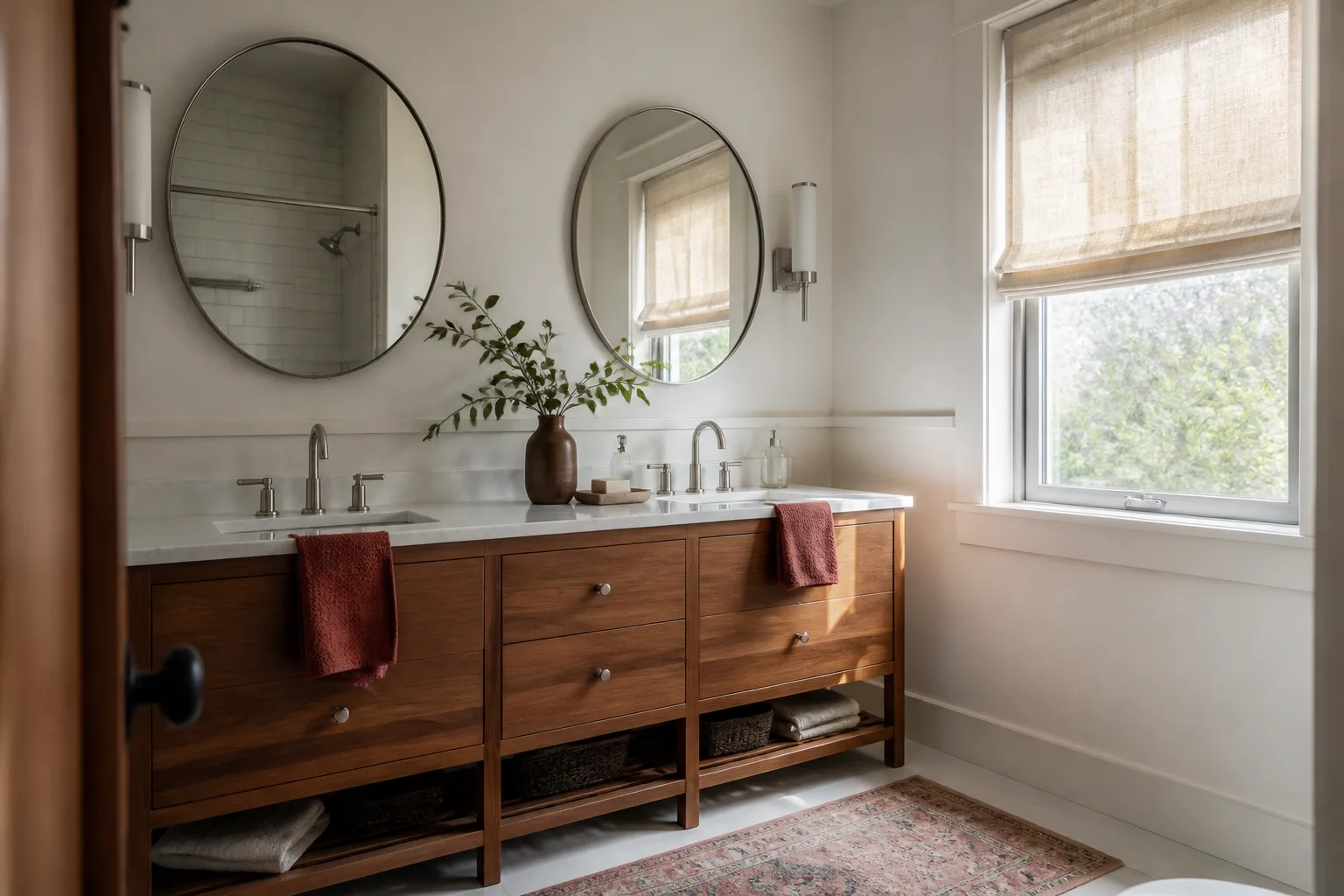
In Kendall, the brand decision is partly a code decision, and a good comparison chart won’t save a product that has no approval for its application. Check the Miami-Dade NOA first, confirm the approval covers the specific product and the way it’s installed, and then compare warranty, price, and appearance within the eligible group. Prefer brands your contractor can source through local supply, because the callback is where a brand’s reputation actually gets tested. And put the whole thing in writing, including substitutions. Materials for our own projects come from brands like KraftMaid, Cambria, Kohler, Moen, James Hardie, Belgard, and similar lines we can support locally, and where concrete or mortar products are part of the scope, they come through recognized suppliers like Quikrete and Sakrete.
If you’re remodeling a kitchen and want to walk through brand options and costs with someone who reads the database as a matter of routine, see our Kitchen Remodeling in Kendall page. For bathrooms, the same approval and sourcing logic applies to fixtures and finishes, and our Bathroom Remodeling in Kendall page covers what we spec and why. If the project is broader, our Penhallow Remodeling Kendall home page lays out the full scope of general contracting work we handle.
Call (844) 560-5417 for a free estimate. You’ll get a written price before any work starts, a written guarantee on the work, and a real person on the phone whenever you need one.
Written by the team at Penhallow Remodeling Kendall.