Last updated November 18, 2026







Free written scope consultation - allowances, timeline, and change-order rules on paper before a single trade is scheduled
Construction Permits, Codes & Inspections in FL: What You Need to Know
An unpermitted bathroom addition in Miami-Dade can end with a stop-work order, a demolition down to the studs so an inspector can see what’s behind the drywall, and a material defect you are legally obligated to disclose when you sell. All of it traces back to a contractor who said permits “just slow things down.” That single sentence has cost Kendall homeowners more money than any code update in the last decade. Florida’s permit system isn’t paperwork for its own sake. In this guide, we’ll walk you through which projects need a permit, how the county’s online portal works, why the product approval rules in the High Velocity Hurricane Zone are stricter than anywhere else in the country, and how to read your contract so a failed inspection doesn’t land on your bill.
Quick Answer
In Miami-Dade County, most structural, electrical, plumbing, and mechanical work requires a permit, including jobs homeowners often assume are exempt, like water heater replacements and window swaps. The county’s online portal lets you track inspection status without calling anyone, and every product installed in the High Velocity Hurricane Zone needs a Miami-Dade Notice of Acceptance. Understanding this process protects your resale value and your insurance claim; skipping it puts both at risk.
Styles & brands we work with
- Kitchen remodeling
- Bathroom remodeling
- Home additions & ADU
- Roofing
- Windows & doors
- Driveway & pavers
- Fence
Table of Contents
- Which Miami-Dade Projects Always Require a Permit
- How the Miami-Dade Online Portal Actually Works
- The HVHZ Product Approval Rule That Trips Up Kendall Homeowners
- What Happens During an Inspection (and After a Failed One)
- Certificate of Completion vs. Certificate of Occupancy
- How to Write Permit Language Into Your Contract
- Common Mistakes to Avoid
- Frequently Asked Questions
Which Miami-Dade Projects Always Require a Permit
The list is longer than most homeowners expect. Miami-Dade County requires a permit for nearly all work that touches the structure, the electrical system, the plumbing, or the building envelope. The surprise is in the small jobs. A water heater replacement isn’t a swap you do on a Saturday with a friend; it’s a permitted mechanical installation with a required inspection. The same goes for replacing a window, even if the opening stays the same size. If the unit is a different product with a new impact rating, the county wants to see its approval paperwork.
These projects require a permit in Miami-Dade:
- Any structural change, including removing a wall or enlarging a doorway
- Water heater replacement (tank or tankless)
- Window and door replacement, including like-for-like swaps
- Roof replacement or significant roof repair
- Electrical panel changes, new circuits, or rewiring
- Plumbing re-piping, new fixtures tied to new supply lines, or drain changes
- Kitchen and bathroom remodels that move plumbing, gas, or electrical
- Adding a bathroom, bedroom, or any conditioned square footage
- Pool installation, fence over the county height limit, and most screen enclosures
- Any work on a septic system or a change to the drainage
A few cosmetic jobs fall outside the permit line: painting, replacing a faucet or light fixture on an existing circuit, laying tile over an existing floor, and swapping cabinet fronts without moving anything behind the wall. When in doubt, call the county before you sign a contract. A five-minute question on a Tuesday beats a stop-work order on a Friday. We handle this step for every client, and it’s part of why a written scope comes before a written price on any general contractor in Kendall project we take on.
How the Miami-Dade Online Portal Actually Works
Miami-Dade County runs its permitting through an online portal that both contractors and homeowners can access. Your contractor files the application, uploads the plans, and schedules the inspections. You don’t have to. But you should know how to check the status, because a homeowner who tracks their own permit doesn’t get surprised by a lapsed inspection.
Here’s what you can see and do from the homeowner side:
- Application status. Search by address to see whether the permit is in review, approved, or issued. The portal shows the reviewer notes if the county sends the application back for revisions.
- Inspection history. Every scheduled inspection, its date, its outcome, and any failed items appear in the history. This is the record your insurance company will ask for.
- Scheduling. Most inspections can be requested directly through the portal, usually with a next-day or same-week window available.
- Final certificate. When the last inspection passes, the certificate of completion shows up in the portal, and you can download and keep it with your closing documents.
- Fees and balance. The fee summary shows what was paid and whether any re-inspection charges have been added. If a contractor tells you a failed inspection cost nothing, check the portal.
Use this to your advantage. Ask your contractor for the permit number on day one and keep it somewhere you’ll find it six months later. In Kendall, where so much of the housing stock was built between the 1970s and 1990s, we regularly see permit histories that don’t match the work. Being able to pull up the record yourself settles a lot of questions before they become arguments.
The HVHZ Product Approval Rule That Trips Up Kendall Homeowners
Miami-Dade sits inside the High Velocity Hurricane Zone (HVHZ), the strictest wind-loading zone in the United States. That designation isn’t just about how a product is installed. It’s about whether the product is legal to install at all. Every window, door, shutter, roof covering, and fastener used in the HVHZ must carry a current Miami-Dade Notice of Acceptance (NOA) or a Florida Product Approval. If it doesn’t, it cannot be permitted, which means it cannot be installed legally.
This is where a lot of homeowners get burned. A window model sold at a big-box store may be perfectly fine in Tampa. It may have no valid NOA for Miami-Dade. A roofing material sold as “hurricane rated” may meet a national standard but not the HVHZ one. Every roofing product we install, from GAF and CertainTeed systems to Owens Corning shingles, is checked against the current NOA list before it goes on a Kendall roof. The check takes two minutes. Skipping it can mean an inspector red-tags the whole job.
What this means for you:
- Ask for the NOA number for every window, door, or roof product before signing.
- Verify the number on the county’s product control database; it updates, and products expire.
- Confirm the NOA covers the specific installation method (that matters for roof fasteners and window anchoring).
- For a bathroom or kitchen remodel, a new exterior window is a product-approval item, not just a style choice.
If you’re planning a bathroom remodeling in Kendall project that touches a window, this step is non-negotiable. The county will reject the permit otherwise, and if the work gets done anyway, the notice of acceptance becomes an insurance problem years later.
What Happens During an Inspection (and After a Failed One)
An inspection in Miami-Dade is a walk-through of the work in progress by a county inspector. The number of inspections depends on the scope. A kitchen remodel might need a rough-in inspection (framing, plumbing, electrical before the walls close), then a final inspection after everything is finished. A roof replacement usually gets one inspection after the finished covering is on, sometimes two if the underlayment needs a separate look.
When an inspection fails, the inspector issues a written notice with the specific code item that failed. The contractor has a set window to fix it and call for a re-inspection. The county charges a re-inspection fee. This is where the contract matters.
A well-written contract makes four things clear:
- Who pays the re-inspection fee. It should be the contractor if the failure was caused by the contractor’s work. If the failure was caused by a homeowner change (like swapping a fixture after the permit was issued), the homeowner pays. That line should be in writing before work begins.
- Who is responsible for the corrective work. The contractor who pulled the permit, unless the contract says otherwise.
- How the failure gets documented. A copy of the failed notice and the fix should go to you, not just to the contractor’s file.
- Who handles the re-inspection scheduling. The contractor should be on the phone with the county the same day.
We write this language into the contract before the first day of work. On the Kingswell Guarantee side, if a repair fails within the 365-Day Done Right Promise, we come back and fix it at no charge, and the free return visit applies whether the failure came from our work or from a material defect. That’s not a sales line. It’s a written term. It’s how we run every project, from a full kitchen remodeling in Kendall down to a small repair, and it’s one of the reasons we push for the inspection to happen early and honestly rather than get skated past.
Certificate of Completion vs. Certificate of Occupancy
These two certificates are easy to confuse, and confusing them is where homeowners get surprised at resale time.
A Certificate of Completion (sometimes called a final inspection approval or “CO” in casual shorthand) confirms that the specific permitted work was completed and inspected to code. You get one for a kitchen remodel, a roof replacement, a water heater install, or a panel upgrade. This is the document your insurance company wants when you file a claim after a storm.
A Certificate of Occupancy applies to new construction or to a significant change of use, like converting a garage to a bedroom or adding conditioned square footage. It confirms that the structure is legally habitable. This is the document a title company will ask for at closing, and it’s the one that turns an unpermitted addition into a material defect disclosure.
Why it matters for insurance and resale:
- Most homeowner policies will reduce or deny a claim on work done without a permit and without a final inspection.
- Lenders and title companies require a certificate of occupancy for added square footage before they’ll close a sale.
- If a permit is open and never closed, the county may not issue a final inspection until the work is brought to code, which can mean demo.
- The Certificate of Completion should be kept with your closing documents; the portal keeps a copy, but you want one in your own file too.
If the home you’re buying or selling in Kendall has a permit history that ends mid-project, get it cleared before the closing table. It’s cheaper to fix than to negotiate over.
How to Write Permit Language Into Your Contract
Most permit problems aren’t really permit problems. They’re contract problems. If the contract is silent on who pulls the permit, who pays for re-inspections, and who handles a stop-work order, the homeowner usually eats the cost. Fix that before work starts, not after.
Here’s the language we build into every agreement, and what you should ask any contractor to include:
- Permits pulled by the contractor, in the contractor’s name. The permit must be pulled by the licensed professional doing the work, not by the homeowner. A homeowner who pulls the permit inherits the liability for the inspections.
- Permit fees itemized. The permit cost should be in the written price, not “billed later.”
- Re-inspection fee responsibility. Contractor pays if the failure is caused by the work; homeowner pays only if a homeowner change caused the failure.
- Final inspection certificate delivered to the homeowner. A copy of the Certificate of Completion goes to you before final payment.
- Stop-work order clause. If the county issues a stop-work order, the contractor is responsible for resolving it and the costs are explicitly assigned.
- Written price locked before work starts. On Penhallow projects, the written price is the number on the invoice. If a permit fee comes in higher than quoted, we cover the difference, not you.
We also recommend a documented pre-construction meeting with your contractor before the first permit is filed, so the scope and the code requirements get settled while things are still easy to change. An experienced technician will flag inspection items early. Our technicians carry up to 22 years of experience, and that shows up most clearly on the front end, when a plan review catches a problem before it becomes a re-inspection fee. If you want a sense of how a full project gets scoped start to finish, the Penhallow Remodeling Kendall home lays out the process.
Common Mistakes to Avoid
- Assuming the job is too small for a permit. Water heaters, window swaps, and new circuits all get permits. Skipping them means an insurance claim can be denied later, and the county can require demo to verify code compliance.
- Letting the homeowner pull the permit. It’s common, and it’s a mistake. The homeowner ends up liable for the inspections and the stop-work order, without the contractor’s license on the line. The licensed contractor pulls the permit.
- Installing a product without an HVHZ NOA. A “hurricane rated” window sold at a national retailer may not have a Miami-Dade Notice of Acceptance. If it doesn’t, the permit will be rejected and the install can’t happen legally.
- Signing a contract that’s silent on re-inspection fees. A failed inspection isn’t free. If the contract doesn’t say who pays, the homeowner generally does, and it’s not unusual for the fee to be passed along with a markup.
- Ignoring an open permit in the portal. An open permit from five years ago follows the home to closing. Check the permit history on any Kendall home you’re buying, and clear it before closing.
- Treating the inspection as the enemy. Inspectors catch things your contractor missed. A wall that will hold a heavy cabinet, a roof underlayment that isn’t sealed, an anchor pattern that doesn’t match the NOA. An inspection is a second set of trained eyes on the work.
- Forgetting the final certificate. Ask for the Certificate of Completion in writing and file it. If you ever sell, your buyer’s title company will ask for it.
See the difference
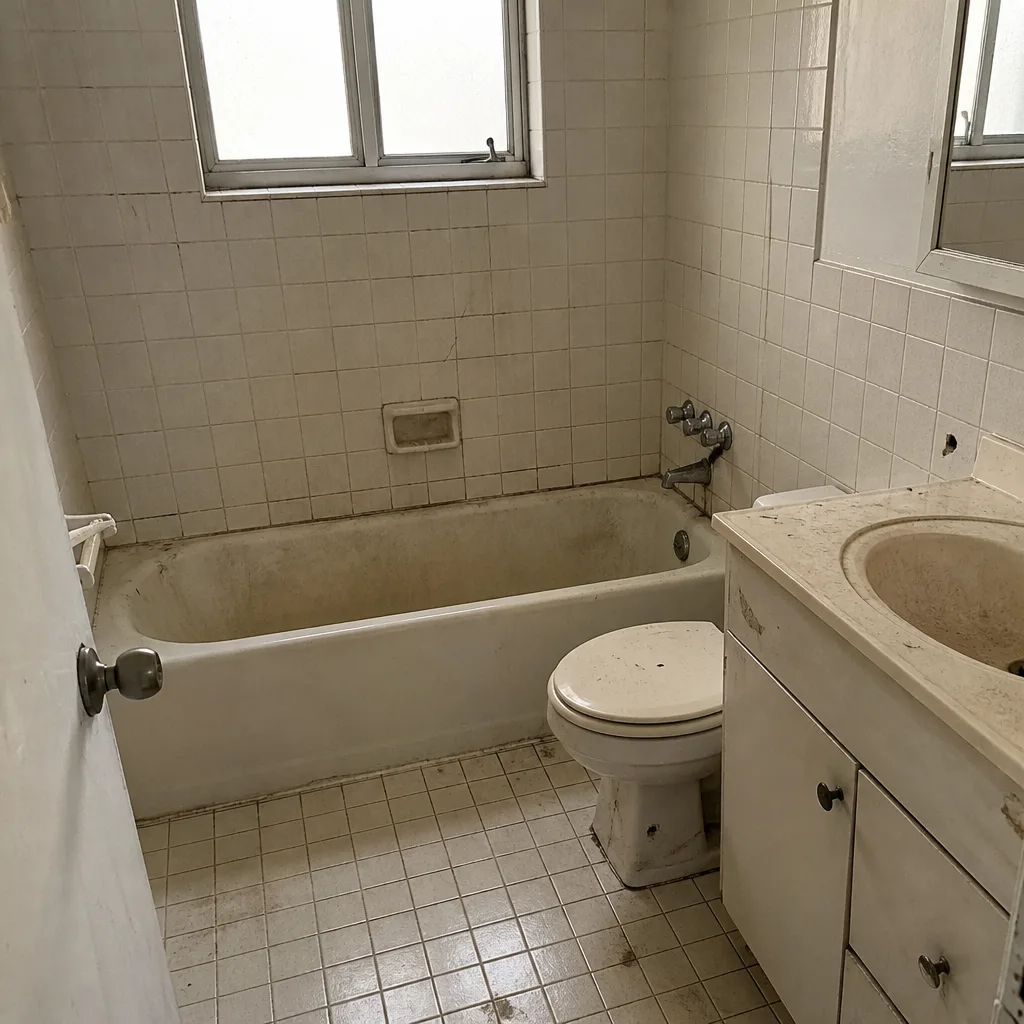 Before
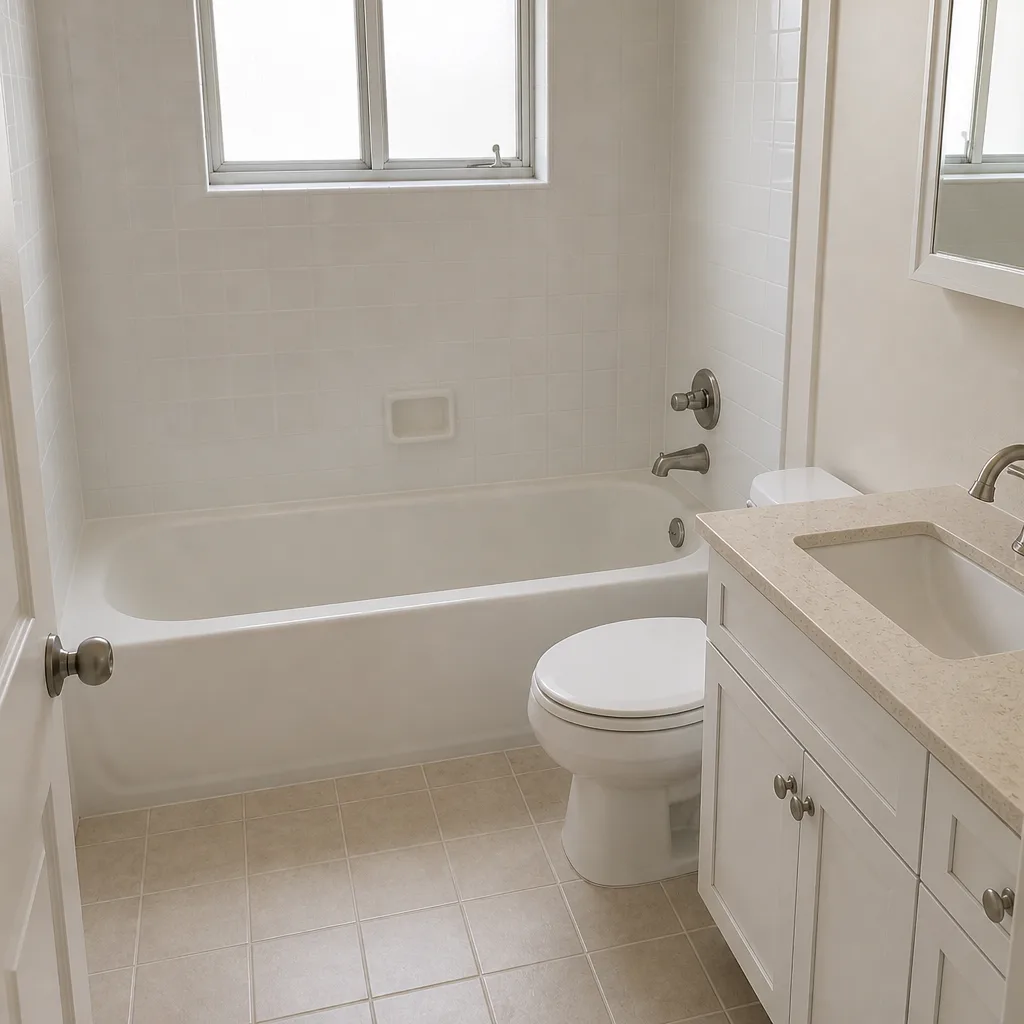 After
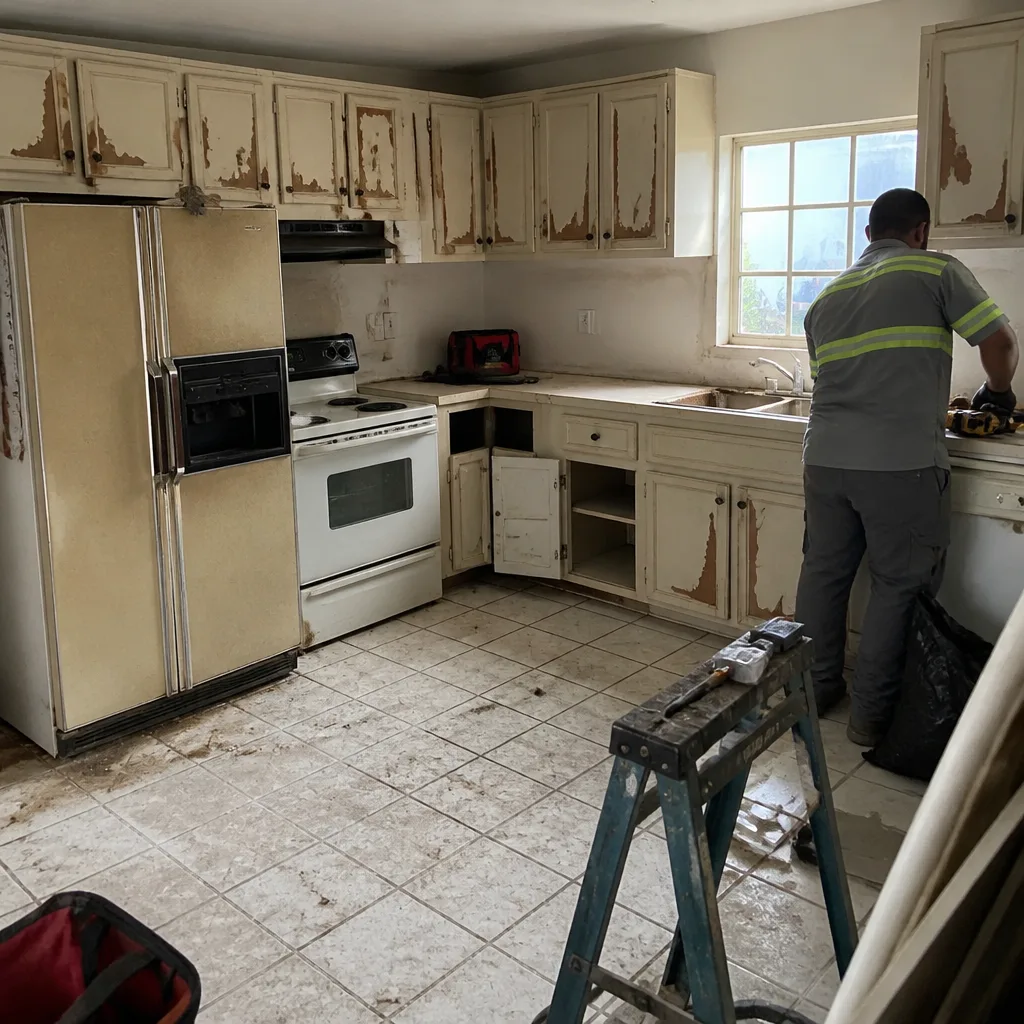 Before
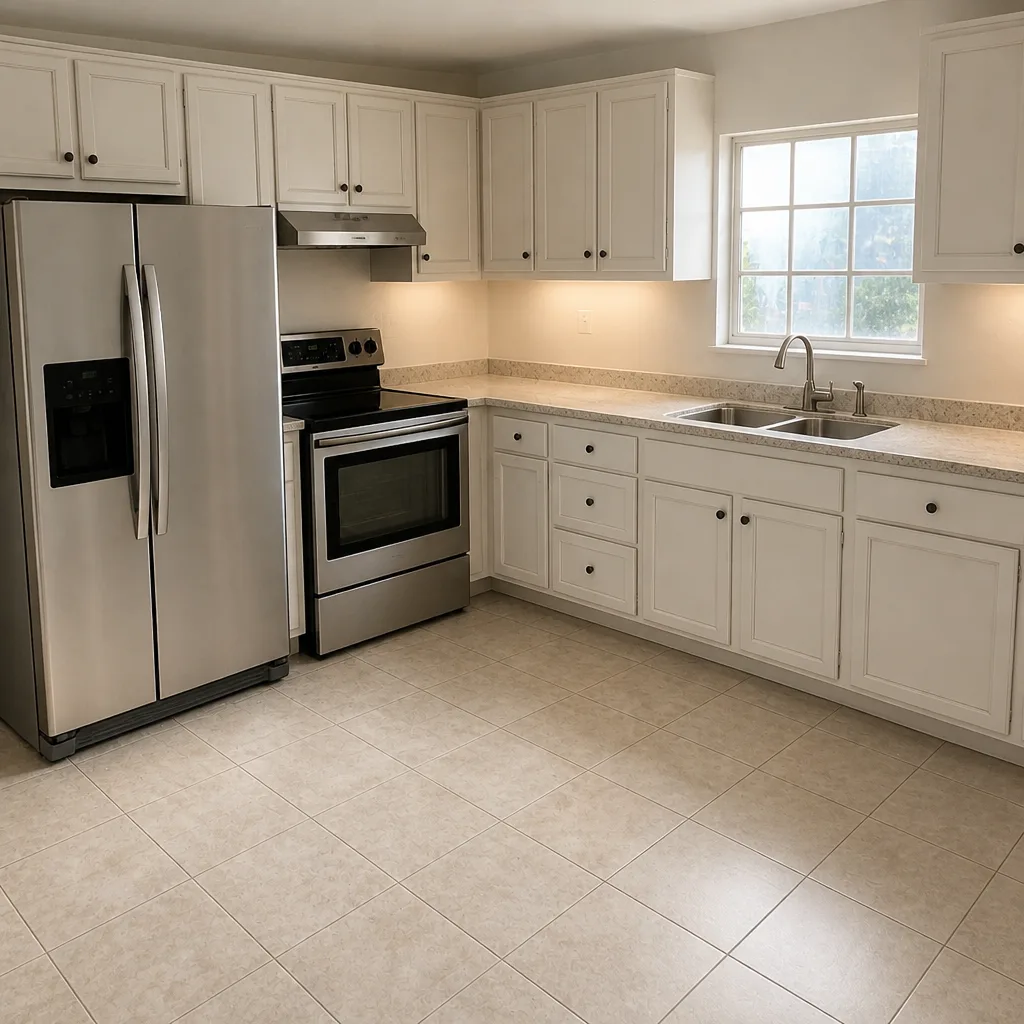 After
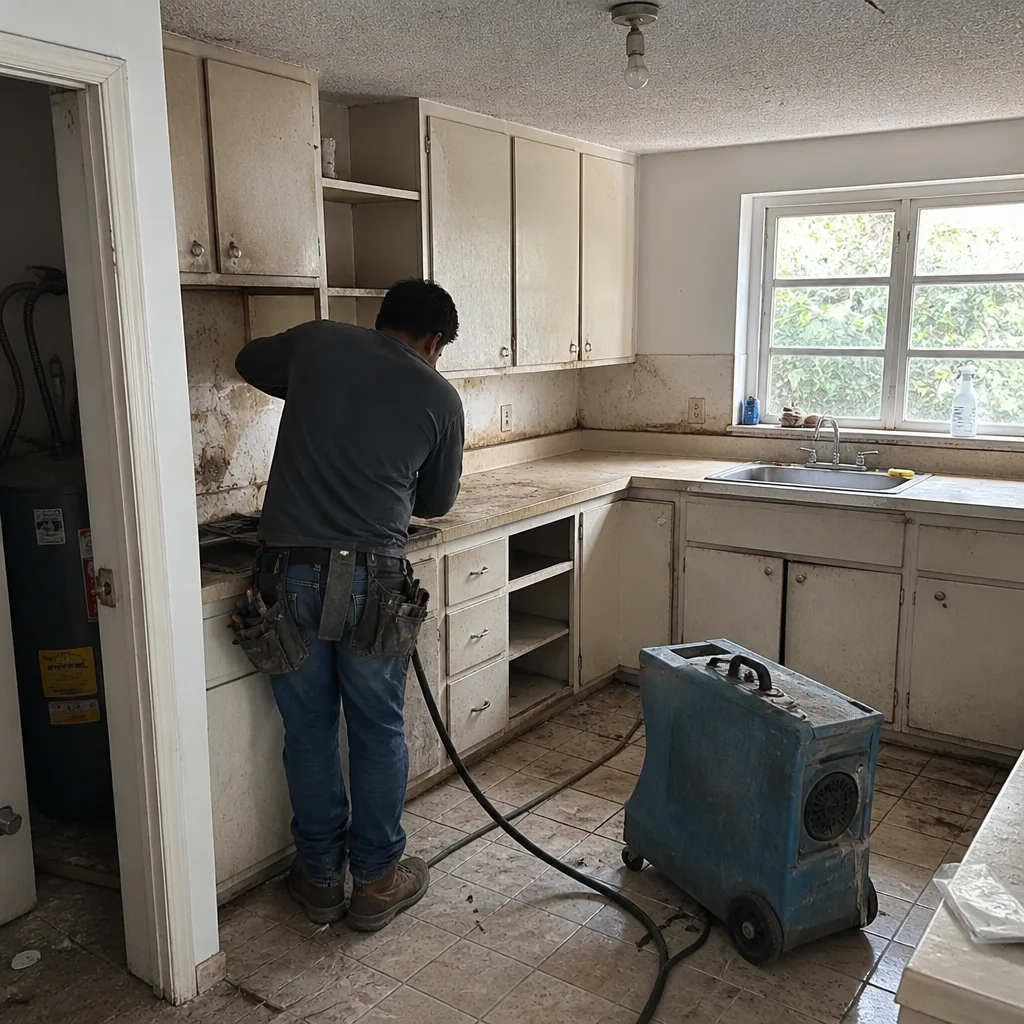 Before
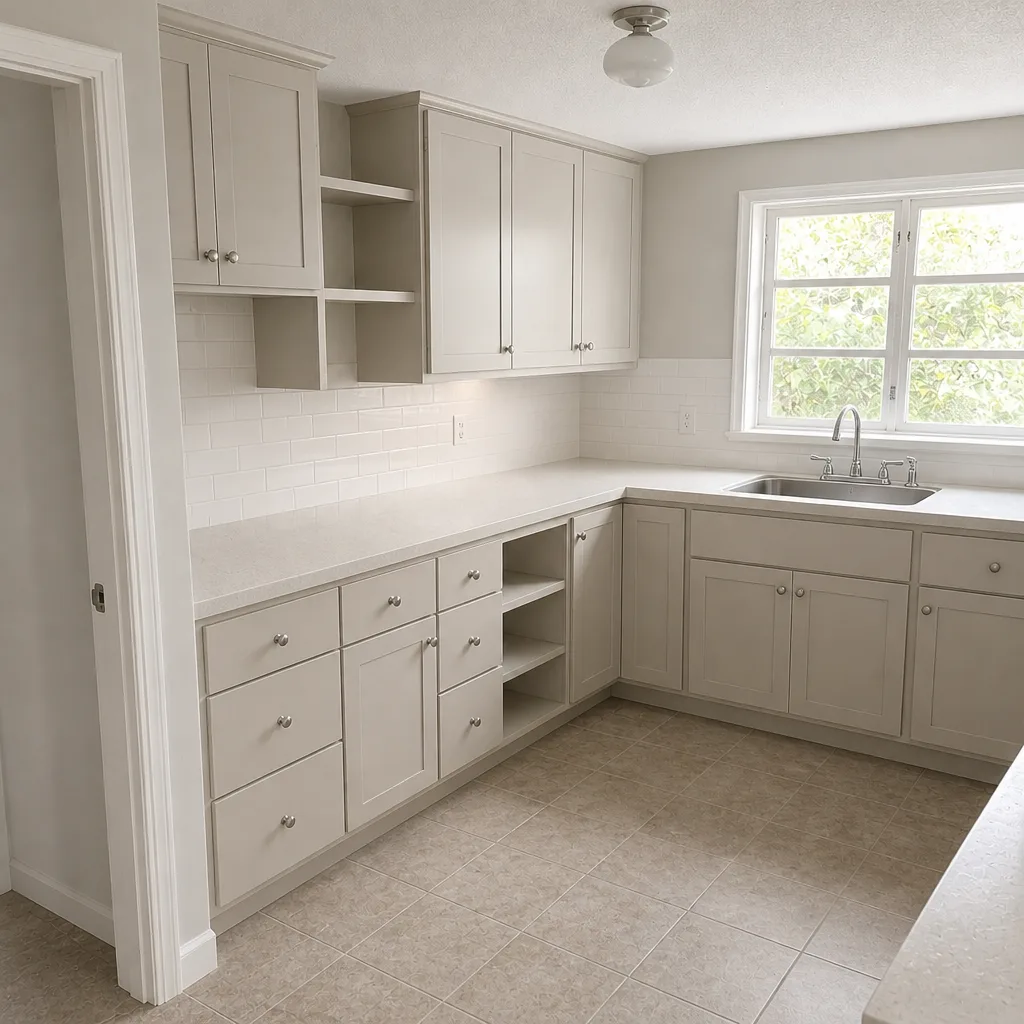 After
When to Call a Professional
Call a licensed professional for any work on the electrical system, the plumbing system, the gas line, the roof, or the building envelope, and for anything that changes the footprint or the conditioned square footage of your home. Permit paperwork is a licensed professional’s job, not a homeowner’s, and the inspection record follows the property, not the contractor. If a prior contractor left a permit open, or if a home you’re buying has work that doesn’t match the county record, this is the point where a general contractor sorts it out before closing. Penhallow Remodeling Kendall offers free estimates in Kendall, and every estimate comes with a written price and a written scope before work starts. Call (844) 560-5417 to schedule yours, and a live person will answer.
Frequently Asked Questions
Any work that touches the structure, the electrical, the plumbing, the mechanical systems, or the building envelope requires a permit in Miami-Dade, including water heater replacements, window swaps, roof work, electrical panel changes, and any remodel that moves plumbing or wiring. Cosmetic work like painting, re-tiling over an existing floor, and swapping a light fixture on an existing circuit typically doesn’t. When in doubt, call the county’s building department before signing a contract. We confirm permit requirements on every project estimate, so you’re not guessing.
A straightforward residential permit, like a water heater or a window swap, often clears review in a few business days. A larger scope, like a kitchen or bathroom remodel that involves plumbing, electrical, and structural changes, can run two to four weeks in review, and longer if the plans get returned for revisions. The best way to shorten the timeline is to submit a clean plan on the first try, which is where a contractor’s plan-review experience pays off. Call (844) 560-5417 for a written scope and timeline on your project.
An HVHZ product approval is a Miami-Dade Notice of Acceptance confirming that a window, door, shutter, roof covering, or fastener is legal for installation in the High Velocity Hurricane Zone. Kendall is inside that zone, so yes, you need one for any of those products. The NOA number should be on the product label and in the submittal package. Installing a product without current approval can get the permit rejected or the job red-tagged.
The party responsible for the code failure pays, and the contract should say so in writing. If the failure was caused by the contractor’s work, the contractor pays the re-inspection fee and the correction. If a homeowner change caused the failure, the homeowner pays. We put this language in every project agreement before work starts. Call (844) 560-5417 to see a sample agreement or to schedule a free estimate.
A Certificate of Completion covers completed work that didn’t change the structure’s use, like a kitchen remodel or a roof replacement. A Certificate of Occupancy is required when you add conditioned square footage or change the use of a space, like converting a garage to a bedroom. Both matter for insurance and resale. Your buyer’s title company will ask for the certificate that matches the work, and a missing certificate is a common reason a closing gets delayed.
Florida law requires you to disclose known material defects at sale, and unpermitted work qualifies. Buyers can also pull the permit history themselves, so the missing permit tends to surface during due diligence. The resolution usually means bringing the work to code, pulling the original permit retroactively, or negotiating a credit into the price. The cheapest time to fix it is before listing. Call (844) 560-5417 and we’ll walk through the permit history with you and quote the correction in writing.
The Bottom Line

The Miami-Dade permit system is a homeowner protection, not a contractor obstacle. A permit puts a licensed professional’s name on the work, an inspector’s trained eyes on the installation, and a certificate in your file that supports an insurance claim and a clean closing. The jobs homeowners assume are exempt, like water heaters and window swaps, are often the ones that need a permit most. The HVHZ rules in Kendall are stricter than anywhere else in Florida, and the product approval check is the single most common place a job gets red-tagged. Get the price in writing, get the permit number on day one, and keep the certificate. If a contractor says permits “just slow things down,” that’s your signal to call someone else. If you want a written price and a written guarantee before work starts, give us a call.
Ready to get a real number on your project? Call (844) 560-5417 for a free estimate from Penhallow Remodeling Kendall. A live person answers 24/7, technicians are background-checked and arrive in uniform, every project gets a written price before any work starts, and the 365-Day Done Right Promise is in writing on every job. Whether you’re planning a full kitchen, a bathroom refresh, or a larger remodel, we’ll walk the scope, confirm the permit requirements, and quote the price in writing so the number on day one is the number on the invoice.
Written by the team at Penhallow Remodeling Kendall.